 ParametrStudio
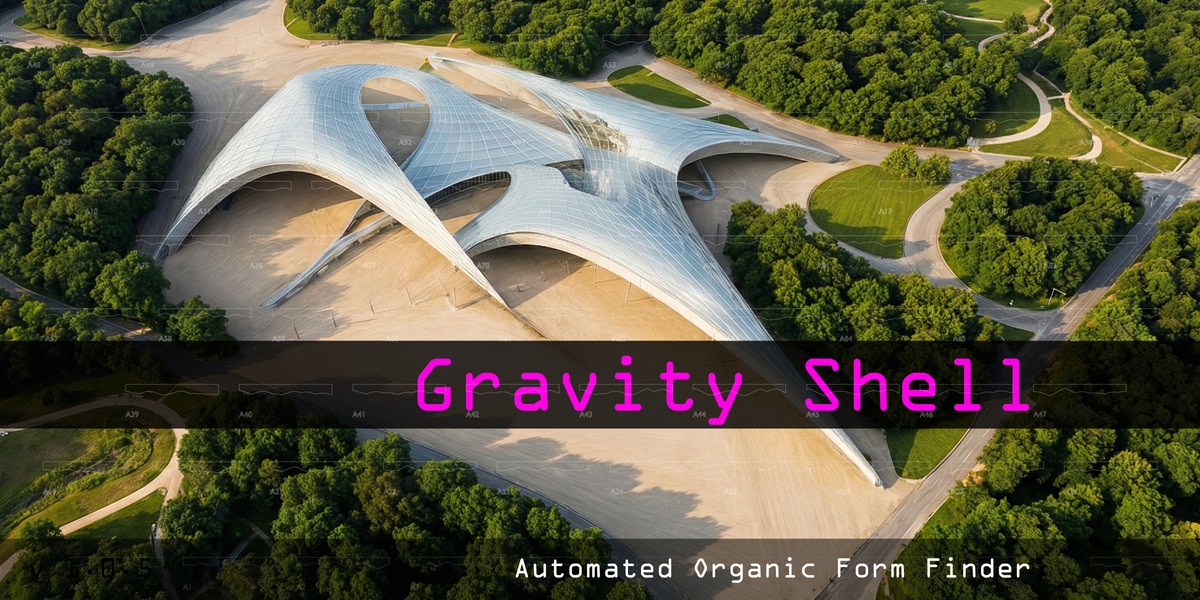


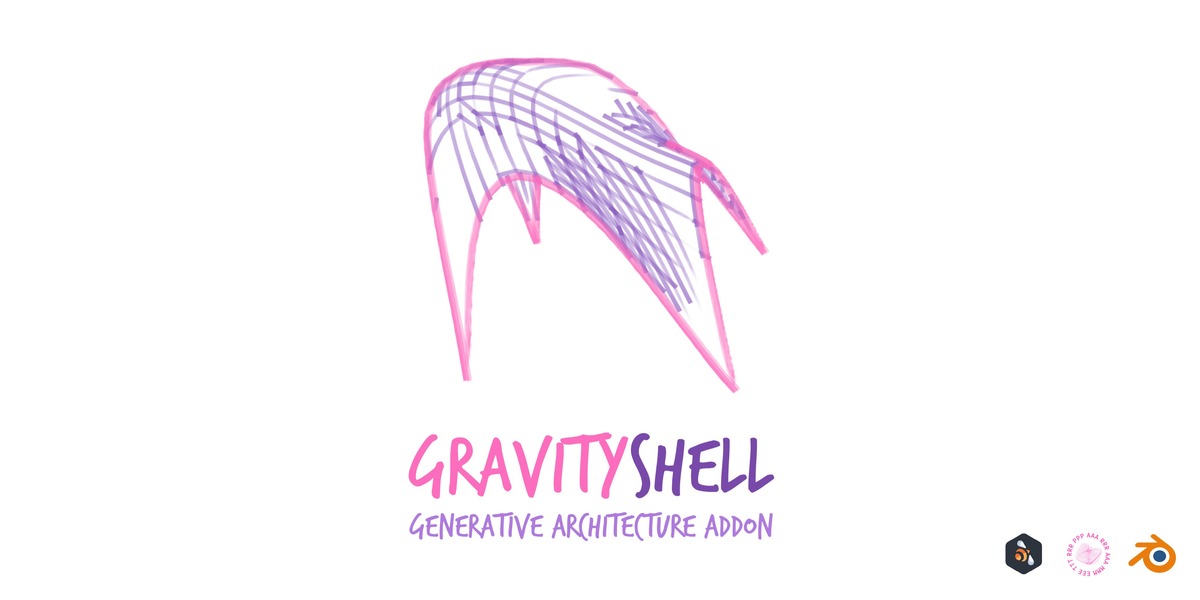

GRAVITYSHELL - GENERATIVE ARCHITECTURE ADD-ON
Design by forces.
Physically simulated surfaces for architecture in Blender.
A dynamic relaxation modeling tool. No coding required.
01 IDEA
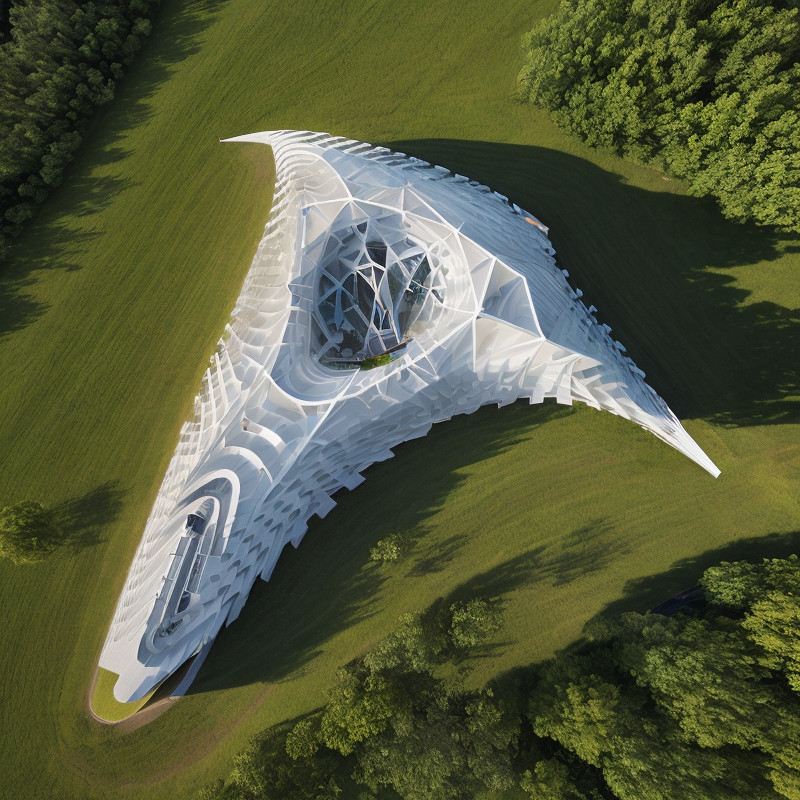
GravityShell generates surfaces shaped by physical forces, without any coding or scripting.
02 ABOUT
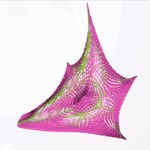
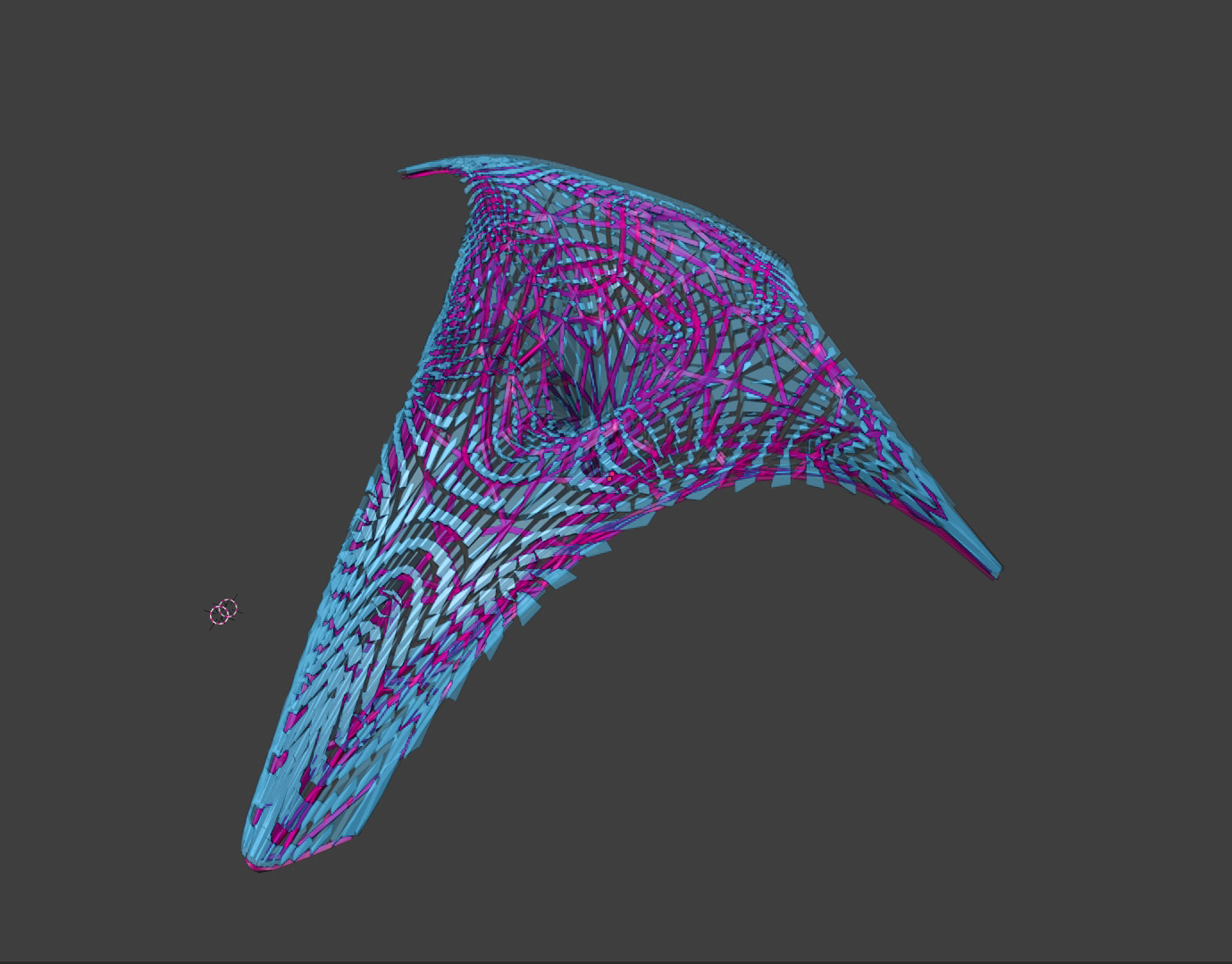
GravityShell is a modeling tool for complex geometric surfaces in Blender. It works mainly as a shape generator: it quickly produces organic surfaces derived from the forces acting inside the structure. Shapes found this way are visually distinctive and, in the real world, structurally efficient.
Upgrade your workflow: GravityShell is also available as part of the PARAMETRIC: Architectural Design Suite.
03 OPTIONS
A) Tensile structures
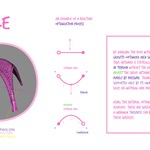
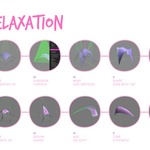
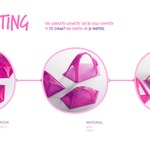
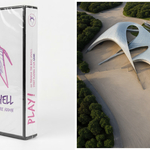
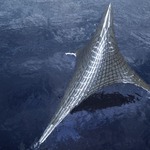
Relaxation leads towards minimal surfaces: surfaces with the smallest possible area for a given boundary. They are the basis of membrane and cable-net structures, where the material works in tension and can therefore be very thin.
B) Vaults
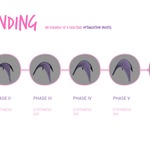
A hanging model turned upside down. The goal is a shell that carries its own weight mainly in compression, with as little bending as possible. Such forms can be thin and material-efficient, which reduces cost. The distinctive shape is an added value.


04 HOW IT WORKS
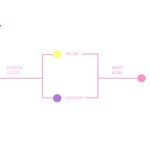
GravityShell does not perform a structural calculation. Relaxation and tension are approximated with a combination of tools already built into Blender. The add-on brings them together in one panel and simplifies the creation of shells and membrane structures.
The results are intended for the early design phase. In character, they are close to the output of dedicated form-finding software.

05 USE
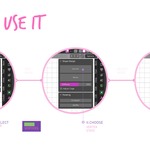
Quickly produce a large number of variants at the start of the design process, or test conceptual options for a given site. The resulting model can be prepared for 3D printing directly in Blender.
06 ARCHITECTURAL BACKGROUND
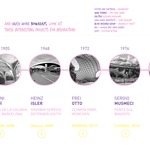
The same principles can be traced through the history of architecture: Antoni Gaudí (catenary arches and hanging models), Frei Otto (minimal surfaces and tensile structures) and Félix Candela (hyperbolic paraboloid shells). Today, digital form-finding and simulation-driven design appear in the work of Zaha Hadid Architects, Toyo Ito, BIG, Matsys, Fernando Romero and Marc Fornes / THEVERYMANY.
07 STORY BEHIND
During my architectural practice I took part in dozens of parametric design workshops. These forms are usually achieved either with hand-written code or with complex node systems in visual algorithmic editors, such as Grasshopper for Rhinoceros or Sverchok (Pulga Physics) for Blender.
GravityShell is meant for the first sketch of a design: a quick idea of the possibilities and potential of a structure, before it is generated from exact data in other software. I believe the tool can support creative thinking about a project, speed up the early phase considerably and lead to many unexpected variants.

08 DISCLAIMER
The add-on simulates physical behavior only approximately. It is not a structural calculation. The workflow is very fast compared to conventional form-finding methods, but the result is an approximation. For anything that is going to be built, consult a structural engineer.
09 SHARE
Feel free to share your work. We will be glad if you tag @parametrstudio on Instagram. Comments, suggestions and ideas for future development are welcome.
10 UPDATES
1.01 - Plates. New paneling system for generating facade cladding. Works in real time with live data.

11 ACKNOWLEDGEMENTS
The initial idea for the form-finding approach comes from a Blender class by Alessandro Zomparelli at MEAL Live Academy (2020). The add-on itself, its automation and the generative workflow were developed independently by Parametr Studio.