 3D Tudor


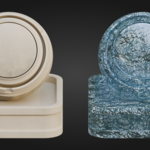
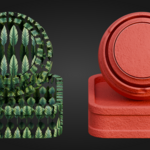
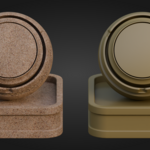
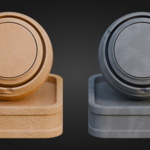
Arabian Shader Pack for Blender
A stylized, scene-coherent material library built for Arabian-inspired environment work in Blender.
Instead of behaving like a random bundle of swatches, this pack gives you a controlled set of materials built to work together across architecture, props, ground treatment, ornamental surfaces, foliage, glowing windows, and water.
Why This Pack Exists
Most shader packs look fine in isolation and then start to fall apart the moment you try to build a full scene with them. One material is too clean, another is too noisy, and another pulls far too much attention, so the whole environment starts to feel stitched together instead of designed.
That is the problem this pack was built to solve.
At a Glance
|
|
All textured materials include adjustable tiling, which makes the pack easier to scale across different asset sizes and scene roles inside Blender.
See the Pack in Action
Video overview showing the stylized Arabian material library and how the shaders behave inside a Blender environment workflow.
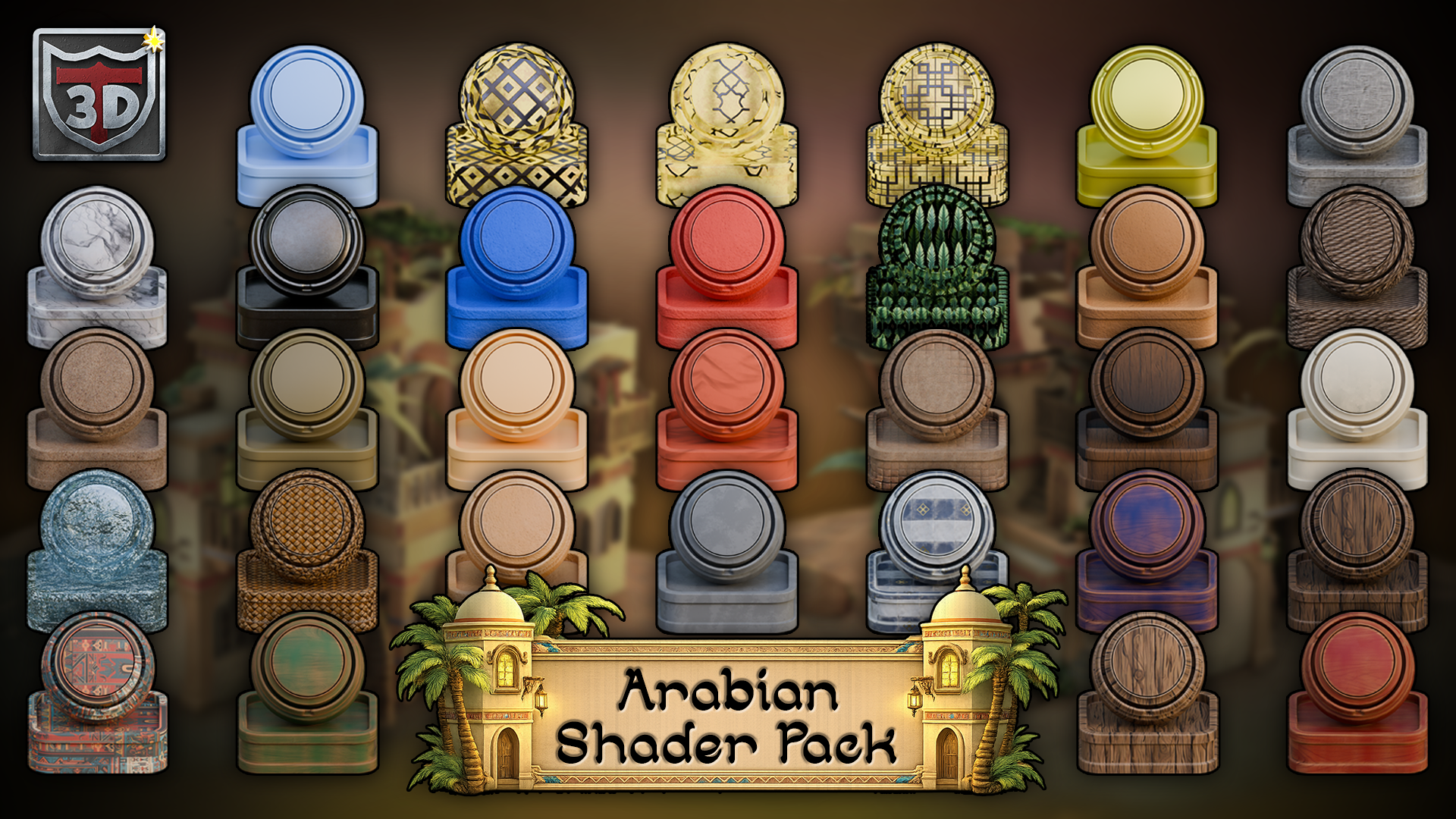
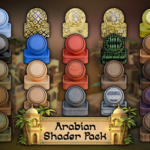
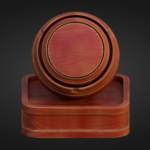
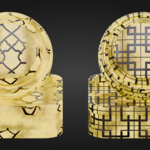
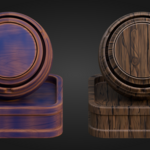
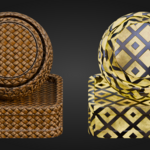
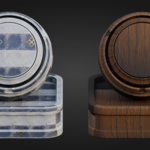
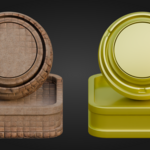
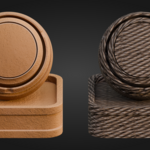
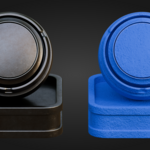
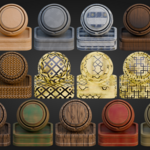
Hero render showing the full stylized Blender material library with woods, stone, woven surfaces, decorative ornament, foliage, tiled finishes, and scene-building shaders.
Built as a Controlled Scene Library
This pack is strongest when used the way a good scene library should be used. Some materials are deliberately simple for quieter support areas and blocking. Others are more layered and are designed to carry visual weight on beams, trims, doors, panels, courtyards, and focal props.
That balance is what helps a scene feel controlled rather than noisy. The value here is not just individual swatches. It is a material set built to behave coherently across a full stylized environment.
Material Coverage
|
|
A large part of the library also uses automatic edge wear, helping beams, trims, and architectural surfaces pick up more believable breakup without manual masking.
Key Features
|
Automatic edge wear
13 materials use edge wear so corners and edges pick up chipping, lightening, and breakup more naturally. |
Layered painted woods
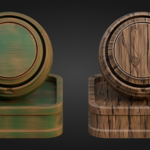
The painted wood materials are not flat colour swaps. Paint wears through to reveal timber beneath for stronger behaviour on trims, props, beams, and architectural accents. |
|
Displacement where it matters
Sand, rope, weave, and the floor material use displacement for real surface depth on the materials that benefit from it most. |
Emissive windows
Three window materials add quick interior glow and stronger mood support for buildings and scene edges. |
|
Alpha-cutout foliage
Palm Leaves includes transparency support for card-based foliage use. |
Procedural water
The water shader combines refraction, transparency, emission, noise-driven breakup, and displacement to avoid obvious texture repetition on larger surfaces. |
Node & Control Highlights
Floor shader: Red reveals stylized stone tiles through sand, Blue controls visibility, Green and Alpha remain free for custom use, and tiling, normal strength, plus displacement can all be adjusted for stronger or softer ground depth.
Water shader: Adjust water colour, control wave scale through procedural noise and Musgrave values, tune transparency and refraction, and change glow plus displacement for calmer or more active water surfaces.
Edge-wear materials: Wear amount, tiling, and breakup can be adjusted to suit cleaner props or more weathered architecture.
Standout Workflow Feature
The floor shader is the standout workflow material in the pack.
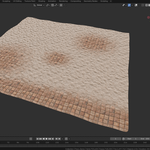
It lets you paint directly onto the mesh in Blender to reveal stylized stone tiles through sand in real time. Blue controls visibility, Red controls the sand-to-tile blend, and Green plus Alpha remain free for custom use. That makes it especially useful for courtyards, walkways, thresholds, and larger ground planes where one flat surface quickly becomes dull.
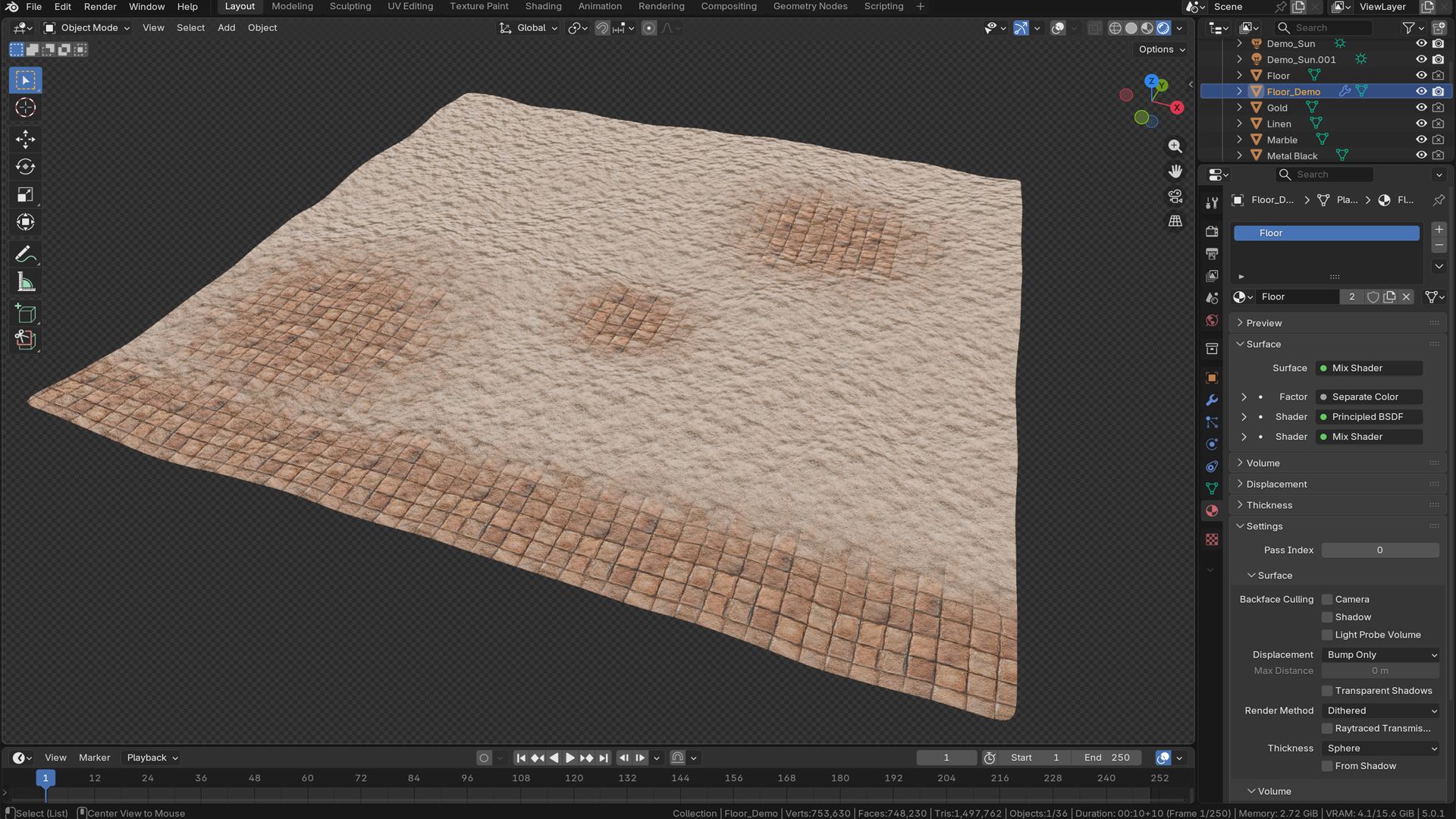
Rendered viewport demo of the floor shader, where Red reveals stylized stone tiles through sand, Blue controls visibility, and Green plus Alpha stay free for custom use.
Scene Support & Reuse
This pack does not stop at object surfacing. Emissive windows, alpha foliage, ground blending, adjustable tiling, and procedural water extend the material system into atmosphere and scene support. That is what makes it more useful for actual Blender environment building rather than just isolated shader previews.
It also works best when treated like a controlled Blender material library rather than a challenge to use every material at once. Simpler materials keep quieter areas under control, while the more layered shaders are better used on focal architecture, entrances, trims, and hero props.
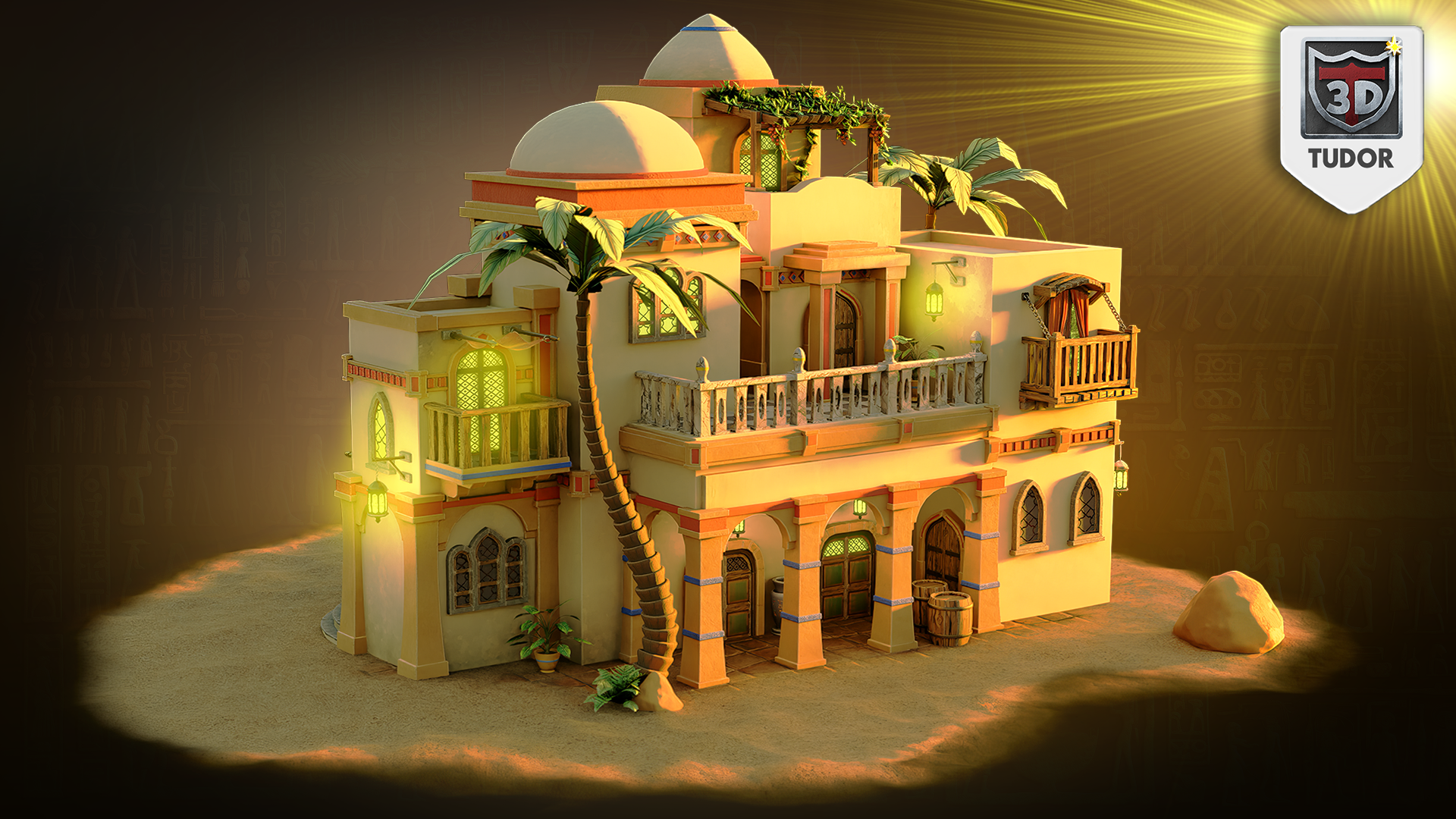
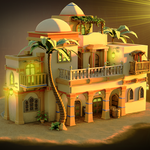
Applied Blender environment render showing the Arabian Shader Pack in use across plaster walls, trim, rooftops, ground surfaces, doors, balconies, and palm-framed architectural details.
Where It Fits Best
|
|
Ready to build more coherent Arabian-inspired scenes in Blender?
If you want a stylized Blender material pack for architecture, props, courtyards, trims, foliage, and water, this gives you a far more controlled starting point than mixing unrelated shaders from different sources.