Haseeb Ahmed


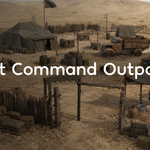
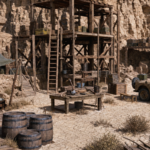
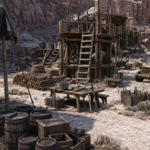
Desert Command Outpost Kit - 3D Asset Pack
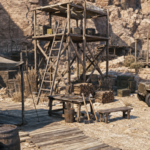
A comprehensive, modular 3D asset pack designed for constructing rugged desert outposts, military encampments, and wasteland settlements. This kit provides everything needed to build highly detailed, lived-in environments ranging from frontline defensive positions to remote archaeological dig sites.
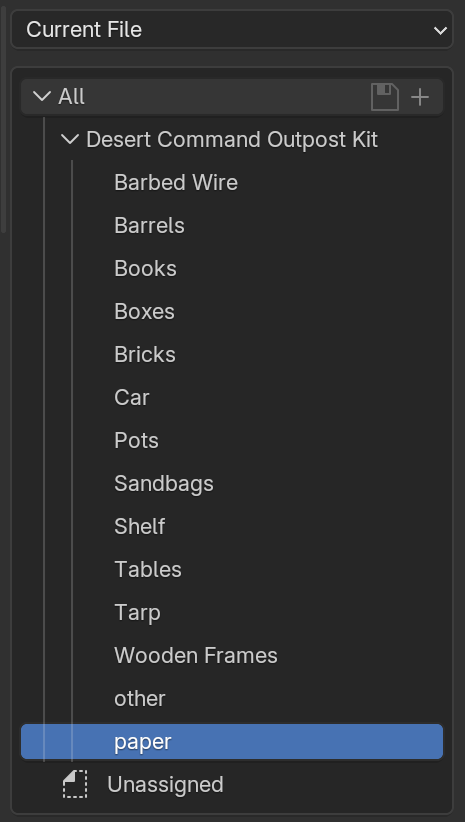
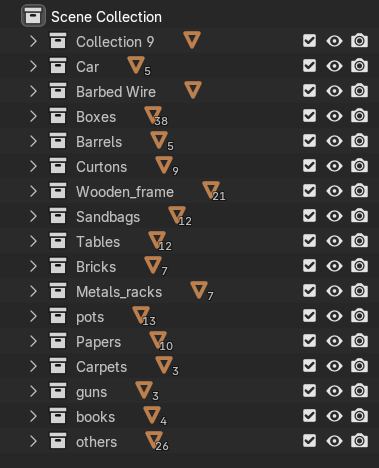
Asset Categories Included:
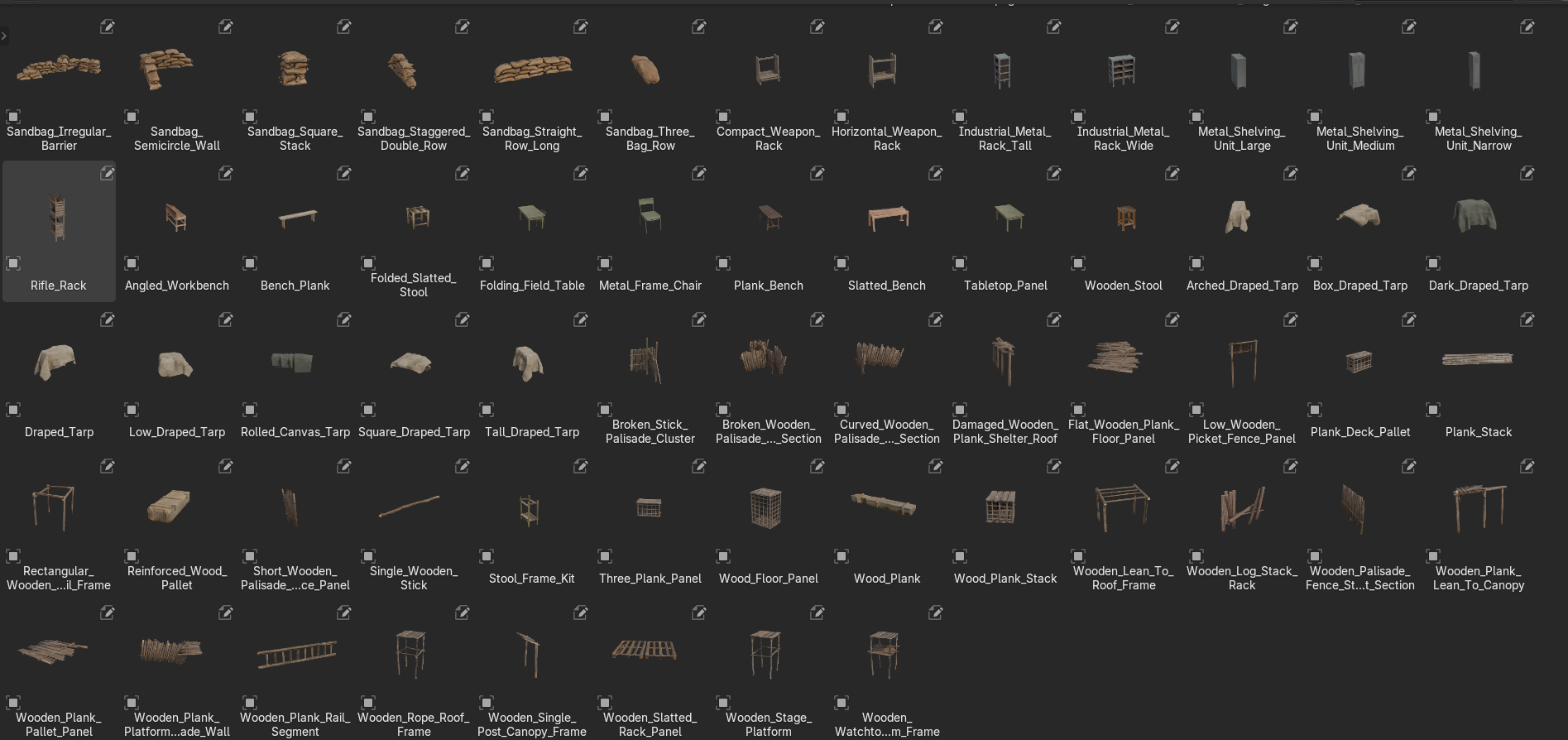
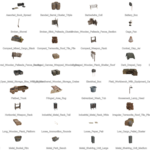
Modular Structures & Fences: Watchtower frames, wooden stage platforms, palisade fences, plank rails, canvas canopies, and lean-to roofs for custom camp layouts.
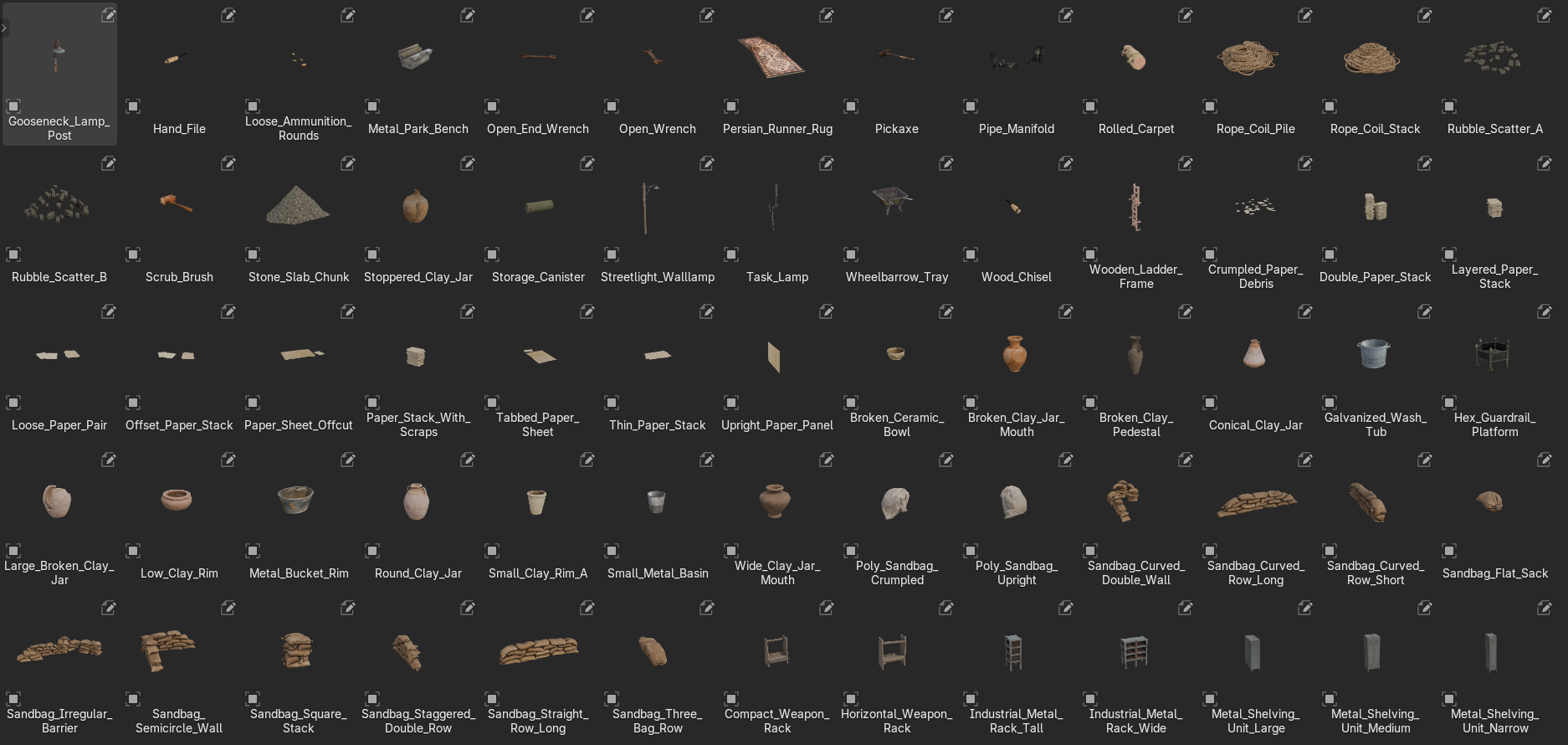
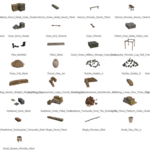
Defensive Emplacements: An extensive variety of sandbag formations (curved walls, irregular barriers, staggered rows) and barbed wire coils.
Vehicles & Machinery: Desert military jeeps (intact and destroyed), a flatbed truck, a tracked tank, and a trailer generator.
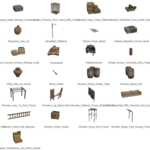
Cargo & Logistics: Dozens of variations of wooden crates, banded barrels, reinforced pallets, military cases, pipe bundles, and tape-record cargo stacks.
Camp Furniture & Equipment: Folding field tables, angled workbenches, metal shelving, slatted stools, weapon racks (with rifles and shotguns), and lighting fixtures.
Tools & Scatter Detail: Hand tools (pickaxes, wrenches, chisels), open books, scattered paper documents, rope coils, broken clay jars, terracotta tiles, and rubble debris for realistic environmental storytelling.
Ideal For: Survival games, historical military shooters, post-apocalyptic RPGs, and cinematic desert environment renders.
Technical Specifications & Limitations
Poly Count & Usage: Please note that the assets in this pack are low poly models optimised for performance in large-scale game environments and distant rendering. Because of the lower geometric complexity and texture resolution, these models are generally not suitable for close-up, highly realistic scenes or macro-photography renders. They are best utilised as mid ground and background elements, or in games with stylised or heavily optimised art directions.
AI Usage Disclosure:
Please note that these 3D models are 100% hand-crafted. No generative AI was used to create the geometry or topology of the assets themselves.
AI tools were strictly utilized as an assistive workflow companion for:
Organization: Brainstorming object names to keep the asset library tidy.
Technical Assistance: Providing guidance and troubleshooting steps for developing specific complex materials.
Concept Inspiration: Generating 2D mood boards and scene concepts, which were then manually recreated in Blender to produce the promotional renders you see here