 Solaris Core — MHD-INT
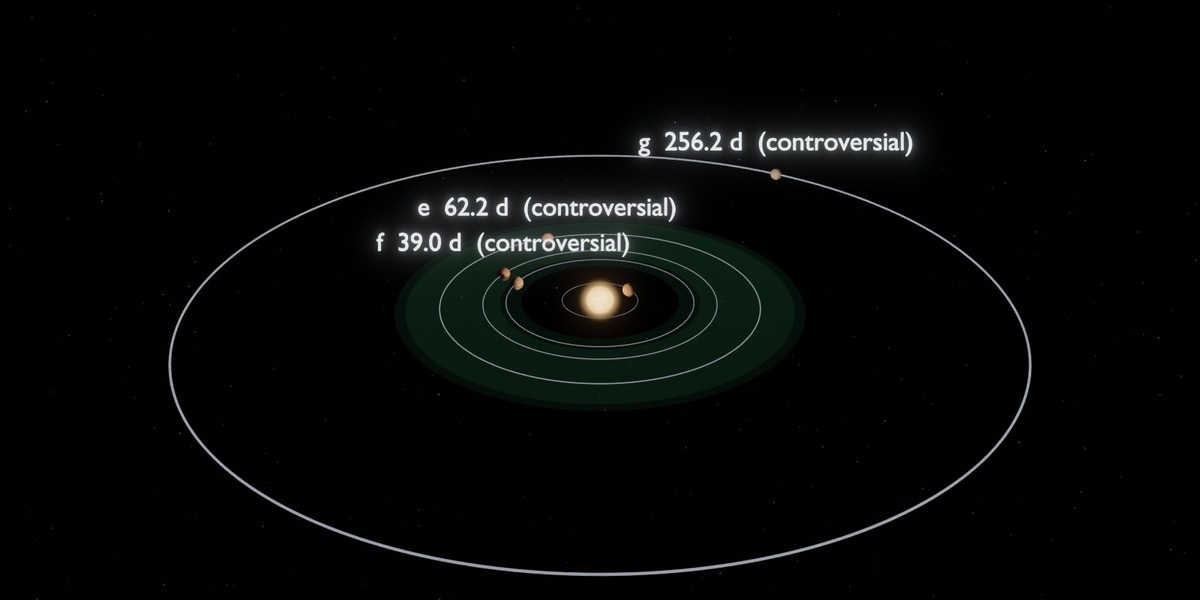
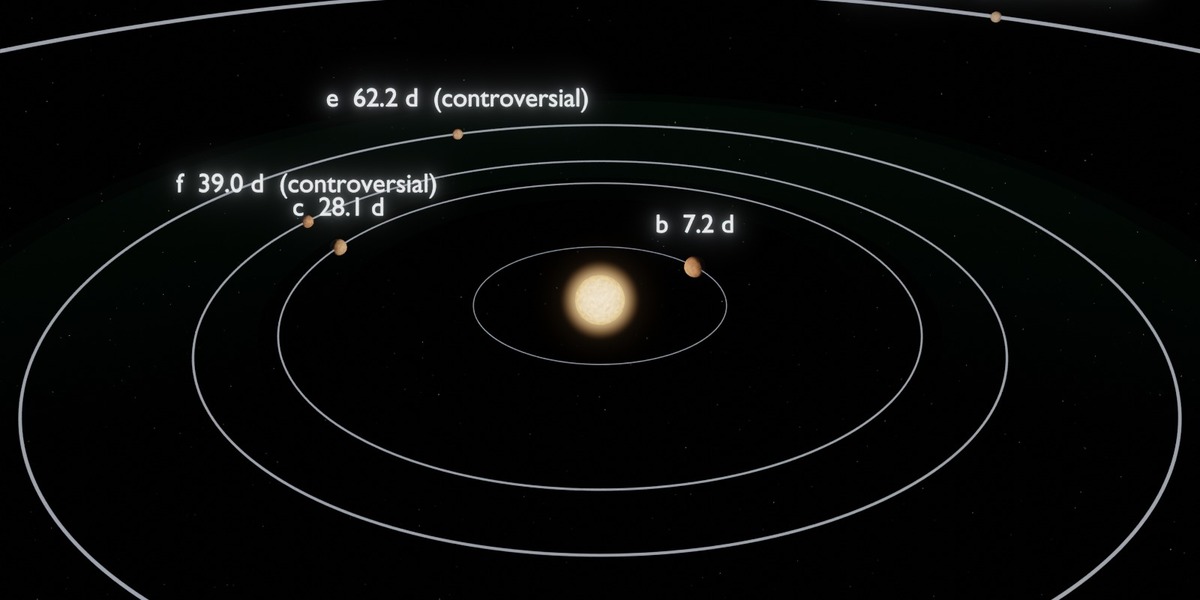
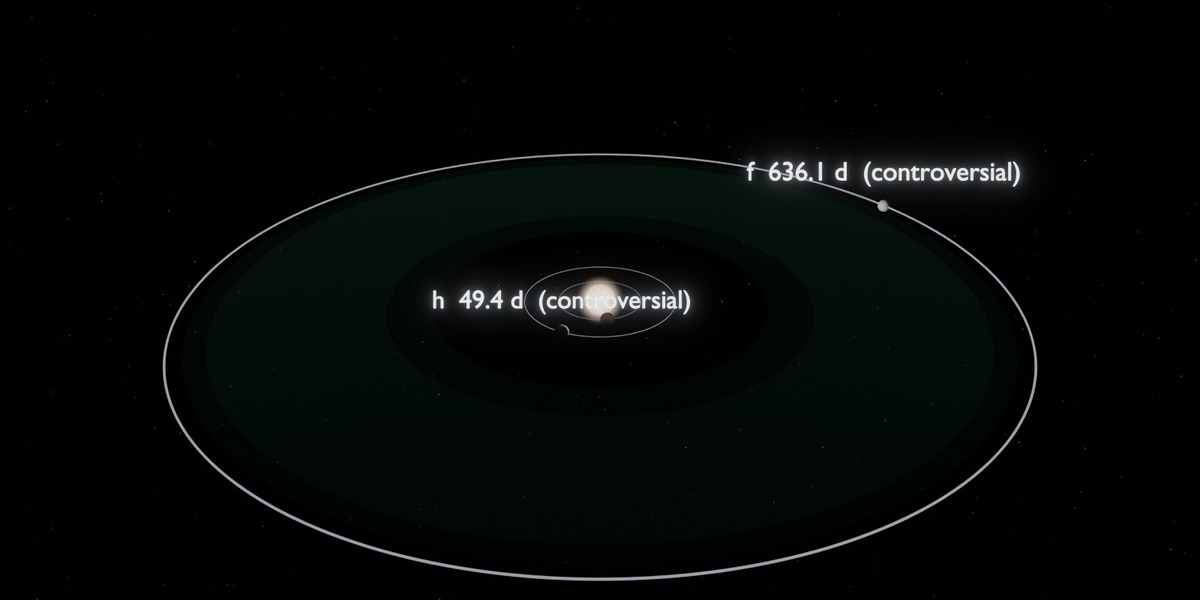
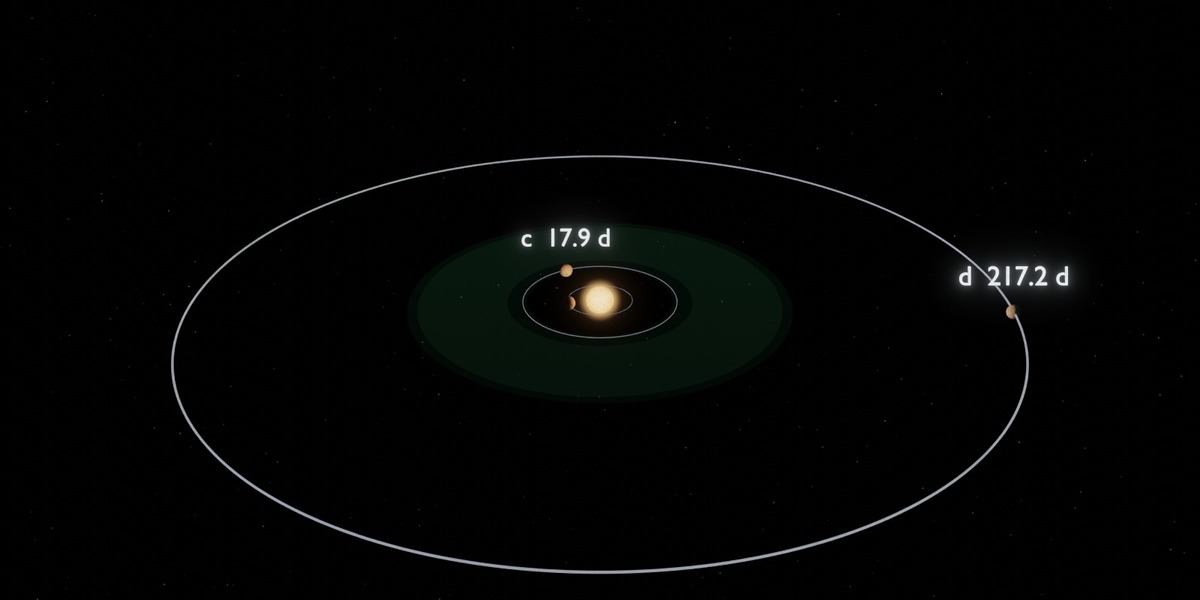
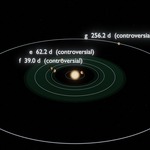
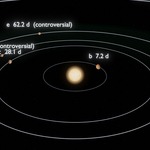
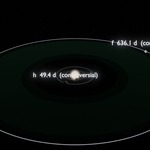
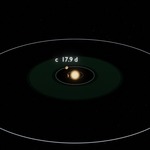
Three scenes, one shared engine, and an honest status label on every planet.
What's included
- Three ready-to-render .blend files: Wolf 1061 (3 planets, 4.3 pc), Tau Ceti (3 planets, 3.6 pc) and GJ 667 C (5 planets, 7.2 pc).
- Periods and minimum masses (M sin i) from the NASA Exoplanet Archive; semi-major axes computed with Kepler's third law.
- Habitable zone (Kopparapu 2014), insolation and equilibrium temperature computed.
- A follow camera for every planet, plus general, inner and top views.
- Studio or physical lighting, adaptive scale, labels, optional animation.
- A ready-to-render .blend (Cycles) with the script embedded, plus the script itself so you can change any setting and rebuild.
- README with what is real and what is not, CREDITS with all references.
What is illustrative (we say it up front)
- Tau Ceti g, h, f and GJ 667 C f, e, g are flagged "controversial" by the Archive and are labelled that way in the scene. Tau Ceti e is a false positive and is not drawn.
- No planet here transits: radii are estimates from mass (Chen & Kipping 2017) and say so.
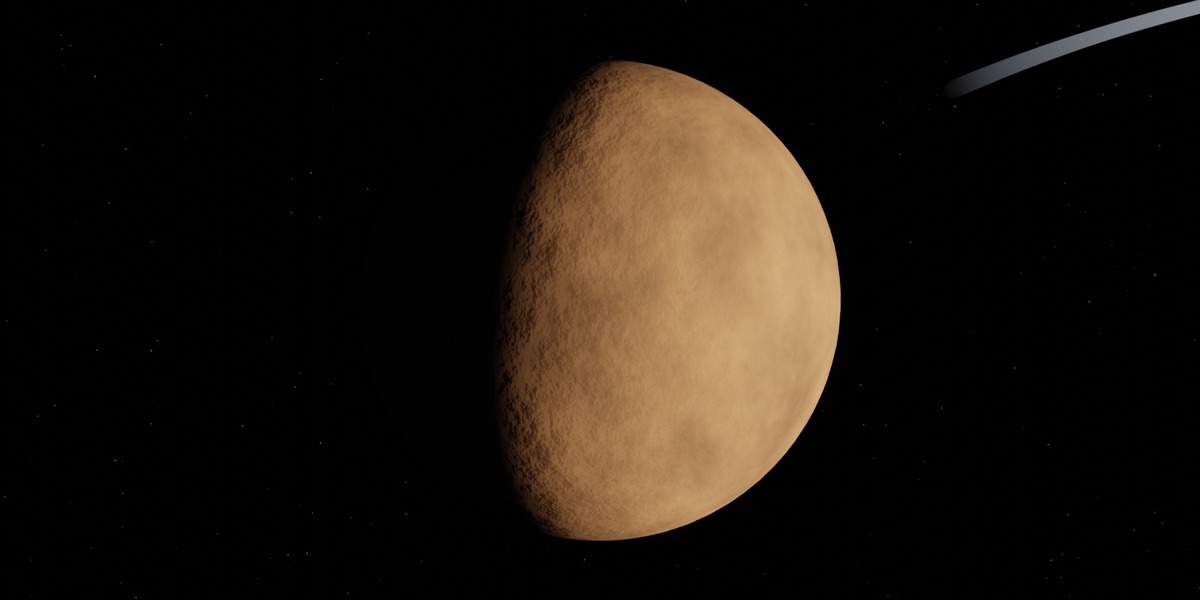
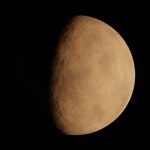
- Planet surfaces are illustrative; the other stars of GJ 667 and the debris disk of Tau Ceti are not drawn.
- Values were read from the Archive web pages (its table API was not reachable); verify them if you need citable numbers.
Who it is for: science communicators, teachers, YouTube creators, and anyone who wants nearby systems shown with their real uncertainty.
Data: NASA Exoplanet Archive; Astudillo-Defru et al. 2017; Feng et al. 2017; Bonfils et al. 2013. Not affiliated with or endorsed by NASA.