 Siddique Art


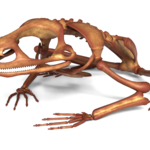
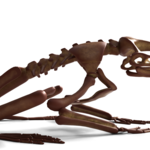
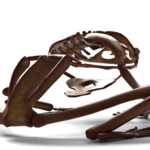
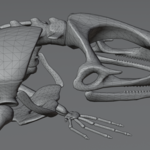
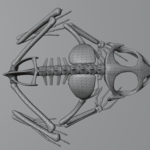
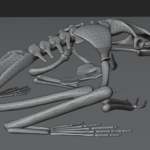
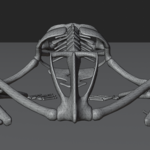
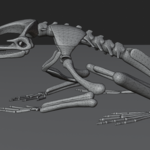
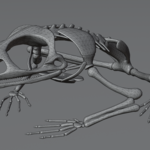
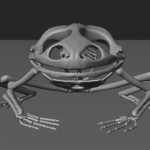
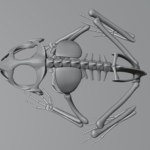
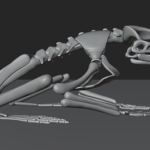
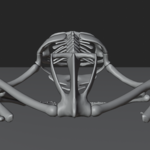
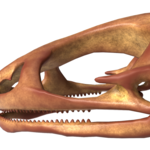
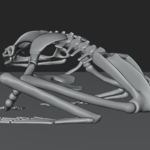
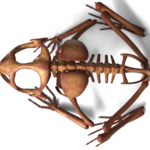
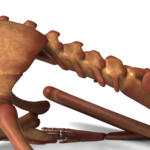
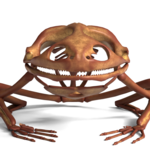
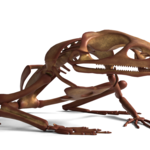
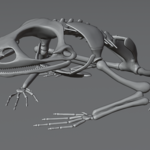
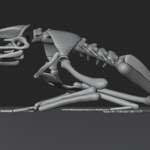
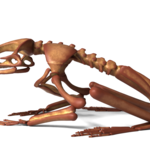
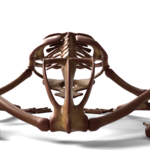
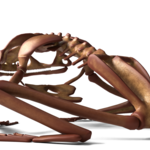
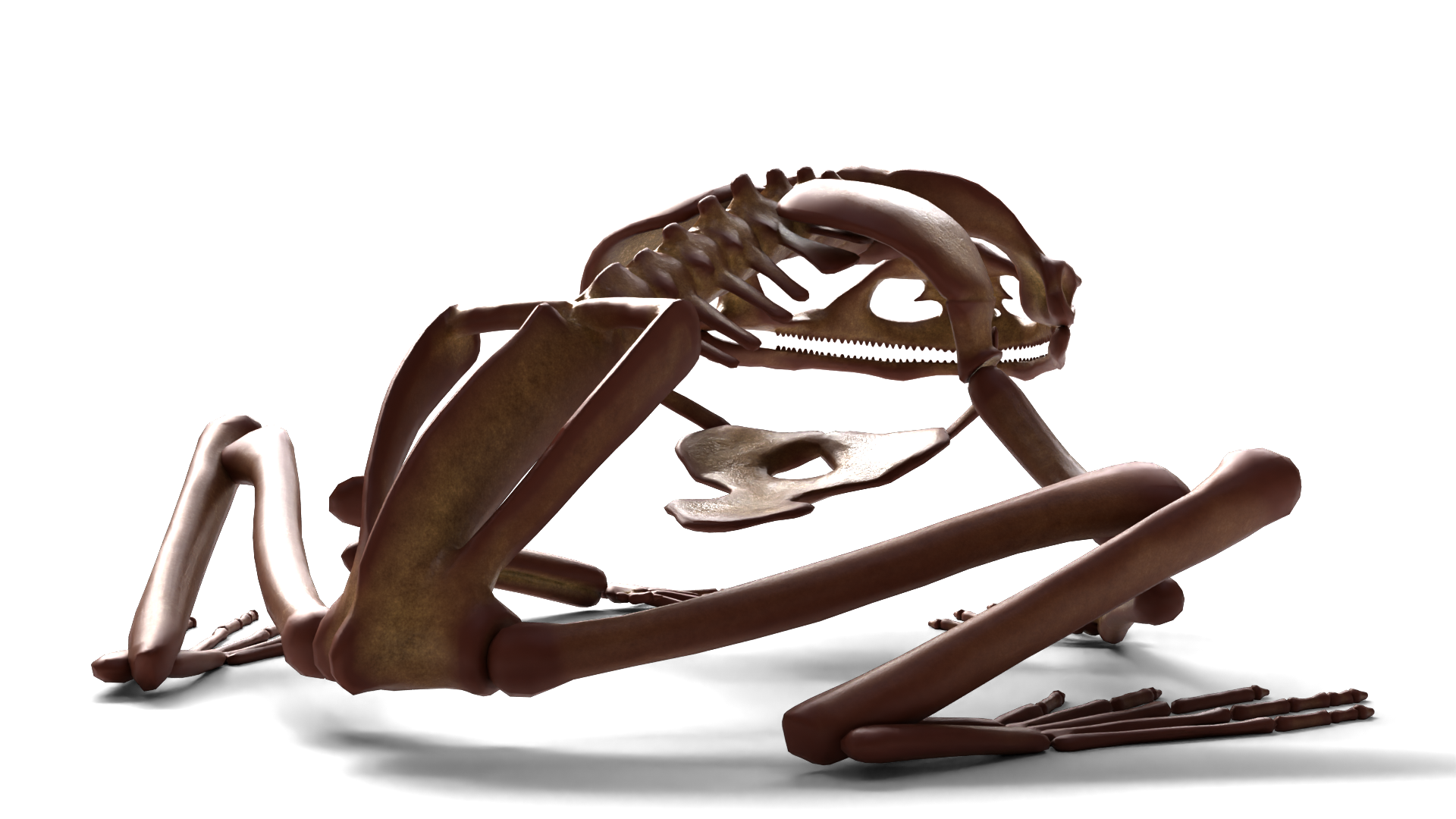
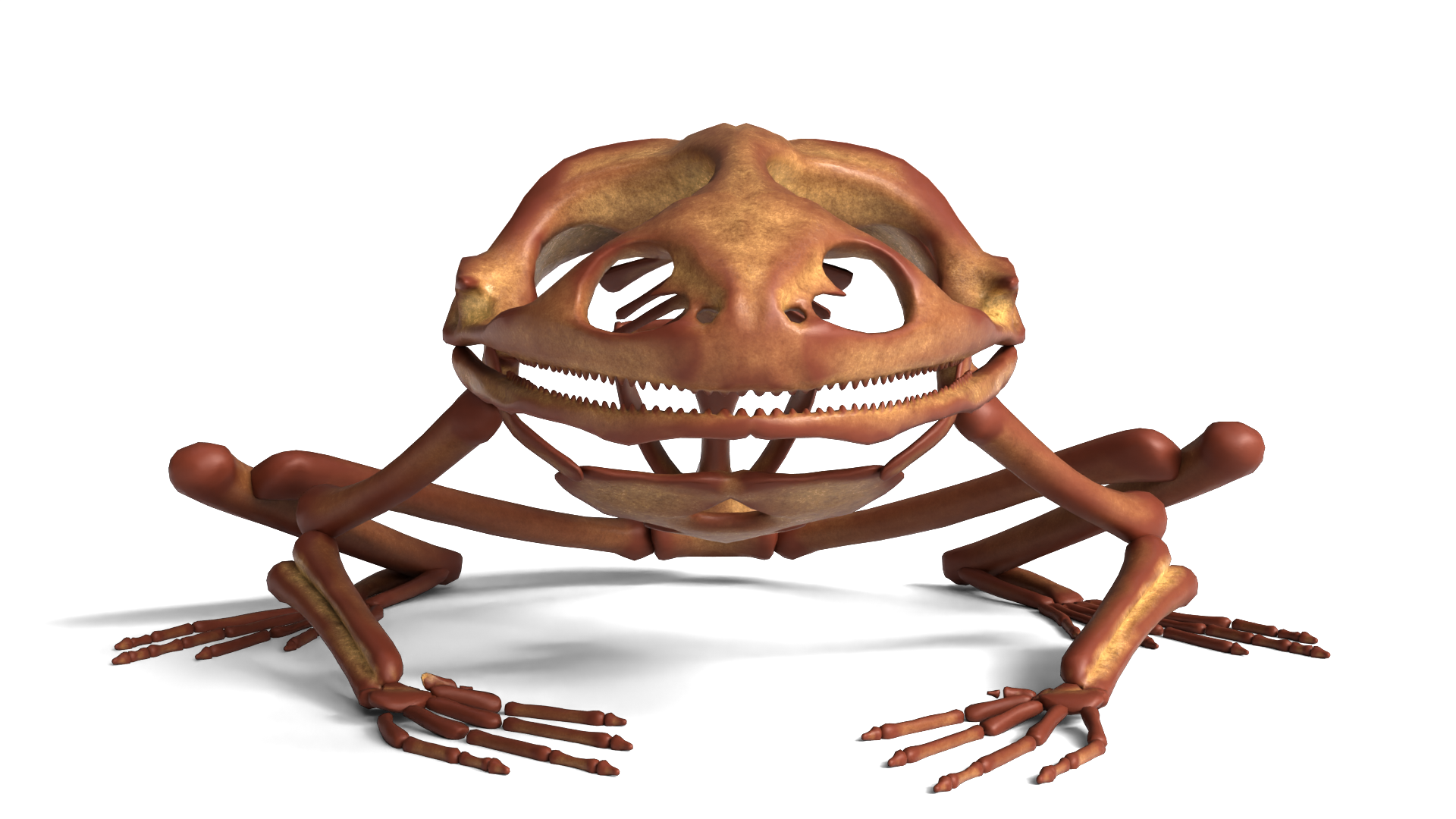
This Frog Skeleton 3D Model is a carefully crafted representation of amphibian skeletal anatomy. The model accurately showcases the bone structure of a frog, including the skull, spine, pelvis, forelimbs, hind limbs, and elongated leg bones that are characteristic of frogs. The proportions are designed to closely reflect real amphibian anatomy, making the model a valuable resource for educational, scientific, and creative applications.
The model is built with clean topology and optimized geometry to ensure smooth performance in most 3D software, rendering engines, and real-time environments. Its organized structure makes it easy to edit, scale, and integrate into different projects. Whether used for educational content, animation, or scientific visualization, the model provides a clear and reliable anatomical reference.
This Frog Skeleton 3D Model is ideal for biology classes, anatomy demonstrations, and amphibian research presentations. Teachers, students, and educators can use it to explain the skeletal structure of frogs and the unique adaptations that allow them to jump and move efficiently. It works well for digital classrooms, e-learning platforms, and educational videos that focus on animal anatomy and biological sciences.
In addition to education, the model can also be used in animation, game development, and film production. Artists and animators can study the skeletal framework to better understand frog movement and create more realistic animations. Game developers can include the model in nature-based environments, educational games, or scientific simulations.
The model is also suitable for AR and VR educational experiences, where users can explore amphibian anatomy in interactive 3D environments. Students can rotate, zoom, and examine the skeleton from multiple angles, helping them better understand bone placement and structure.
Another useful application is 3D printing. The model can be converted into a physical educational tool for classrooms, laboratories, or museum displays, allowing learners to study frog anatomy in a hands-on way.
As digital education and scientific visualization continue to grow, this model can be integrated into virtual biology labs, anatomy learning platforms, digital museum collections, and interactive science applications. Its accurate proportions and flexible design make it a valuable asset for educators, developers, and researchers alike.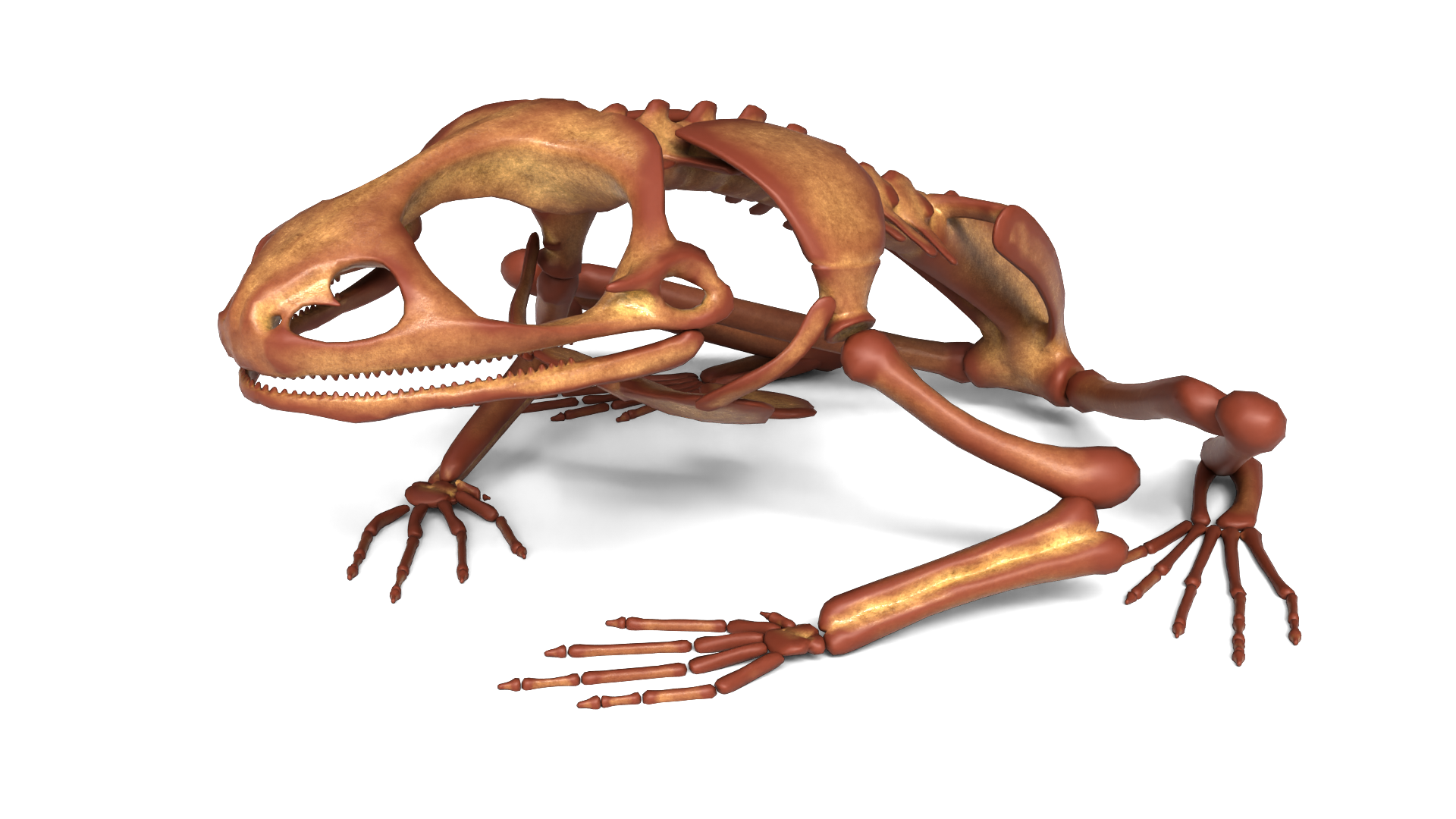
Features
-
Detailed frog skeletal anatomy
-
Includes skull, spine, pelvis, forelimbs, and hind limbs
-
Accurate amphibian bone proportions
-
Clean topology and optimized geometry
-
Easy to edit, modify, and scale
-
Compatible with most 3D software and game engines
-
Suitable for rendering, animation, and educational use
-
Organized model structure for efficient workflow
Use Cases
-
Biology education and amphibian anatomy study
-
School and university teaching materials
-
Scientific visualization and research presentations
-
Educational animations and documentaries
-
Game development and nature simulations
-
AR and VR biology learning experiences
-
Digital museum and science exhibitions
-
Anatomy reference for artists and designers
-
3D printing for classroom models
-
Online courses and e-learning platforms
