PanelDial - Radial N-Panel Navigator
 ArtTalentStudio
PanelDial – Radial N-Panel Navigator · User Guide (1.0.0)
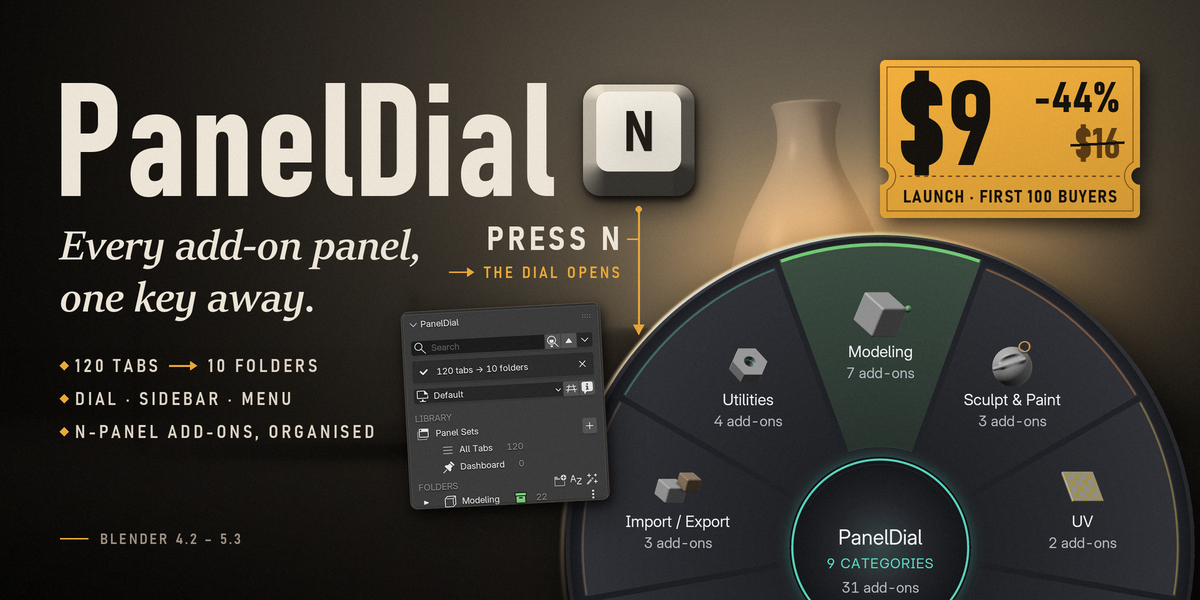
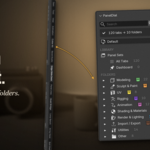
PanelDial turns the long column of add-on tabs in Blender's sidebar (the N panel) into a radial dial that opens on N (categories, then add-ons, then panels), a cascade navigator, and one tidy tree in the sidebar. On the first start it sorts your add-on tabs into folders by itself (Modeling, Rigging, Shading, Render and more). Folders can open by themselves when you change mode or select a camera, each workspace can have its own tree, and a Dashboard collects your favourite panels from different add-ons in one place. The panels are still the add-ons' own panels; PanelDial only decides which ones you see.
Blender 4.2 – 5.3 · pure Python (tested on Windows) · its own look or your Blender theme.
1. Install
- Blender ▸ Edit ▸ Preferences ▸ Get Extensions (4.2+) ▸ the ⌄ menu at the top right ▸ Install from Disk…
- Pick
paneldial-1.0.0.zip. It is enabled at once. - Press N in the 3D Viewport and open the tab called Add-ons.
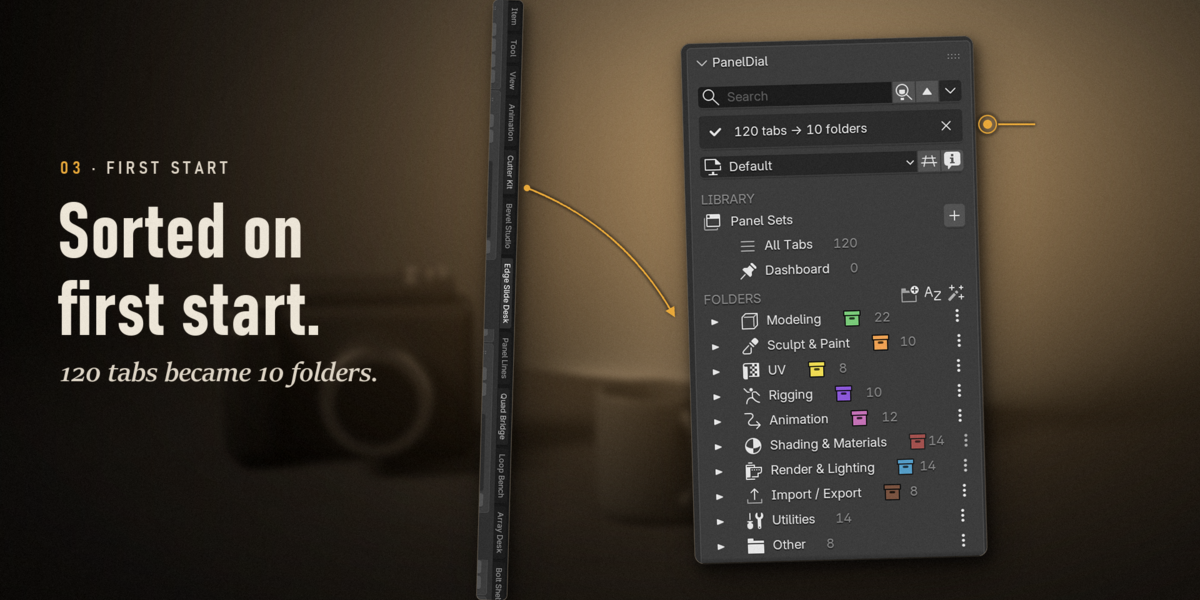
The first time, PanelDial sorts your tabs into folders and shows a short note such as Organised: 30 tabs → 9 folders. Nothing else to set up. Press N in the 3D Viewport (with the sidebar closed) to open the dial.
To remove it: Preferences ▸ Add-ons ▸ PanelDial ▸ ⌄ ▸ Uninstall. Every add-on tab goes back to its own place at once.
2. Modes, the dial and the centre navigator
PanelDial has three modes (Preferences ▸ Add-ons ▸ PanelDial ▸ Mode):
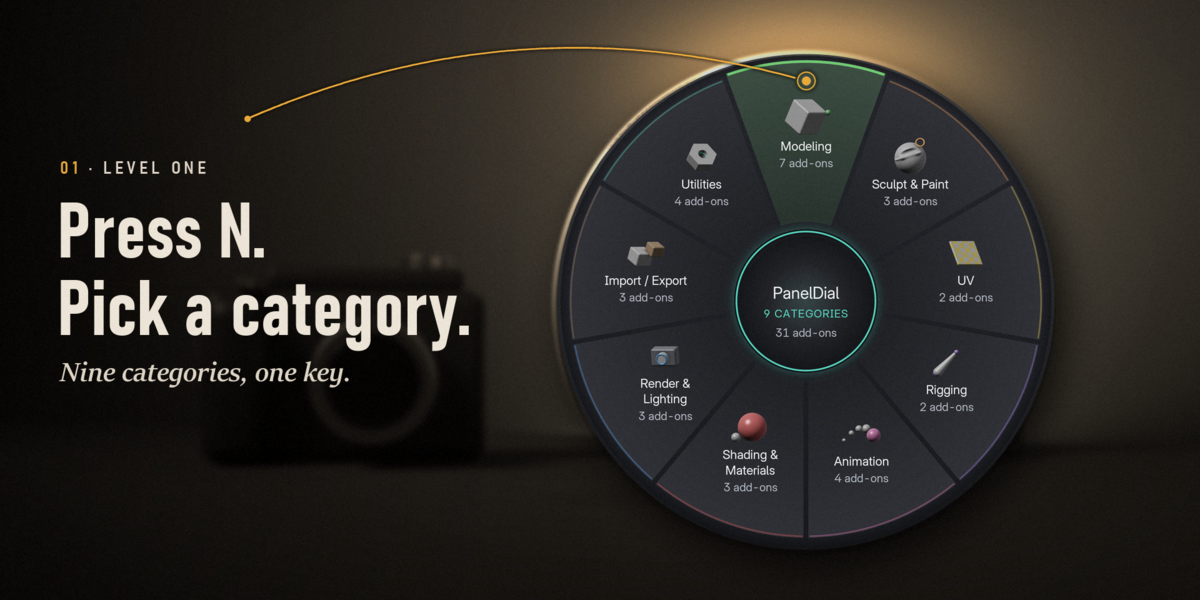
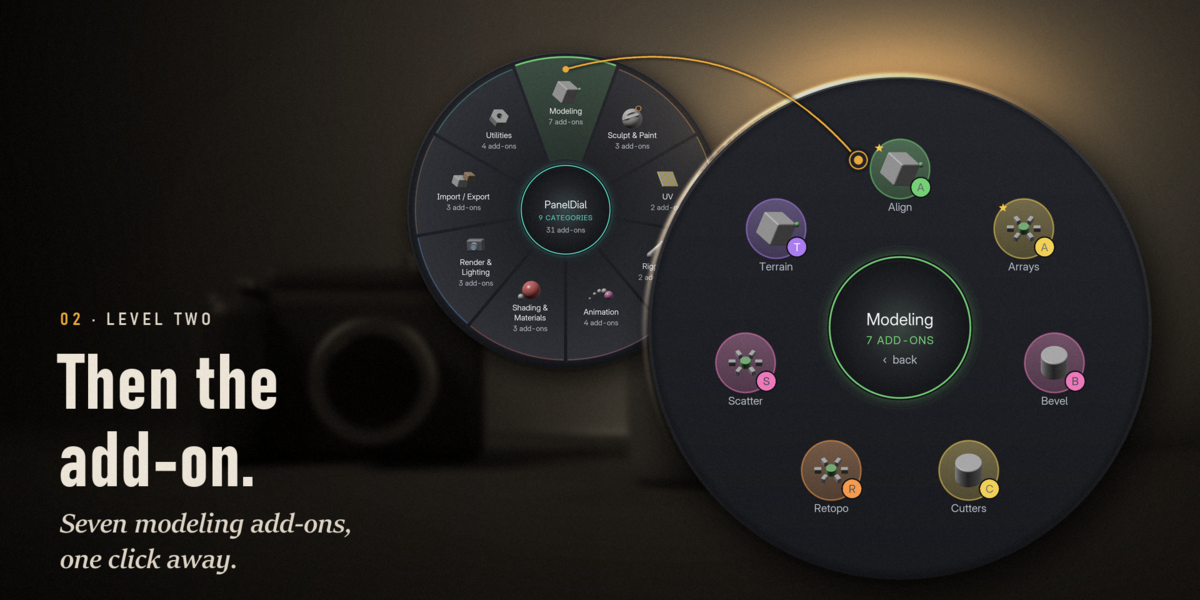
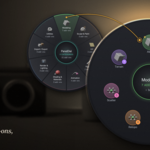
- Dial: Radial Navigator (default) – N opens the PanelDial dial in the middle of the editor: a ring of categories, then the add-ons of the picked category, then that add-on's panels. Many add-ons fill a second ring and pages. Type to filter, Esc closes, N twice gives the classic sidebar.
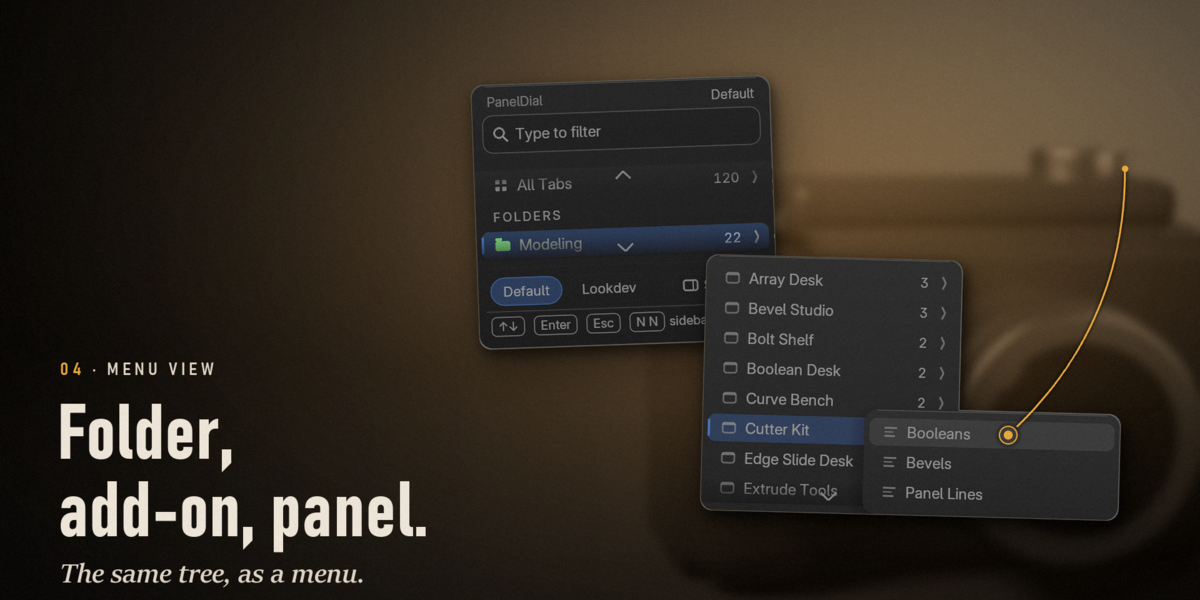
- Cascade: Centre Navigator – N opens the PanelDial navigator in the middle of the editor.
- Simple: Sidebar Tree – N opens the sidebar as usual; the tree is in its Add-ons tab.
The sidebar tree works in every mode.
The dial
- Level 1 – categories. Each wedge shows a category picture and how many add-ons it holds. Click a wedge.
- Level 2 – add-ons. The wedge opens into a ring and the add-on tabs fan in on one or two rings. When there are more than fit, a pager (‹ 1/2 ›) appears: mouse wheel, arrow keys or PageUp/PageDown change the page.
- Level 3 – panels. Click an add-on to see its panels; click a panel to open it (see Open Panels below).
- Back: click the centre (hub), right-click, or Backspace. Esc clears the filter, or closes the dial.
- Type to filter at any level: matching tabs and panels appear on the ring; Enter opens the first one.
- Small buttons around the dial: ★ favourites, dashboard, mode switch (Dial → Cascade → Simple), preferences, close.
- Moving the mouse across the line between two wedges does not flicker the choice, and the centre is a safe zone.
The Cascade navigator
The rest of this section describes the Cascade navigator.
Using the navigator
- It opens in about a sixth of a second. At the top: Type to filter. Then your Library (Dashboard, Favourites, Most Used, Recent, All Tabs) and your folders, each with its colour.
- Hover a row: its contents unfold as a branch next to it, and a branch of a tab lists its panels. Moving the mouse diagonally towards an open branch never switches it by accident.
- Click a panel: the navigator closes and the add-on's own panel opens (see Where panels open). Click a tab, folder or Library row: the sidebar opens and shows it.
- Keyboard: arrow keys walk the tree (→ enters a branch, ← goes back), Enter opens, Esc closes (or clears the filter). Just start typing to filter every tab and panel.
- The chips at the bottom switch profiles with one click; Sidebar opens the classic sidebar.
- N twice (quickly) gives the classic sidebar. With the sidebar open, N closes it as always.
- A click outside closes the navigator and never reaches your scene.
Where panels open (Preferences ▸ Open Panels, or per add-on: ⋯ on a tab ▸ Open Panels: …)
- Sidebar (default) – Blender's own right sidebar opens on that add-on, with the picked panel in view and expanded. No extra windows are ever opened. The PanelDial tree folds to its search line plus your Dashboard and favourites as buttons, so the panel starts near the top; the fold arrow next to the search field opens the tree again.
- Popover at Cursor – the panel is shown at the mouse, drawn by its own add-on (lists, buttons, popovers and sub-panels all work). Move the mouse away to close it.
- Pin to Dashboard – the panel is pinned and the sidebar shows your Dashboard.
Several add-ons together – hold Ctrl and click two or more add-ons in the dial or in the navigator (it stays open while you pick). They are stacked in the right sidebar under the PanelDial tab, in the order you picked them. Each add-on sits under a normal panel header with its name: click the header to fold it, click × to take it out. Up to 12 add-ons can be shown together. Panel Sets ▸ + in the tree saves the group; a saved set opens again with one click, is kept per profile, and can open by itself in a mode or a workspace.
The navigator only finds things. It never draws another add-on's panel itself, so complex add-ons keep working exactly as their authors made them.
Look – PanelDial Theme (our graphite look with colour accents) or Follow Blender Theme (your theme's menu colours and collection colours). Navigator Position – centre of the editor, or at the mouse.
It works in the 3D Viewport, Image / UV Editor, Node Editors, Video Sequencer, Movie Clip Editor, Graph Editor, Dope Sheet and NLA (the Text Editor keeps N for typing).
3. The tree
The head row has the search field, Jump, Fold and the ⌄ menu. Below it:
- Profile button (e.g. Default) – switch layout profiles (section 8). Next to it: Quick Palette and Insights.
- Quick strip – your favourite and recent tabs as one row of buttons (switch off in the ⌄ menu).
- LIBRARY
- All Tabs – every add-on panel of this editor, in one tab.
- Dashboard – the panels you pinned, from any add-on (section 7).
- Favourites – the tabs you starred.
- Most Used – the tabs you open most, counted on this computer.
- Recent – the last 8 tabs you opened.
- FOLDERS – your folders and the smart folders. Buttons on the right: New Folder, Sort A-Z, Auto Organise.
- Not in a folder – tabs you have not filed.
- Kept as normal tabs – tabs you chose to keep as their own sidebar tab.
Click any row to show its panels below the tree; click again to close. The ▸ arrow opens a tab's list of panels: click a panel to show only that one, click the pin next to it to add it to the Dashboard. ★ adds a tab to Favourites. ⋯ opens the item menu. A red NEW marks the tab of an add-on you enabled in the last three days. The numbers are panel counts (switch off in the ⌄ menu).
4. Smart folders (zero setup)
Auto Organise sorts tabs into these folders: Modeling, Sculpt & Paint, UV, Rigging, Animation, Shading & Materials, Render & Lighting, Import / Export, Utilities and Other. It reads each tab's name, the names of its panels and tools, and the add-on's own category, and uses a built-in word list. It also knows more than 1300 popular add-ons by their id, so most of them land in the right folder at once. A tab you move yourself always stays where you put it: Auto Organise never moves it again.
- It runs once by itself on the first start (only if you have no folders yet).
- Run it again from the folder header (✨) or ⌄ ▸ Auto Organise…: only tabs not in a folder keeps what you sorted by hand; all tabs sorts everything again.
- Add-ons you enable later go straight into their smart folder (switch off: Preferences ▸ Auto-file New Add-ons).
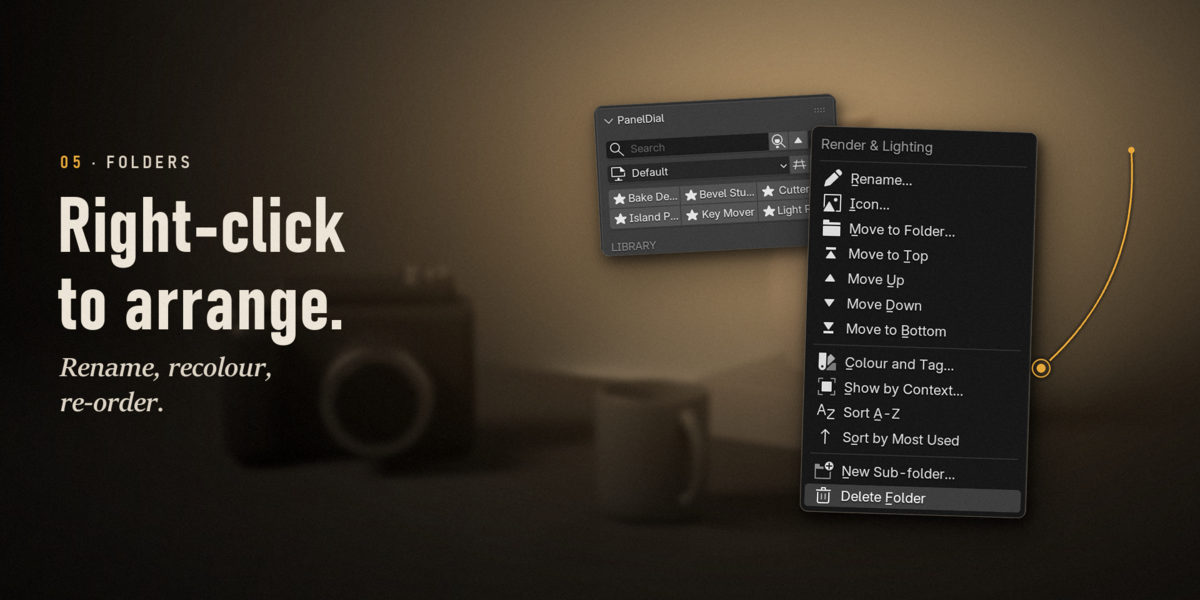
- Smart folders are normal folders: rename, recolour, move or delete them as you like.
5. Folders, colours, tags, order
- ⌄ ▸ New Folder, or ⋯ on a folder ▸ New Sub-folder. Folders can hold folders.
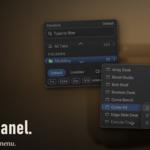
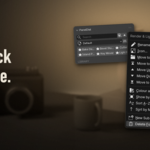
- Move a tab: ⋯ ▸ Move to Folder (type to search).
- One tab in several folders: ⋯ ▸ Also Show in Folder… puts a tab into a second (third…) folder too, for example a bake add-on in both Shading and Render. ⋯ ▸ Remove from "…" takes it out again.
- ⋯ ▸ Colour and Tag… gives a folder one of eight colours and a short tag such as WIP or Client.
- ⋯ ▸ Icon… gives a folder or tab an icon; ⋯ ▸ Rename… a name of your own (the add-on is not changed).
- Order: ⋯ ▸ Move to Top / Up / Down / Move to Bottom, or Sort A-Z and Sort by Most Used on a folder (⌄ menu for the top level).
- Deleting a folder never deletes tabs: its contents move up one level.
6. Show by context
A folder can open, or show its panels, by itself when the 3D Viewport changes mode or when you select an object type. ⋯ on a folder ▸ Show by Context…:
- Modes: Object, Edit, Sculpt, Paint / Weight, Pose. Object types: Mesh, Curve, Armature, Camera, Light, Empty, Grease Pencil. Leave a list empty for "any".
- Then: Open the folder (unfolds it in the tree) or Show its panels (shows them below the tree).
- When the mode changes back, the folder folds again and the tab you had open comes back.
The smart folders come with rules: Rigging shows in Pose mode with an armature, Render & Lighting when a camera or light is active, Sculpt & Paint in Sculpt and Paint modes, Modeling opens in Edit mode. Hover a folder to see its rule. Switch all of this off with ⌄ ▸ Context Folders.
7. Dashboard
Pin panels from different add-ons into one view: open a tab's ▸ list and click the pin next to a panel. Click Dashboard to see all pinned panels together; the × next to a pinned panel unpins it. Up to 64 pins. Pinning a sub-panel shows it inside its parent panel.
8. Profiles and workspaces
A profile is a whole tree of its own: folders, tab places, icons, names and pins.
- Profile button ▸ New Profile… saves the current tree under a new name and switches to it.
- Click a profile to switch. Rename… and Delete… act on the current one.
- Use for Workspace "…" links the current profile to the workspace you are in: switching workspace then switches the tree. Unlink removes the link.
- Make Workspace Profiles makes one profile each for the Modeling, Sculpting, UV Editing, Shading, Animation and Rendering workspaces, each opening its own smart folder first, and links them.
9. Quick Palette – Shift+Alt+N
A popup under the mouse with your Dashboard, Favourites, Most Used tabs, top-level folders and profiles. Click one: the sidebar opens and shows it. Works in every editor that has the tree (not in the Text Editor, where Alt types characters).
10. Search and Jump
- Search field – type part of a tab or panel name; matching panels show while you type.
- Jump (magnifier button, or Ctrl+Alt+N) – search every tab and panel of this editor and open it. The sidebar opens on that add-on's tab with the panel in view, whatever tab it was showing.
- Fold (▲/▼) – folds the tree to one line plus your Dashboard and favourites as buttons.
11. Add-on Insights (read only)
The ⓘ button next to the profile shows, for this editor: every add-on tab with its add-on, panel count, how often you opened it and when, and a list of tabs you have not opened in the last N days (default 30). Insights only shows information. PanelDial never disables or uninstalls anything.
12. Each editor has its own tree
The tree works in the 3D Viewport, Image Editor, UV Editor, all Node Editors, Video Sequencer, Movie Clip Editor, Text Editor, Graph Editor, Dope Sheet and NLA. Switch editors off in Preferences ▸ Editors. What you opened is remembered per editor window and per workspace.
13. Blender's own tabs stay
Tabs that belong to Blender (Item, Tool, View, …) keep their normal place, and so do add-ons that ship inside Blender. Only the tabs of add-ons you install go into the tree. To keep an add-on tab outside the tree: ⋯ ▸ Keep as Normal Tab.
14. Preferences
Preferences ▸ Add-ons ▸ PanelDial:
- Organise Sidebar Tabs on/off, and the name of the tree tab (default "Add-ons").
- Editors – where the tree is used.
- Mode (Dial / Cascade / Simple), Look, Open Panels, Navigator Position.
- Show Panel Counts, Show Hidden Tabs, Context Folders, Auto-file New Add-ons, Compact Rows (tighter rows for small screens), Quick Strip.
- Shortcuts – Jump (Ctrl+Alt+N) and Quick Palette (Shift+Alt+N); change them here.
- Export / Import / Reset Layout, Restore Blender's Sidebar.
15. Your layout
Folders, profiles, pins, favourites, names and icons are saved at once in Blender's user folder, not in your .blend files. Undo, opening files and "Load Factory Settings" never touch it, and it is the same in every file. Export Layout writes a small .json file (with all profiles) to back up or give to a teammate; your usage counts stay private and are not exported. Import Layout loads one. Reset Layout clears folders and profiles but keeps settings and usage counts.
16. Restore Blender's sidebar (one click)
⌄ ▸ Restore Blender's Sidebar puts every add-on tab back exactly where its add-on put it. Turn On Sidebar Tree in Preferences ▸ Add-ons ▸ PanelDial brings the tree back with your layout. Disabling or uninstalling PanelDial does the same restore.
17. Good to know
- Add-ons you enable or disable while Blender runs appear in or leave the tree within about two seconds.
- The workspace setting Filter Add-ons still works: filtered add-ons are hidden in the tree too.
- A few add-ons draw their own tab buttons or use popovers; those keep working, but are not part of the tree.
- PanelDial never changes another add-on's files or settings.
18. Troubleshooting
- A tab is missing from the tree – ⌄ ▸ Show Hidden Tabs; or it may be kept as a normal tab (bottom of the tree).
- A folder keeps opening by itself – ⋯ ▸ Show by Context… ▸ untick Follow the context, or ⌄ ▸ Context Folders off.
- The tree changed when I switched workspace – that workspace is linked to a profile; profile button ▸ Unlink.
- N opens the navigator but I want the plain sidebar – press N twice, or set Mode to Simple.
- I want everything back as before – ⌄ ▸ Restore Blender's Sidebar.
-
The layout file got damaged – PanelDial starts with an empty layout and keeps the old file as
layout.json.bad.
Support: message me on the store page. Please include your Blender version and the add-on that misbehaves.
 Included
Includes 12 months of
- Support from ArtTalentStudio
- Product updates
Extend this product’s Support Period +12 months: 50% of product price
Have questions before purchasing?
Login to message
| Blender Extension Compatible | Yes |
| Published | 1 day ago |
| Blender Version | 4.2 - 5.3 |
| Extension Type | Add-on |
| Render Engine Used | Cycles, Eevee |
| License | GPL |