 Redmoon Studio


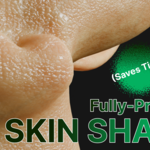
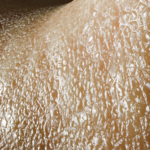
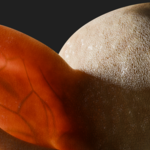
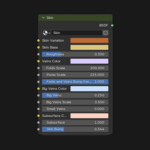
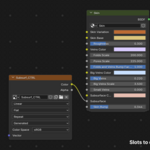
I’ve been working on something I always wanted for my own workflow — a procedural skin shader that actually feels alive.
Most skin shaders either look too clean, too flat, or rely heavily on texture maps. I wanted something flexible, detailed, and easy to customize without spending hours painting textures. So, I built this fully procedural skin system in Blender from the ground up.
It includes realistic veins, subtle imperfections, controllable pores, folds, subsurface scattering, color variation, and layered skin details that help break the perfect CG look. Every slider is designed to give artists creative control while still keeping the material physically believable.
One of my favorite parts is how versatile it is. You can create realistic human skin, stylized characters, creatures, monsters, alien skin, animal-like surfaces, or even exaggerated fantasy looks just by adjusting a few parameters. Warm skin, pale skin, damaged skin, aged skin, creature skin — everything can be pushed in different directions without rebuilding the shader.
The veins react naturally under the surface, the imperfections add subtle realism, and the procedural breakup helps avoid repetitive patterns. Since it’s procedural, you can easily adapt it to different characters and lighting situations without worrying about texture resolution.
I spent a lot of time balancing realism with usability because I wanted this to be something artists could actually use in production, personal projects, close-up renders, cinematics, or character look development.
Honestly, seeing the shader finally come together after all the tweaking, testing, and experimenting feels incredibly rewarding. This is one of those projects where tiny details make a massive difference, and I’m really proud of how natural the final result feels.
Made entirely in Blender. 🚀