|
What you'll learn
|
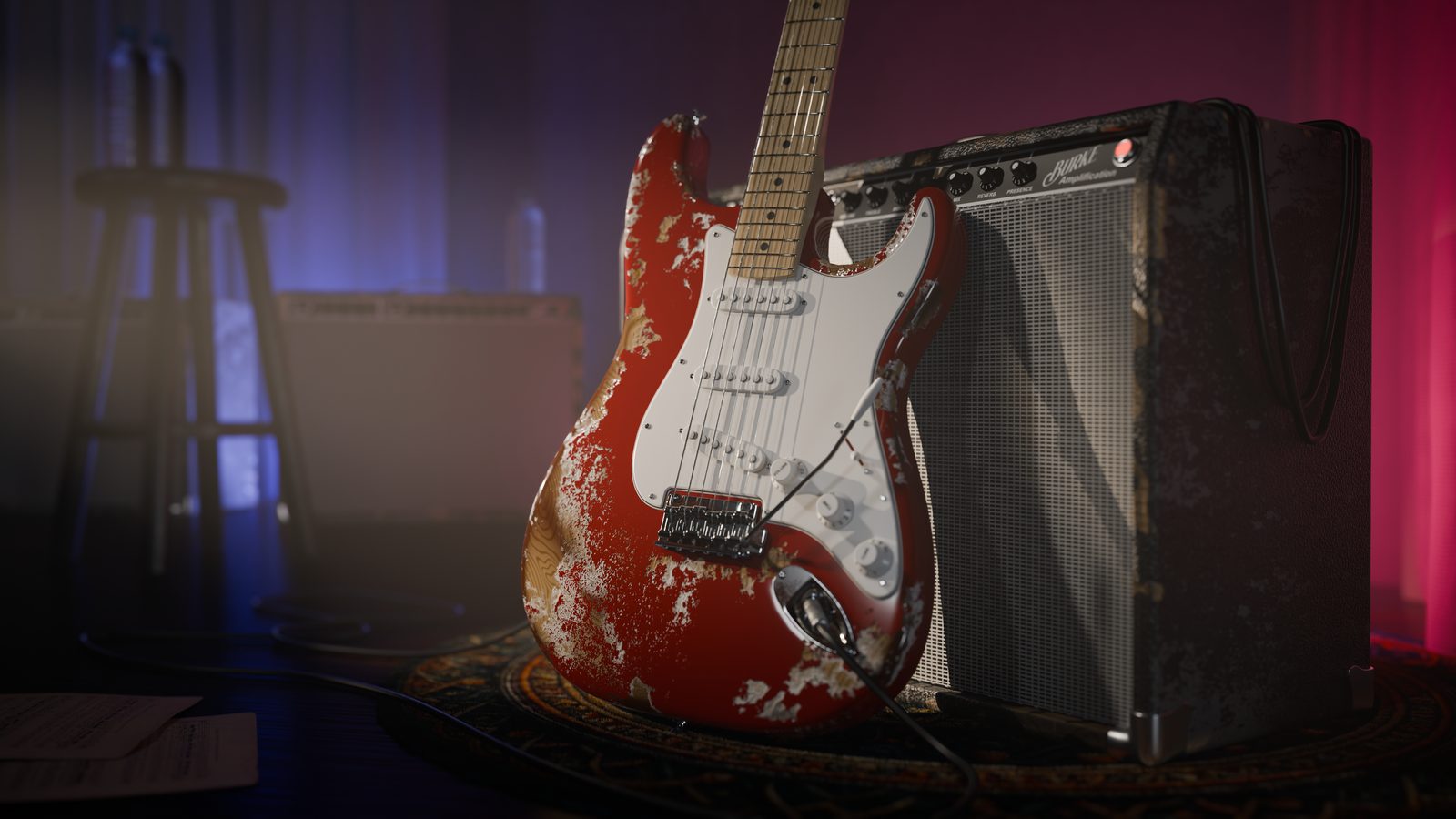
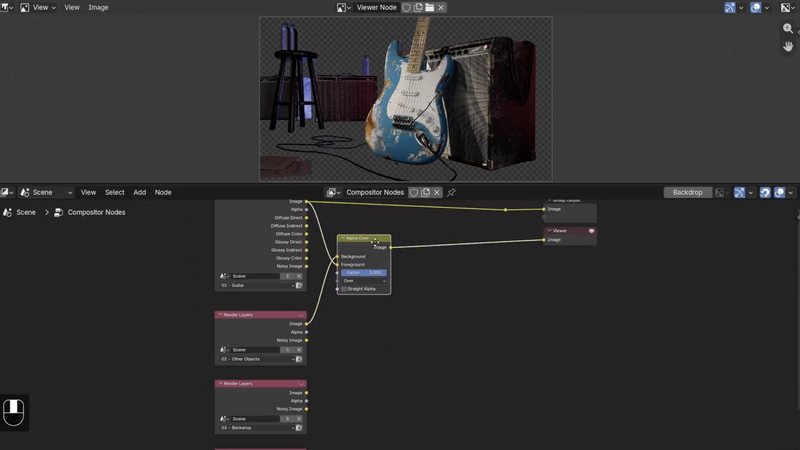
View layers that earn their keep. Split one scene into separately renderable versions using visibility, holdout, and indirect only, so the guitar, the props, the backdrop, and the volume each arrive as their own piece. |
|
Render passes, and which ones matter. Diffuse and glossy, direct, indirect and color, plus ambient occlusion, mist, depth, normal and UV. Preview any of them in the viewport before committing to a render. |
|
Light groups. Change what an individual light contributes after the render has finished, instead of relighting and starting over. |
|
Reassembly that actually matches. Rebuild the pieces so the recombined image matches the render you started with. Only then does breaking it on purpose mean anything. |
|
Motion blur and depth of field after the fact. Vector Blur and Defocus driven by the vector and depth passes, with focus sampled from the camera view so the focal plane lands where you think it does. |
|
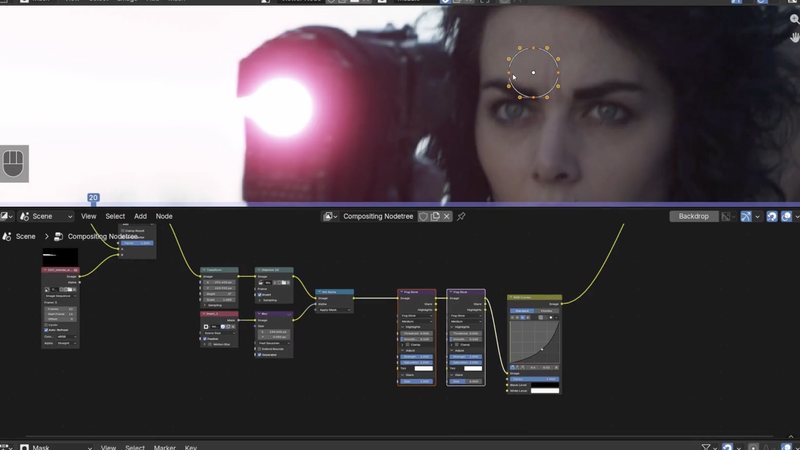
Mattes, four different ways. Object and material Cryptomattes, channel and alpha mattes, and masks you draw by hand, for when you need one object rather than one layer. |
|
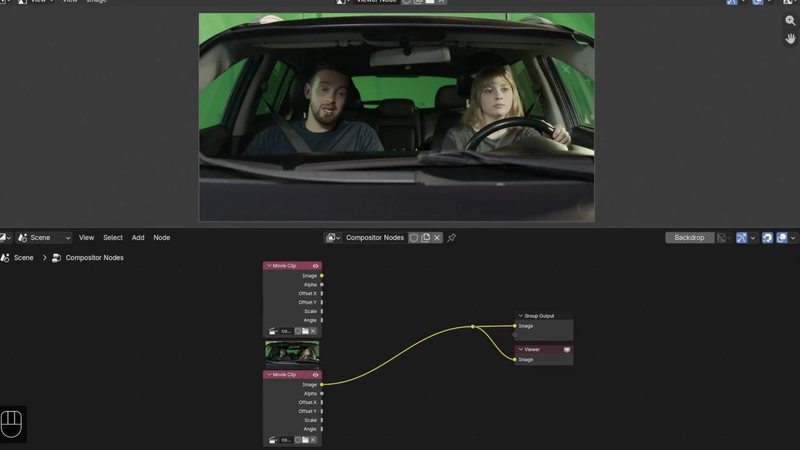
Live action integration. Convert footage into numbered image sequences, match color management to it, and use solved camera tracks to attach a 2D element to a moving shot. |
|
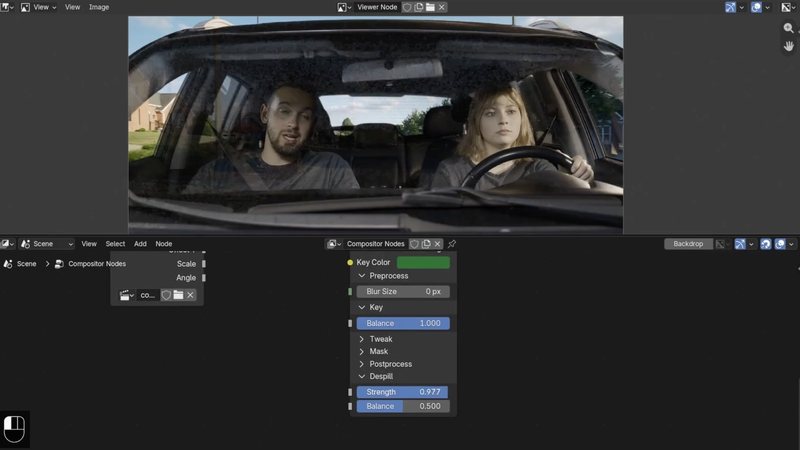
A green screen key, start to finish. Pull the key, clean up the matte, remove the green reflecting off your subject, and blend the replacement background into the edge. |
|
 CG Cookie