 Solaris Core — MHD-INT
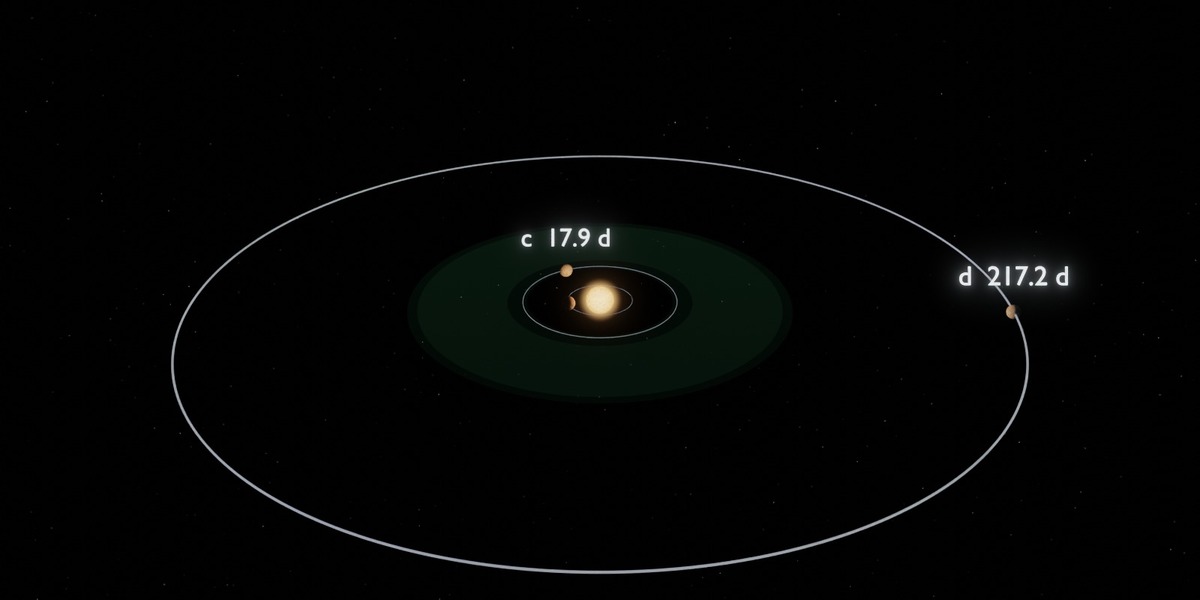
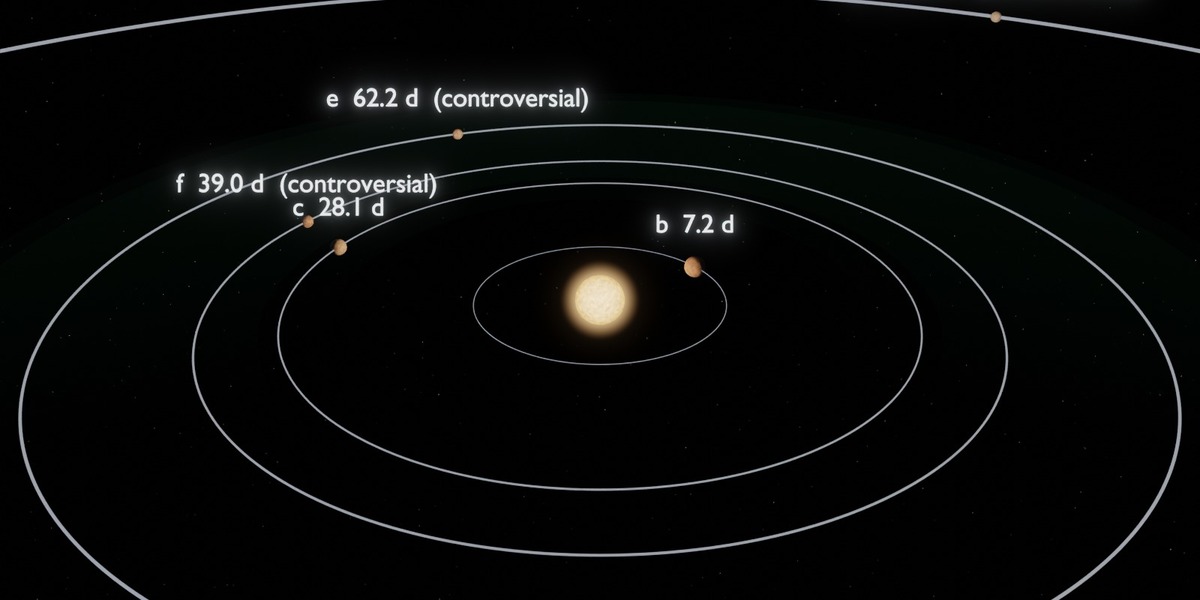
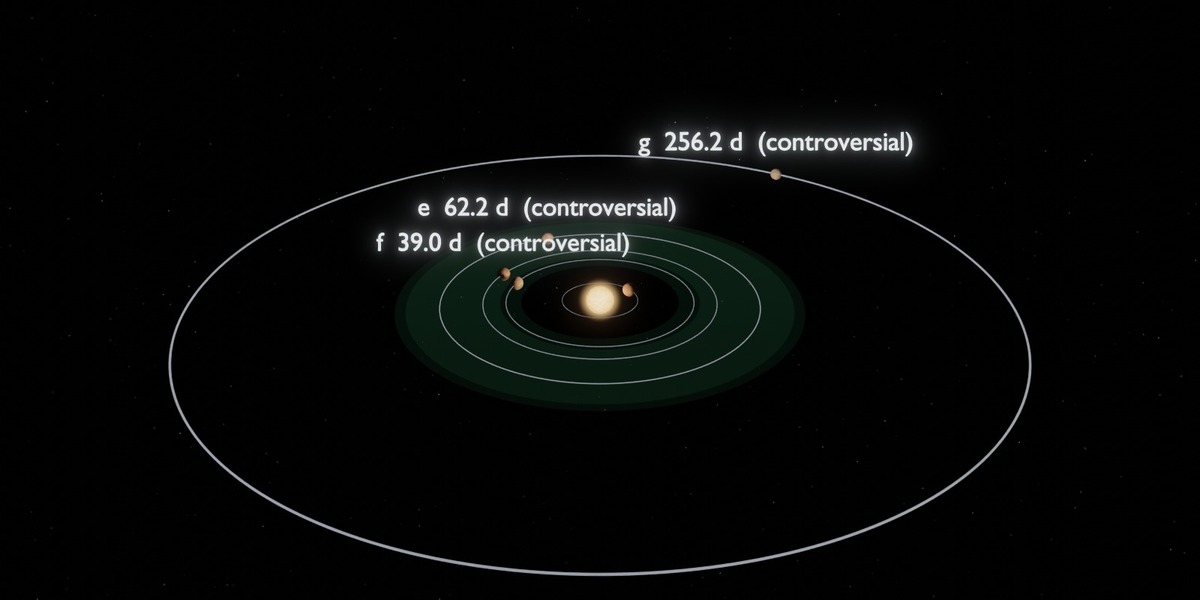
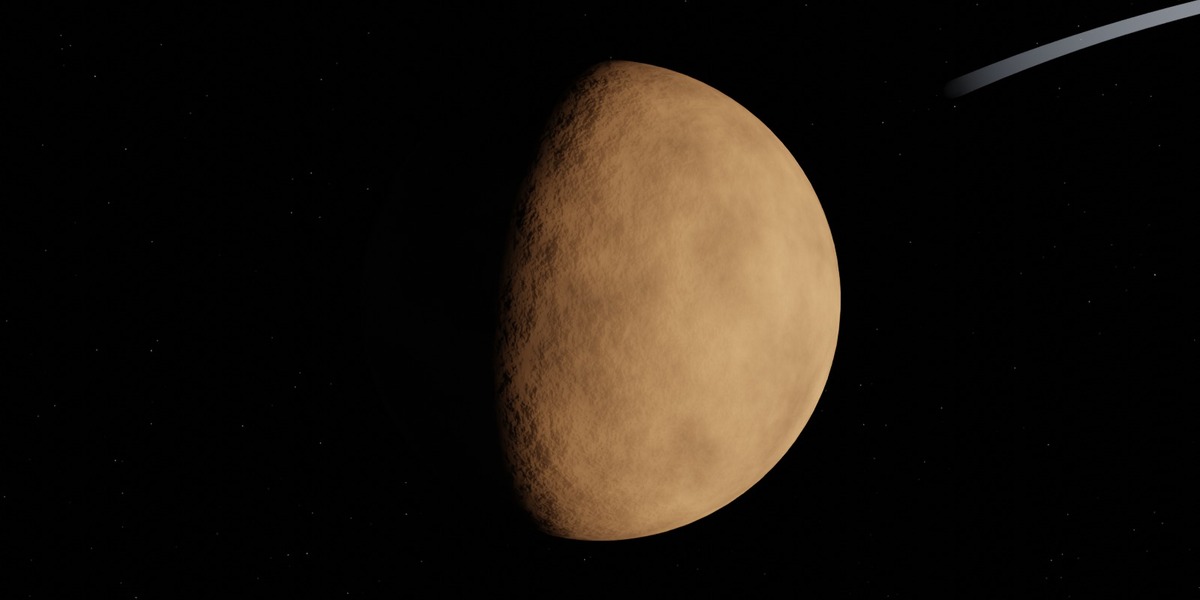
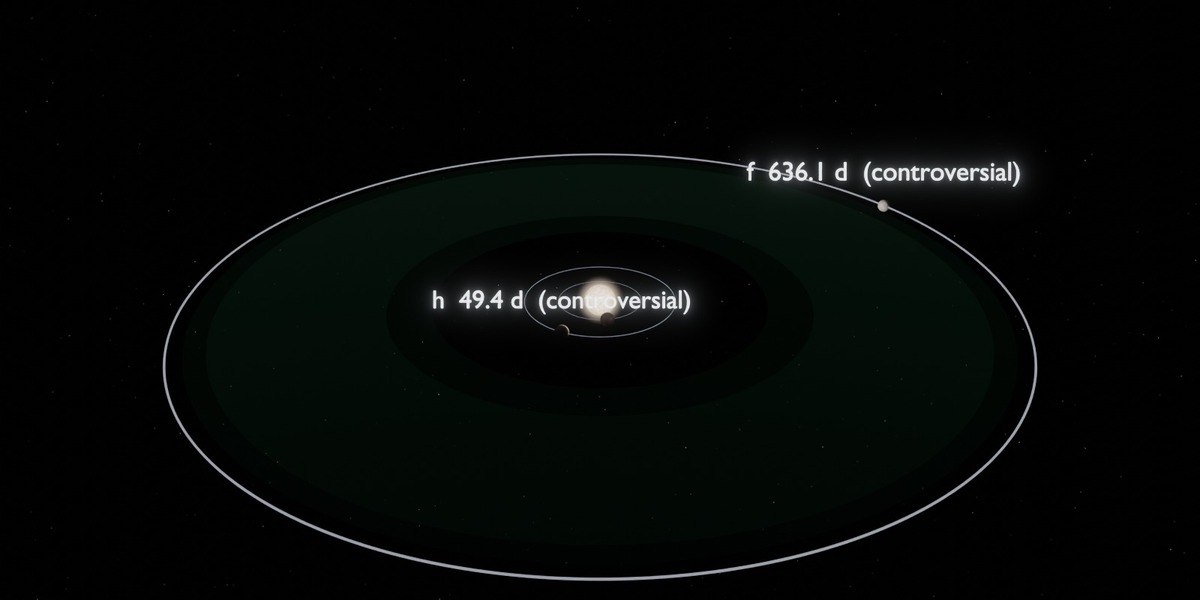
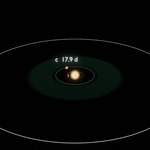
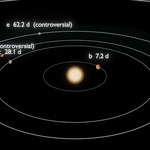
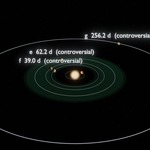
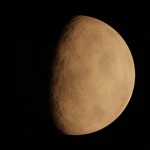
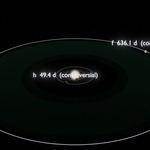
Three scenes, one shared engine, one comparison.
What's included
- Three ready-to-render .blend files: Kepler-186 (Quintana 2014), Kepler-62 (Borucki 2013) and Kepler-442 (Torres 2015), with values as cited by the NASA Exoplanet Archive.
- Orbits by Kepler's third law, habitable zone by Kopparapu 2014, equilibrium temperature and insolation computed.
- Studio or physical lighting, adaptive scale, labels and cameras per system (general, inner and top views plus one per planet).
- A ready-to-render .blend (Cycles) with the script embedded, plus the script itself so you can change any setting and rebuild.
- README with what is real and what is not, CREDITS with all references.
What is illustrative (we say it up front)
- Kepler-442 b data is cited through the NASA Exoplanet Archive (Burke 2019), not read from the original paper.
- Surfaces are illustrative. Being in the habitable zone does not mean the planet is habitable.
- Radii are the published transit radii; masses are not measured. Orbits are circular and coplanar, with random starting phases.
Who it is for: science communicators, teachers, YouTube creators, and anyone comparing habitable-zone candidates side by side.
Data: NASA Exoplanet Archive; Quintana et al. 2014; Borucki et al. 2013; Torres et al. 2015. Not affiliated with or endorsed by NASA.