 Solaris Core — MHD-INT
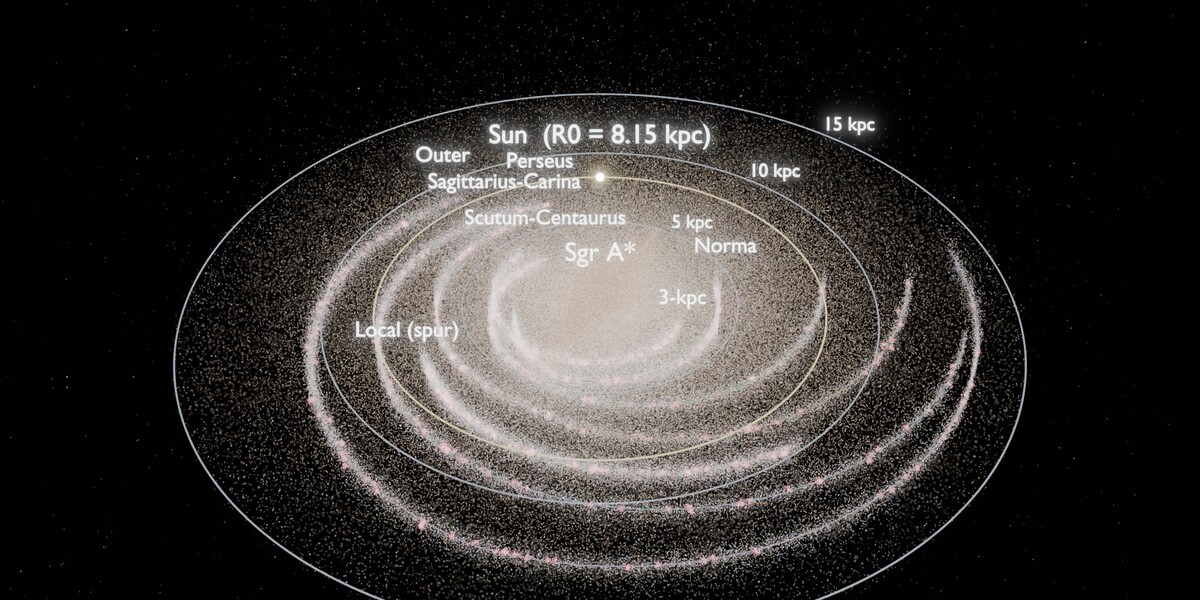
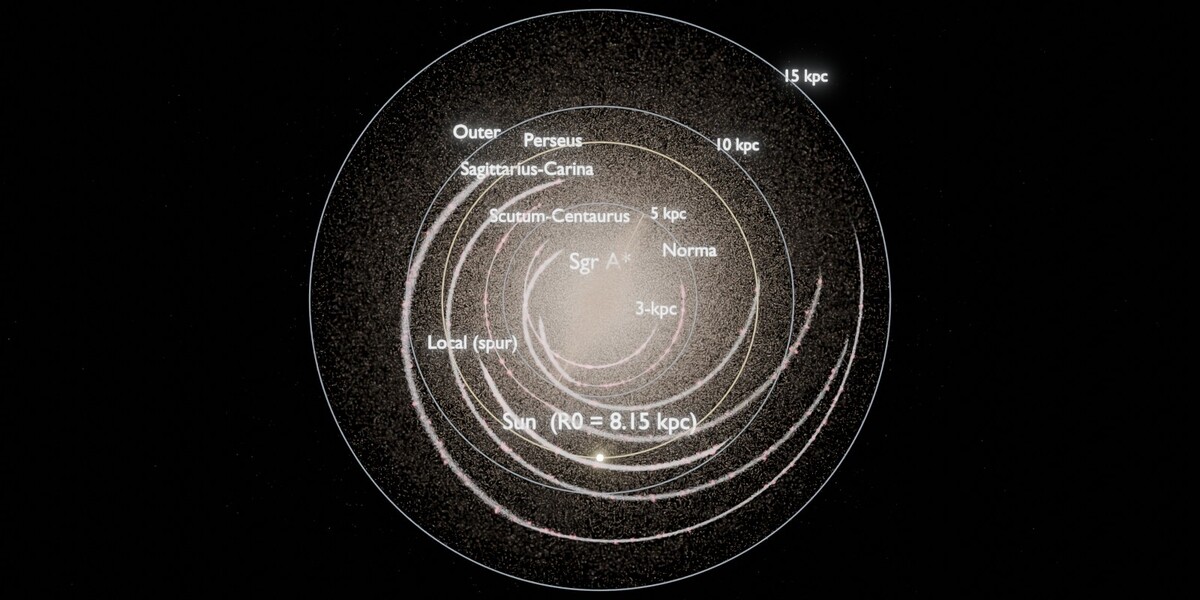
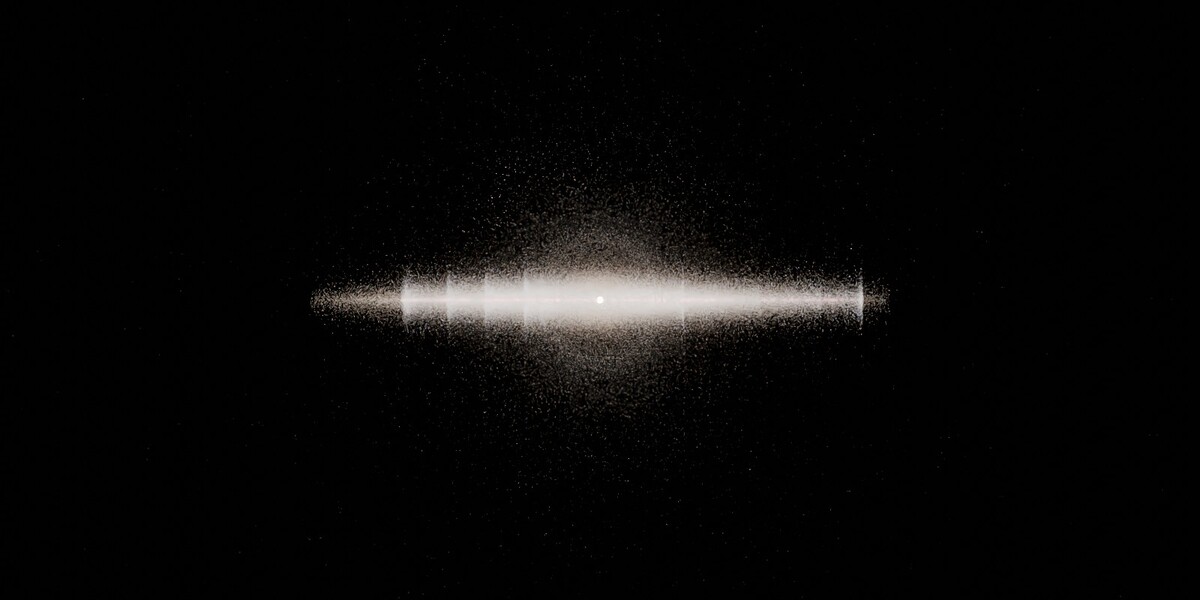
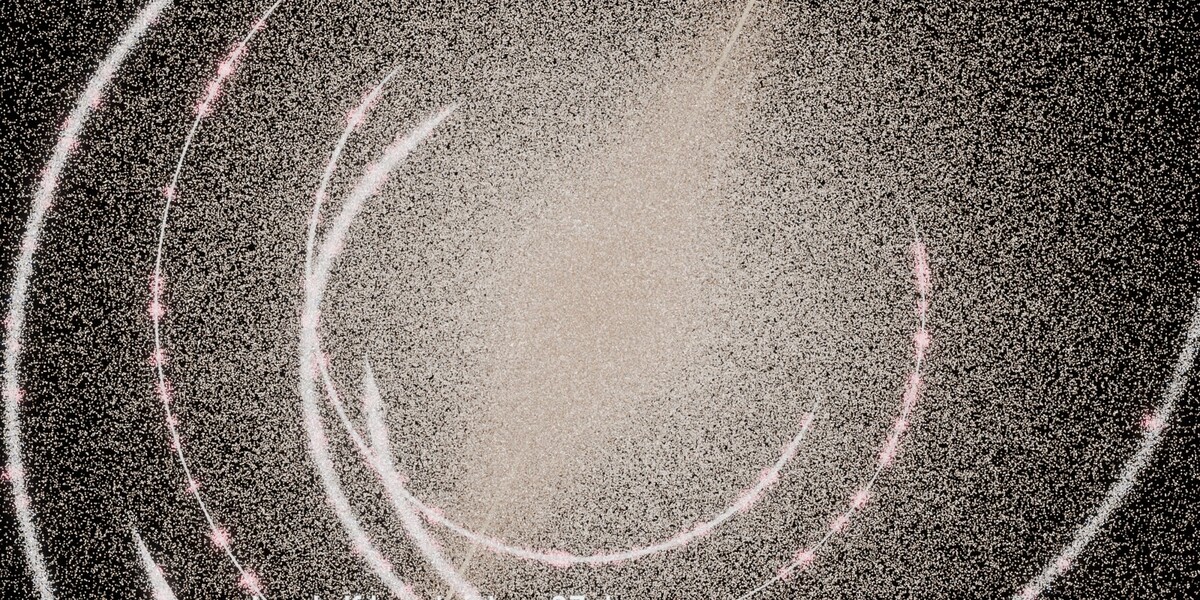
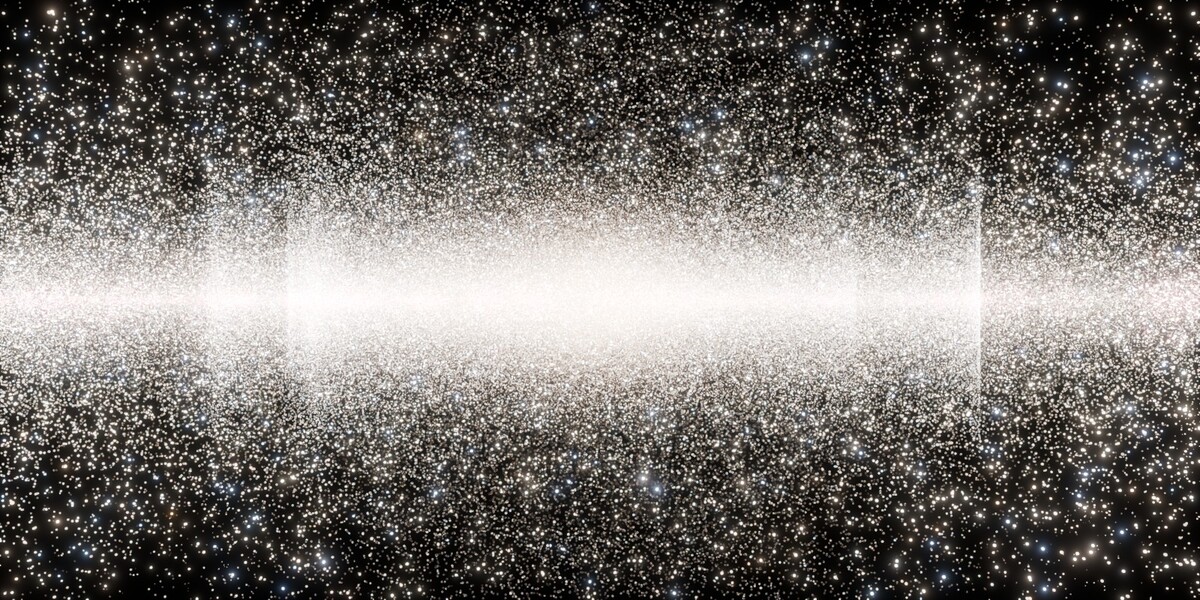
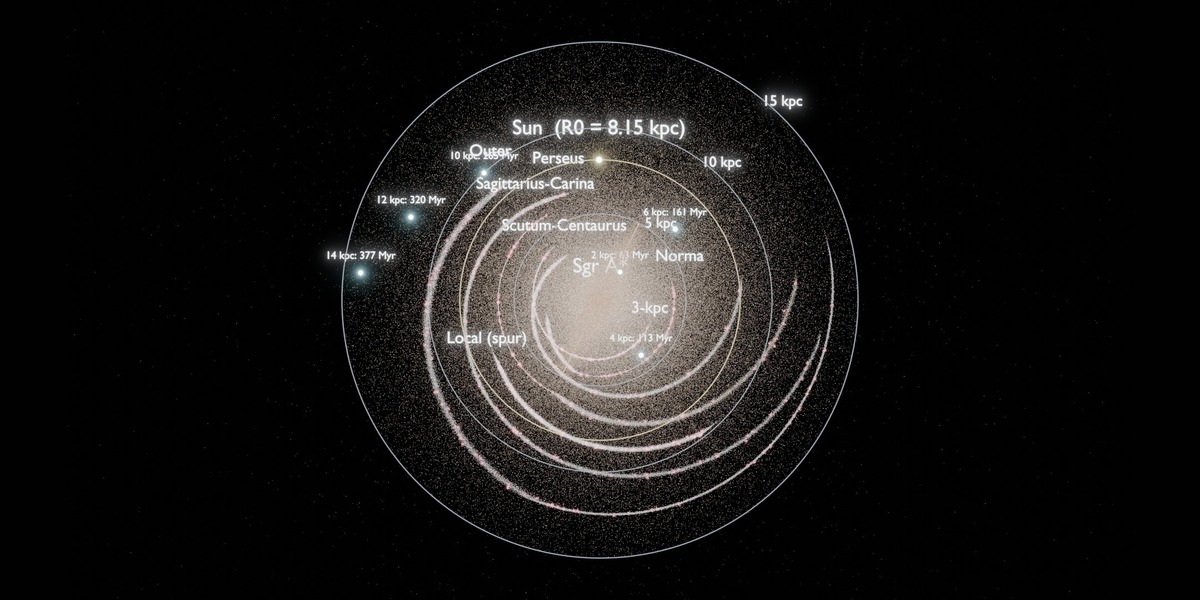
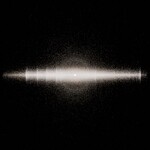
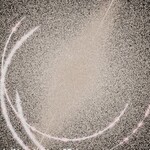
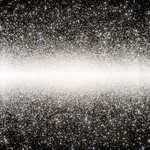
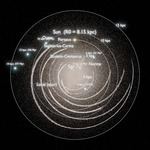
A model of the Milky Way built from the numbers astronomers measured, not from a picture. About 1.2 million points, each standing for an equal share of the stellar mass, fill a thin and a thick disc, a bar, a bulge and seven logarithmic spiral arms, at 1 Blender unit = 1 kiloparsec.
What makes it different
- Published structure. Seven spiral arms with the fitted parameters of Reid et al. 2019; a 5 kpc bar at 27° and the bulge and disc masses of Bland-Hawthorn & Gerhard 2016.
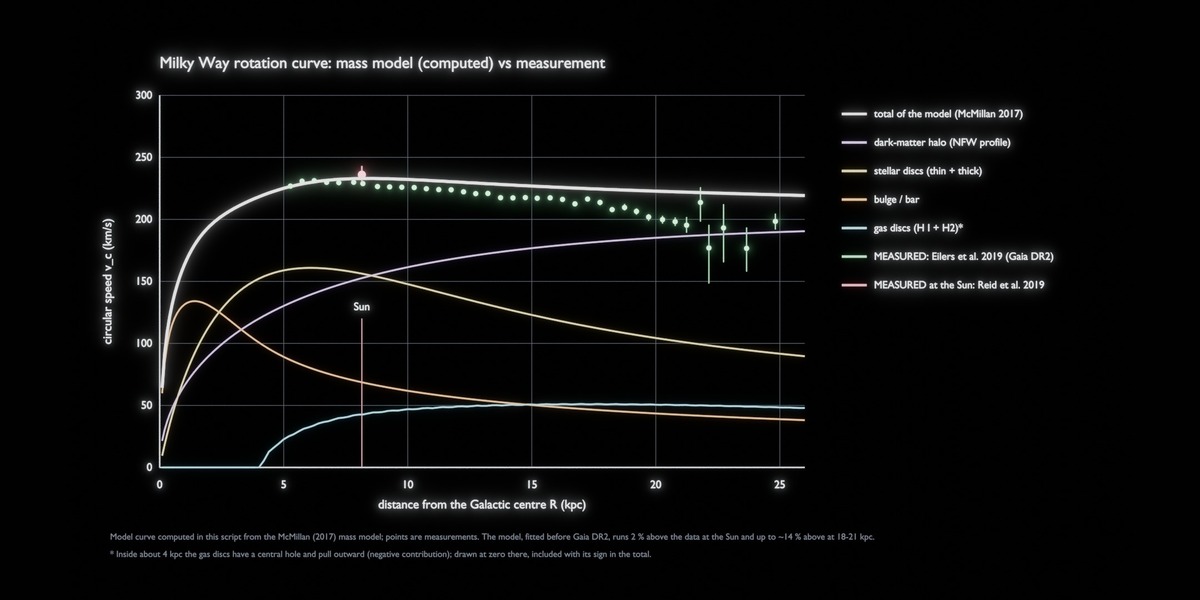
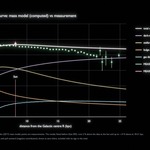
- A rotation curve computed, not drawn. The script computes how fast the Galaxy turns at each radius from the McMillan 2017 mass model (bulge, stellar discs, gas discs and dark-matter halo) and plots it against the curve measured with Gaia (Eilers et al. 2019). Where they disagree, the chart shows it.
- Things move as they should. The Sun goes around once in the animation (orbital period of 203 million years, computed), and six test stars orbit at the computed circular speed so you can watch the inner ones lap the outer ones.
- Honest labels. Every object stores its values as Custom Properties with the source, marked as measured, computed or illustrative.
What's included
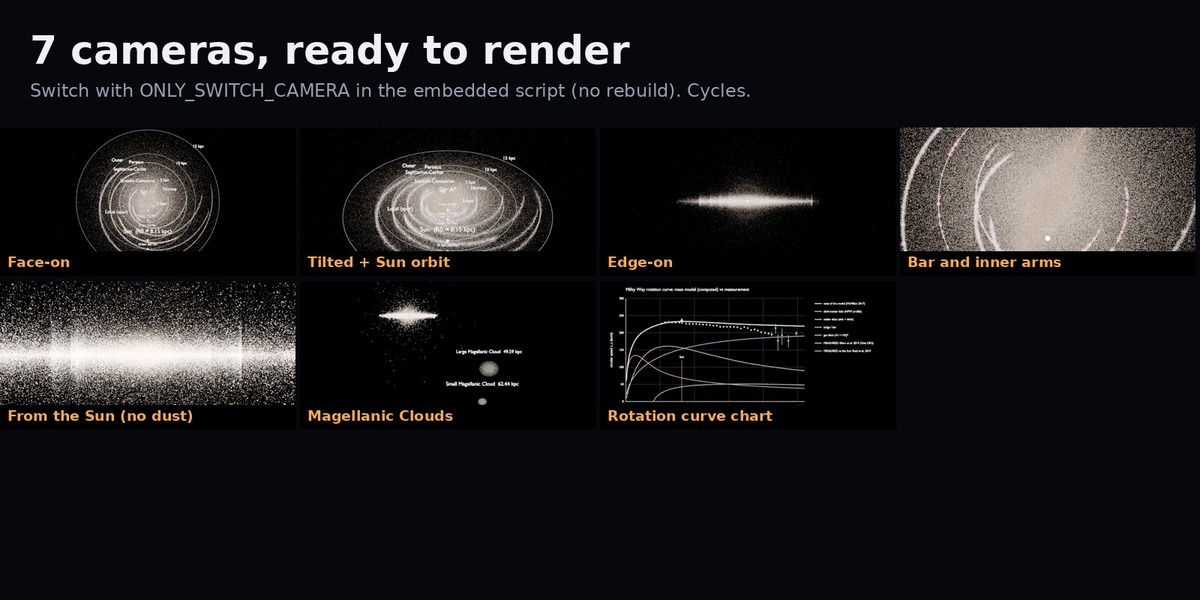
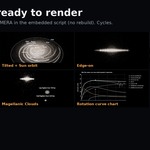
- A ready-to-render .blend (Cycles) with the script embedded, plus the script itself so you can change any setting and rebuild.
- Sagittarius A* at the centre, distance rings at 5, 10 and 15 kpc, arm labels.
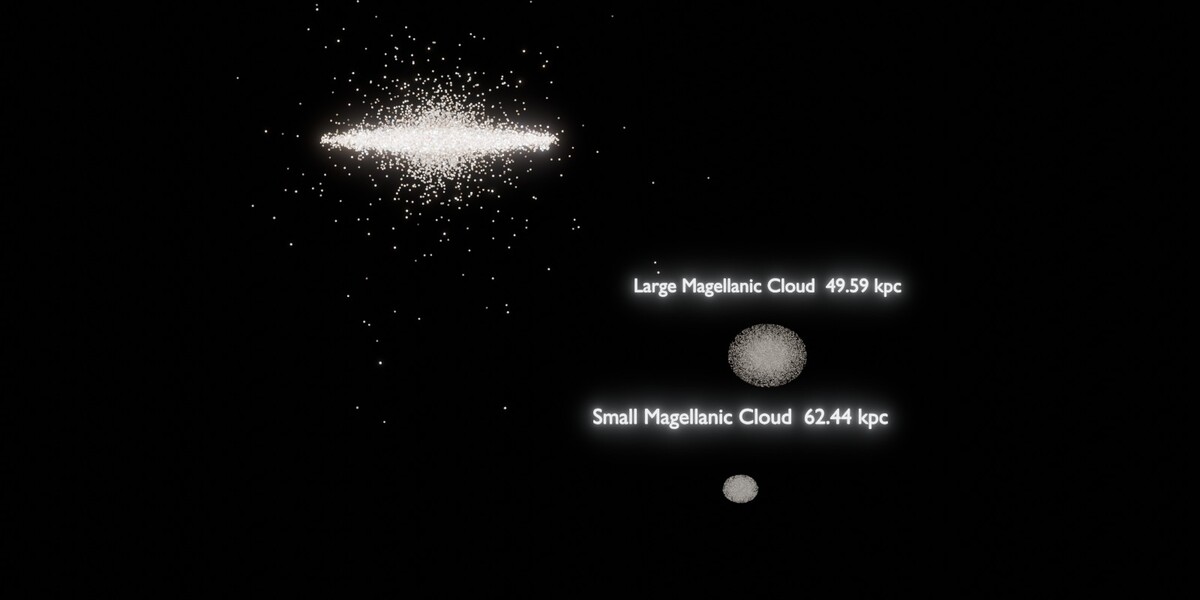
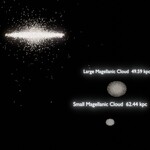
- The Large and Small Magellanic Clouds at their measured distances (49.59 and 62.44 kpc).
- 7 cameras: face-on, edge-on, tilted, bar close-up, view from the Sun toward the centre, the Magellanic Clouds at true scale, and the rotation-curve chart.
- README with what is real and what is not, CREDITS with all references.
What is illustrative (we say it up front)
- This is a statistical model, not a star catalogue: no individual star or nebula is real.
- The drawn length of each arm is extrapolated beyond the maser data, and the stars along them are random.
- There is no dust, so the view from the Sun is not what you would see from Earth.
- The mass model predates Gaia DR2: it matches the measured curve within 3 % inside 10 kpc and runs up to about 14 % above it at 18–21 kpc. The chart shows this.
Who it is for: science communicators, teachers, planetarium and YouTube creators, and anyone who wants a scientifically careful galaxy instead of an artistic one.
Data: Reid et al. 2019; Bland-Hawthorn & Gerhard 2016; McMillan 2017; Eilers et al. 2019; Pietrzyński et al. 2019; Graczyk et al. 2020. Not affiliated with or endorsed by NASA, ESA, the Gaia collaboration or the authors cited.