 Solaris Core — MHD-INT
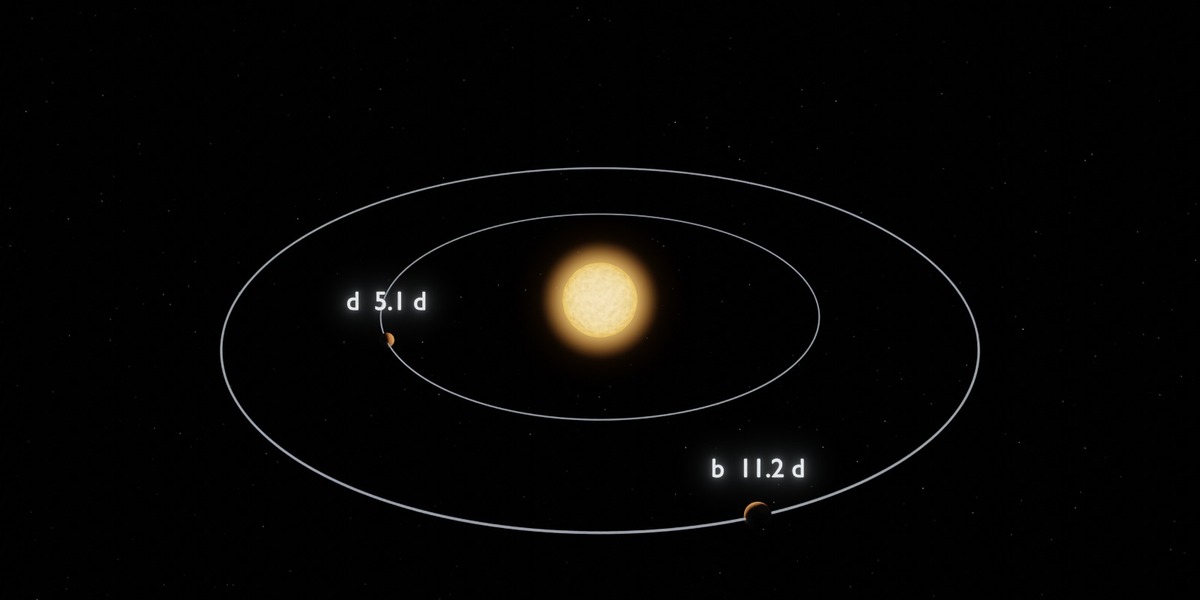
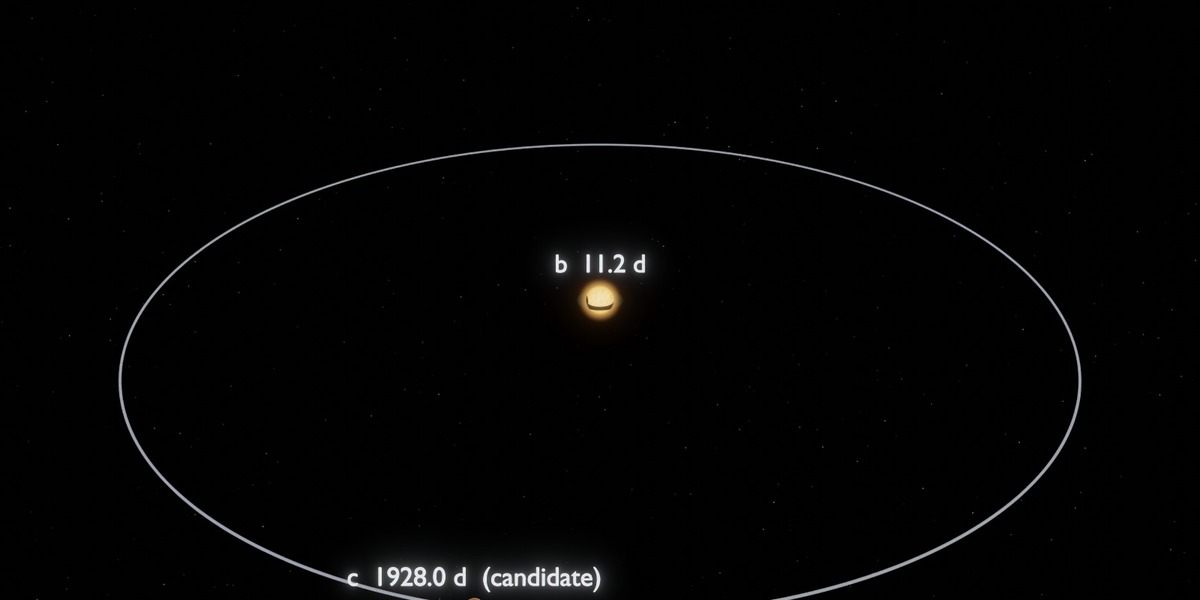
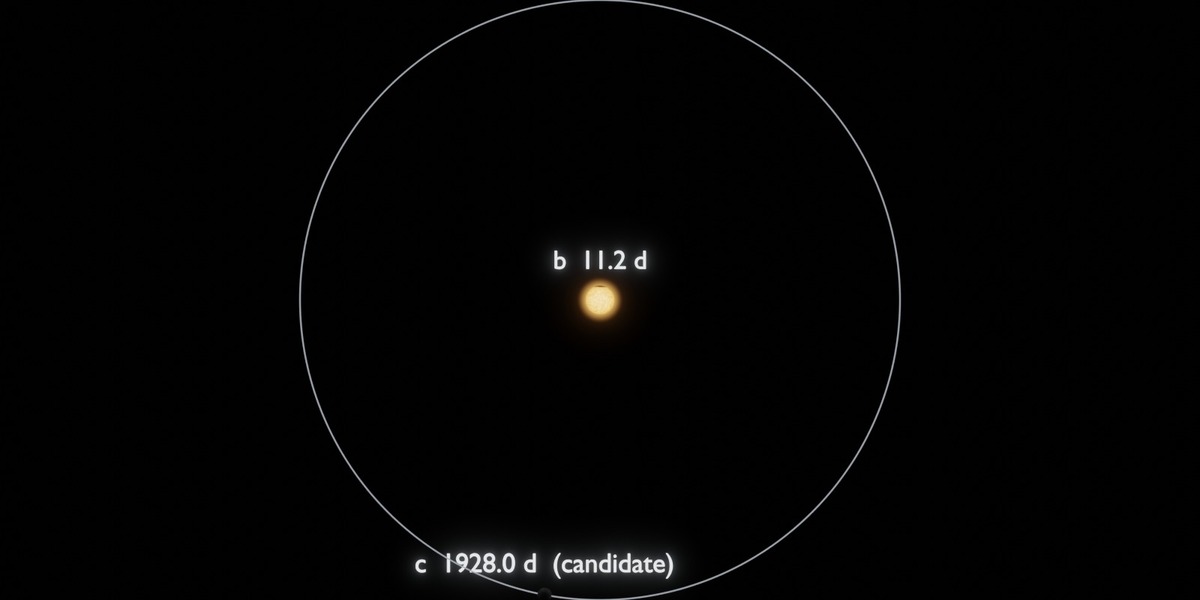
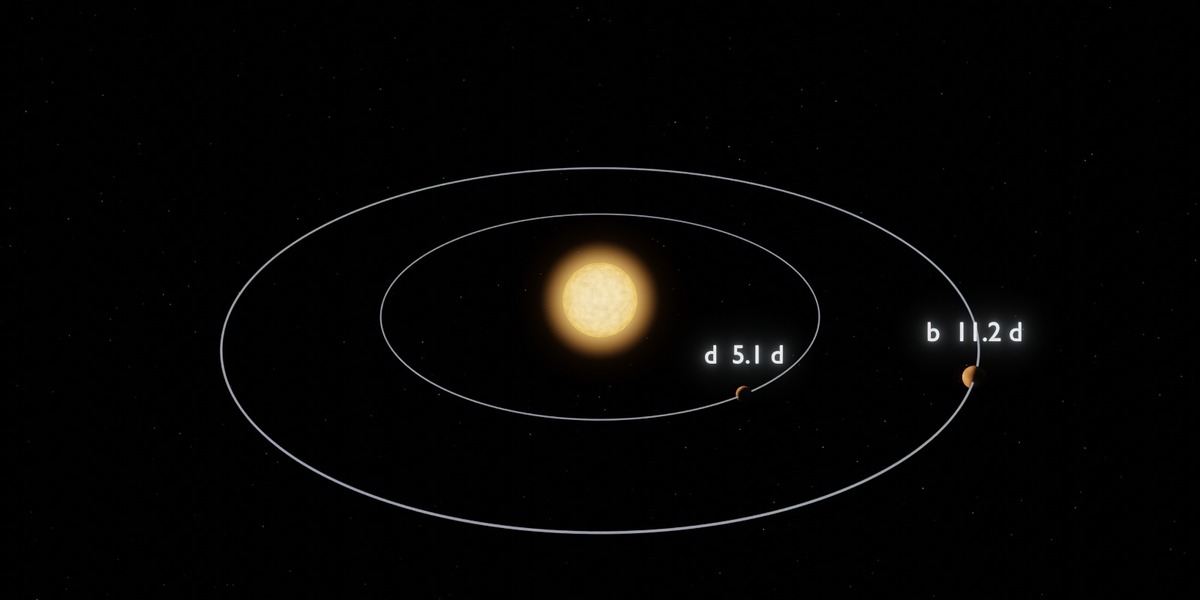
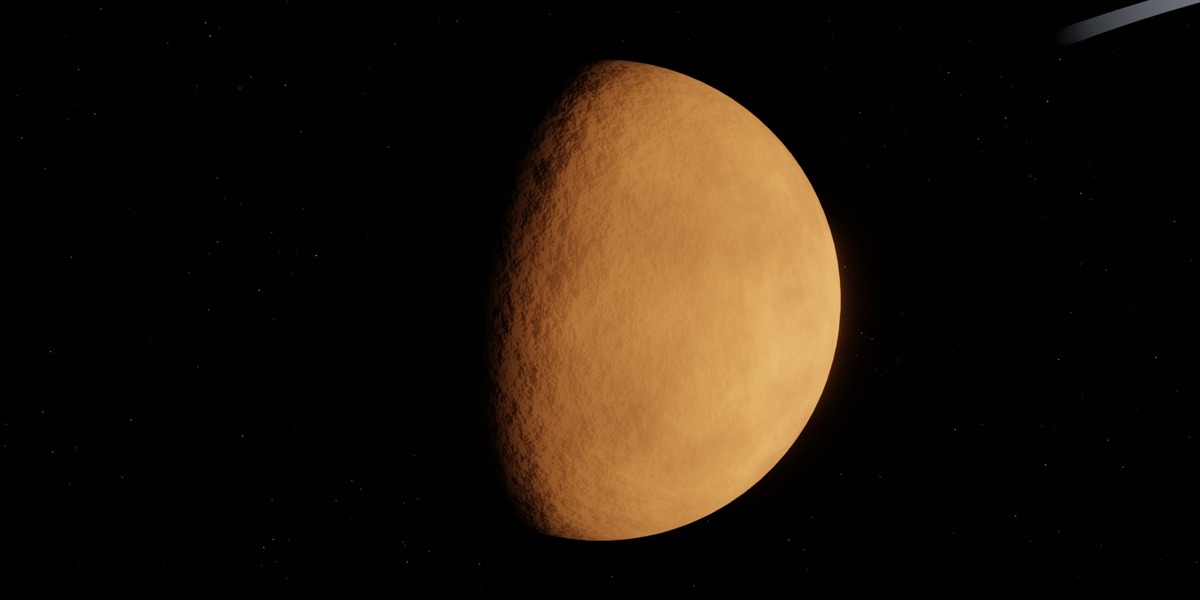
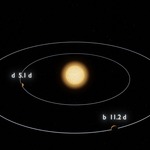
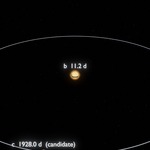
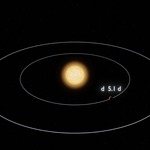
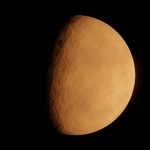
A scientific-looking scene of our nearest neighbour, with every number traceable.
What's included
- Proxima Centauri (red dwarf) and its planets, with orbits from published periods and masses.
- Semi-major axes computed with Kepler's third law from period and stellar mass.
- Radii of non-transiting planets estimated from mass (Chen & Kipping 2017) and labelled as estimates.
- Habitable zone (Kopparapu 2014), equilibrium temperature and insolation computed and shown.
- 6 cameras: general, inner, top and one per planet. Studio or physical lighting, adaptive scale, labels.
- A ready-to-render .blend (Cycles) with the script embedded, plus the script itself so you can change any setting and rebuild.
- README with what is real and what is not, CREDITS with all references.
What is illustrative (we say it up front)
- Planet c is a candidate, not a confirmed planet; the scene says so.
- Planet surfaces are illustrative; no real image of these planets exists.
- Radii are estimates from minimum mass. Orbits are circular and coplanar, with random starting phases.
Who it is for: science communicators, teachers, YouTube creators, and anyone who wants an honest picture of the closest planetary system.
Data: Faria et al. 2022; Suárez Mascareño et al. 2025; Damasso et al. 2020. Not affiliated with or endorsed by NASA.