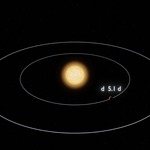
MHD-Int Proxima Centauri System — Planets B, D and Candidate C With the Habitable Zone
 Solaris Core — MHD-INT
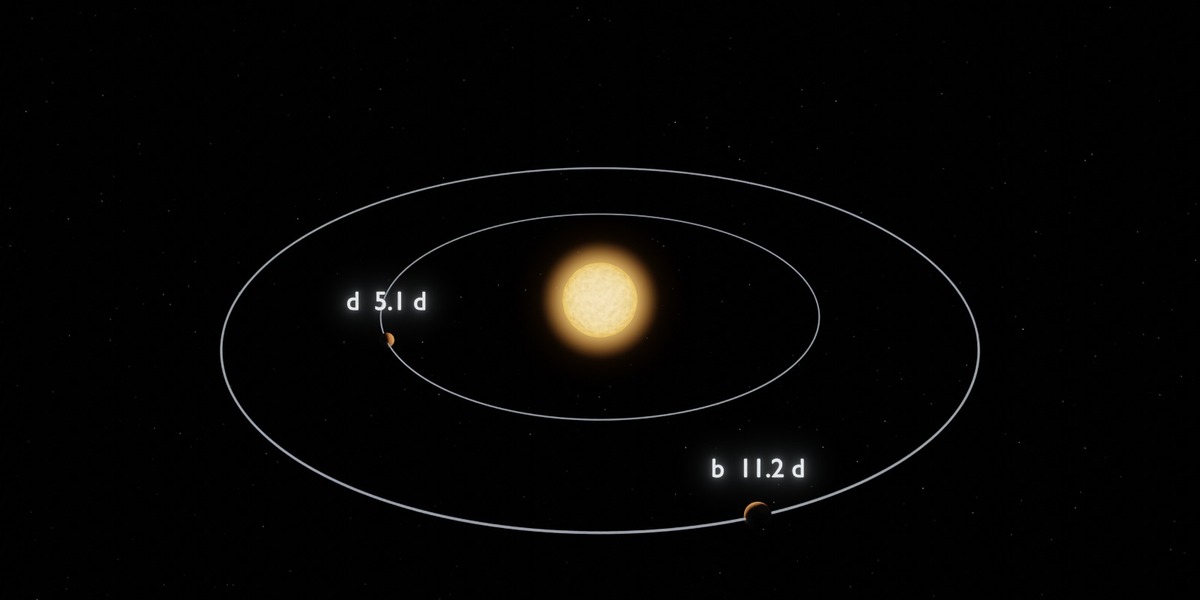
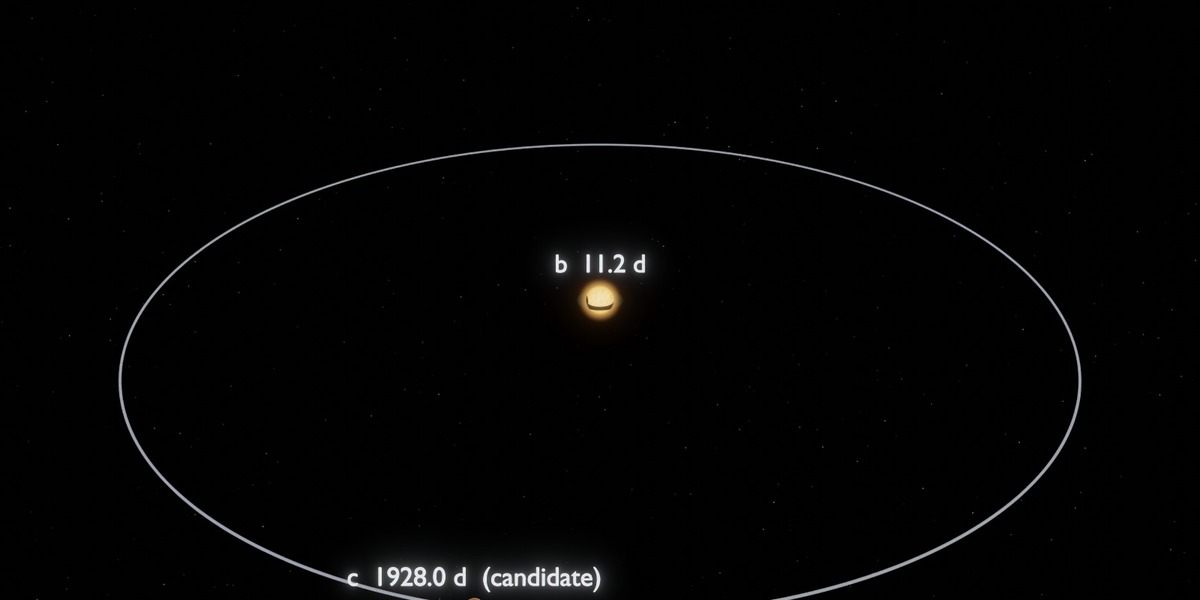
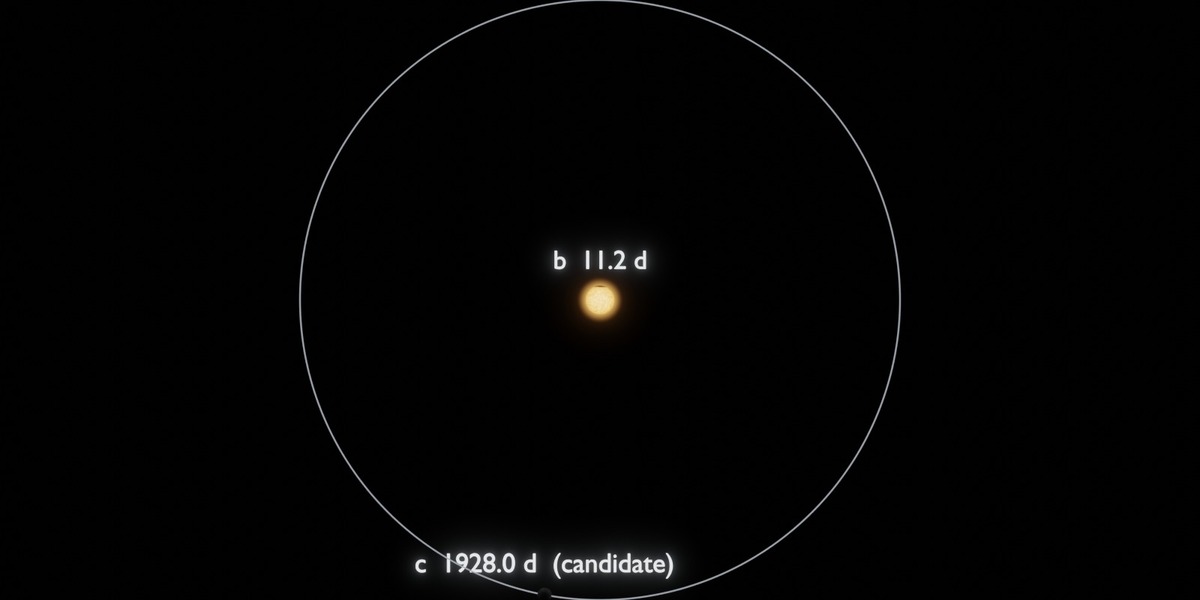
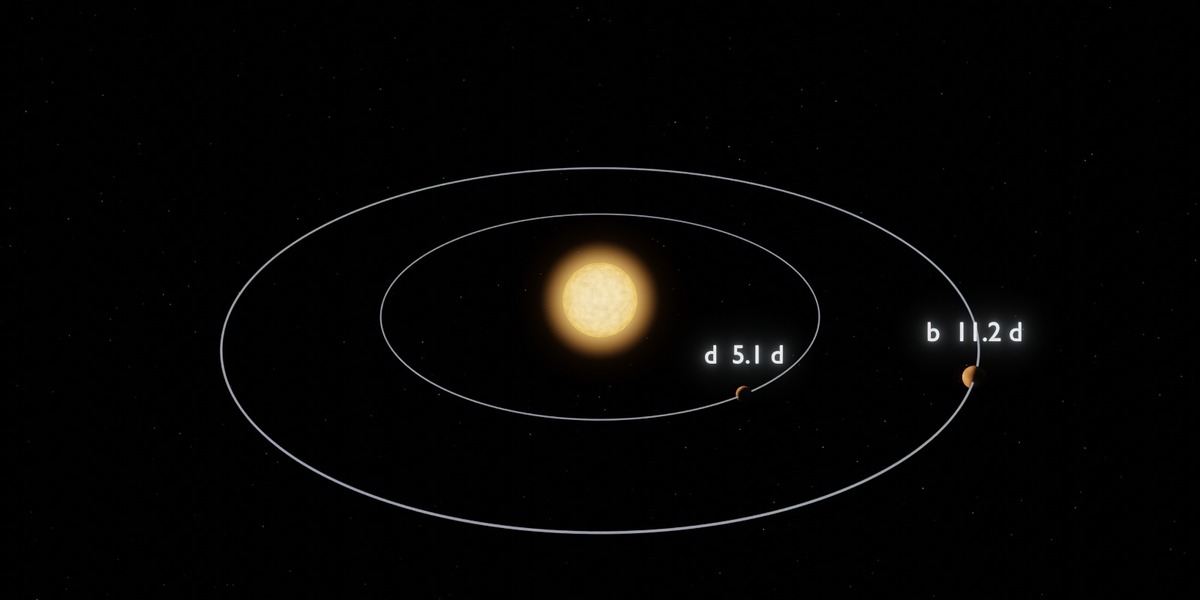
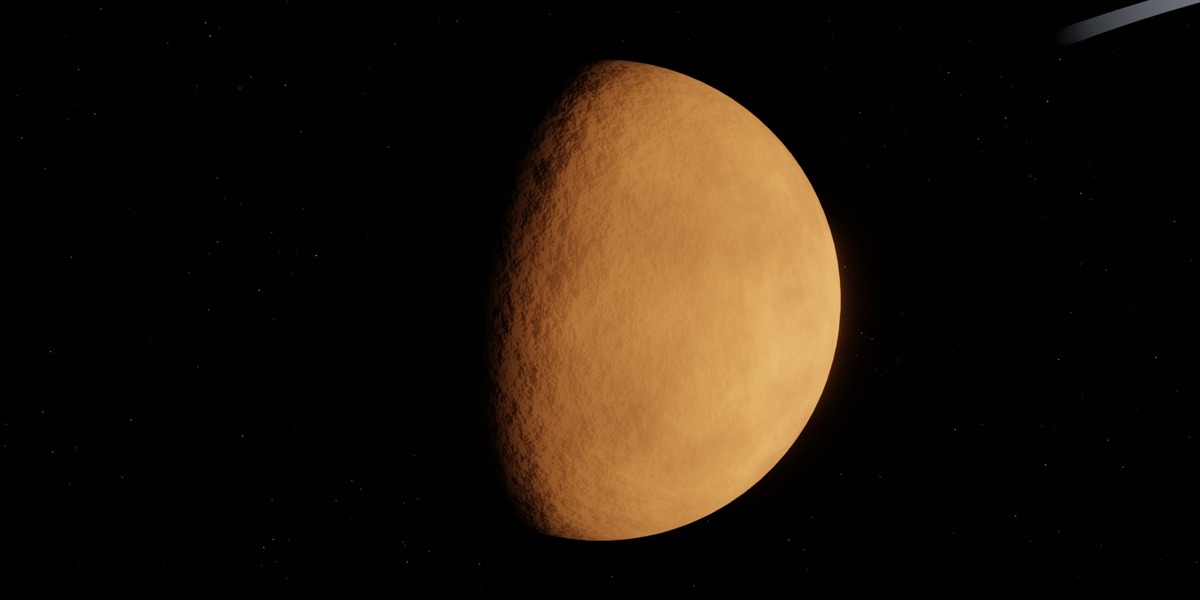
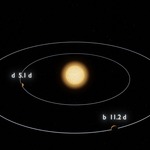
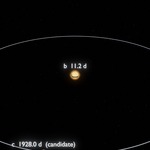
Requirements: Blender 4.2 LTS or newer. Scene generation and Cycles renders tested on 4.2 and 5.0.1. EEVEE has not been tested. Uses numpy, which is bundled with Blender. 8 GB RAM recommended.
Quick start (no scripting):
- Unzip the download.
- Open ProximaCentauri_MHDINT.blend.
- Press F12 to render the current frame, or Ctrl+F12 to render the animation.
Change the camera: go to the Scripting tab (the script is already open inside the .blend), set ONLY_SWITCH_CAMERA = "b" and press Alt+P. This does not rebuild the scene: it switches the camera and shows the objects that belong to that view. Camera keys: general, inner, top, d, b, c.
Rebuild with your own settings:
- In the Scripting tab, edit the settings at the top of proxima_centauri_v2.0.py. The main ones: the duration and speed of the animation, lighting, labels, orbit lines, RESOLUTION (all with comments in the file).
- Set ONLY_SWITCH_CAMERA = None and press Alt+P. The scene is rebuilt from scratch.
Read the data: select an object named MHDINT_… and open Object Properties → Custom Properties. Values carry their source and say whether they are measured, computed or illustrative.
Performance: rebuilding takes a few seconds. At the default 1920×1080 and 128 samples a Cycles frame takes several minutes on a CPU and much less on a GPU; lower the samples for quick drafts.
Have questions about this product?
Login to message
| Published | 11 days ago |
| Blender Version | 4.2 - 5.0 |
| Render Engine Used | Cycles |
| License | GPL |
Discover more products like this
astronomy Science procedural exoplanet habitable zone red dwarf education space proxima centauri