MHD-Int Outer Solar System — Dwarf Planets, Kuiper Belt, Halley and the Oort Cloud
 Solaris Core — MHD-INT
Where do the numbers come from?
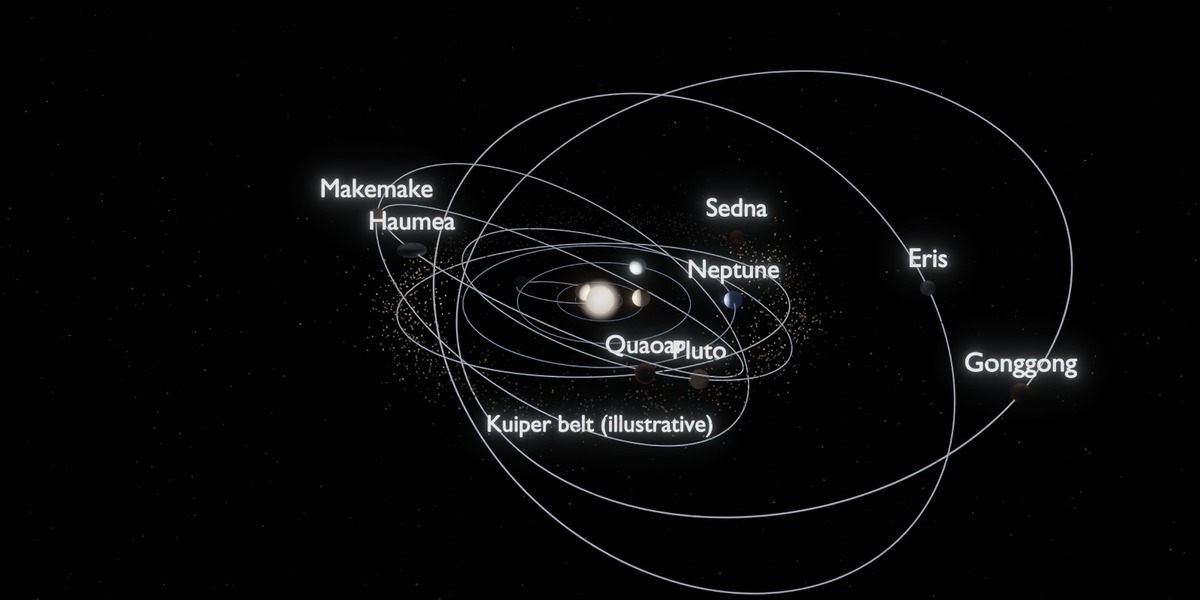
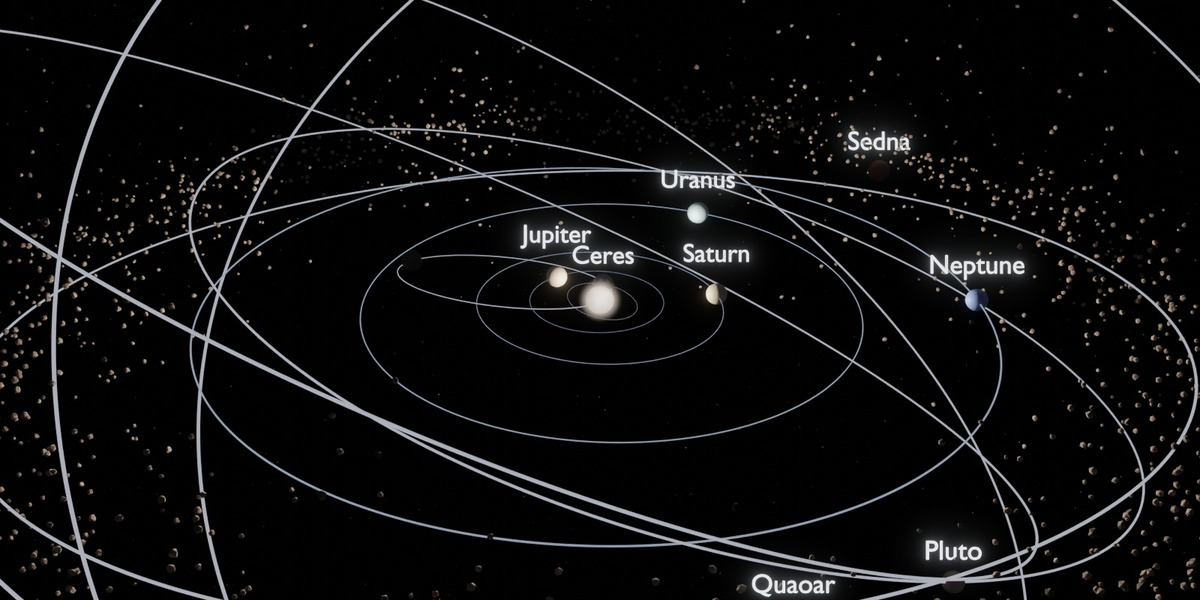
NASA/JPL Small-Body Database (queried October 2026), JPL approximate planetary positions (Standish), NASA Planetary Fact Sheet. Full list in CREDITS.md.
Which Blender version do I need?
Blender 4.2 LTS or newer. Older versions (3.x) are not supported.
Does it work with EEVEE?
It has only been tested with Cycles. Materials and lighting were tuned for Cycles.
Can I use the renders commercially?
Yes. Images, animations and scenes you create are yours, including for commercial projects. The script itself is GPL-3.0-or-later.
Do I need an add-on?
No. Everything is procedural and generated by the included script; no add-on and no external textures are required.
Can I see Halley at its 1986 perihelion?
Yes. Set the start date to 1986-02-09 and rebuild.
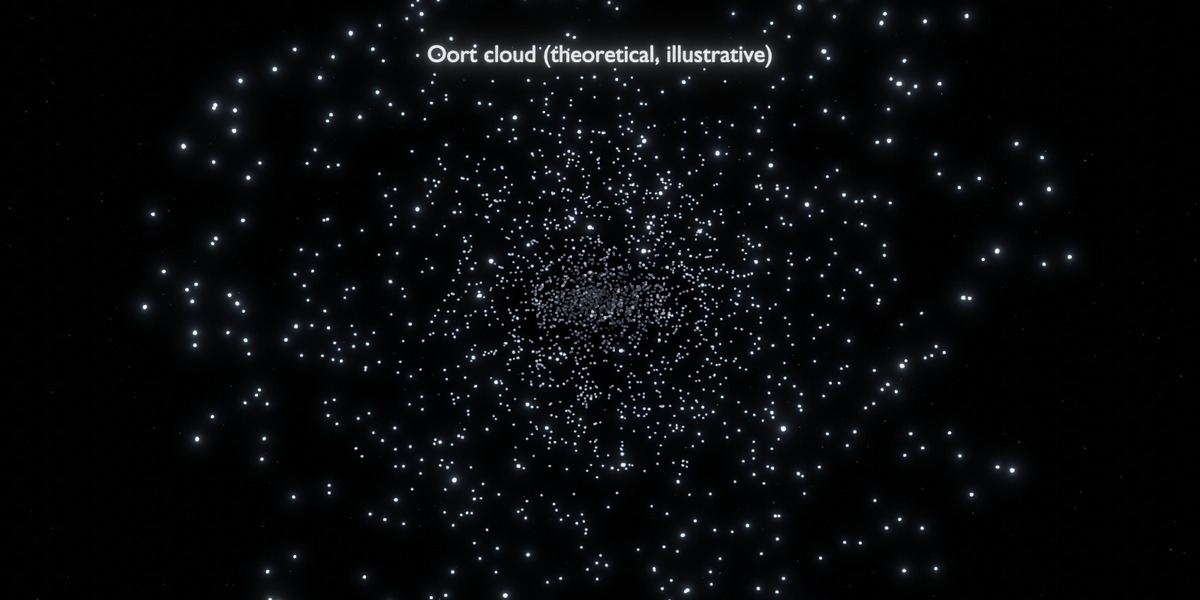
Is the Oort cloud real?
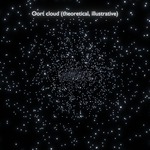
It has never been observed. It is drawn as a schematic and labelled as theoretical.
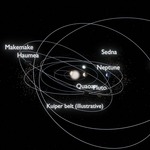
Are the Kuiper-belt objects real?
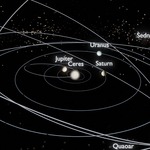
No. They are random draws from the real structure of the belt, not individual real objects.
Are the positions real?
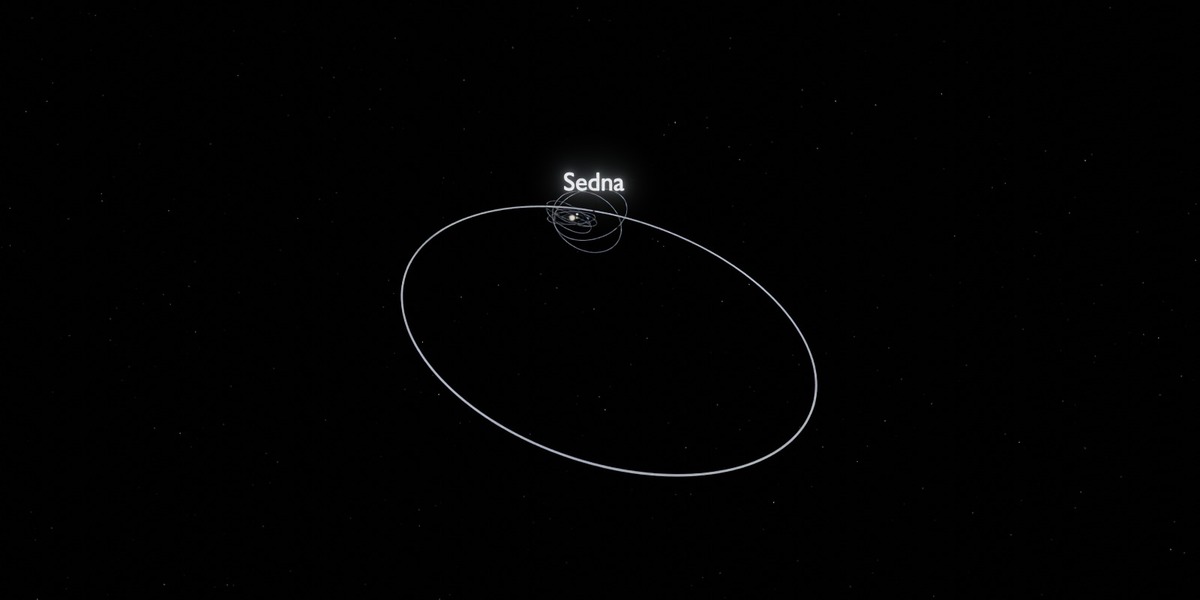
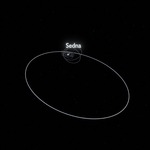
Yes, for the named bodies: they use JPL orbital elements for the chosen date. Halley's date can be off by months because the script uses a two-body orbit.
Have questions about this product?
Login to message
| Published | 12 days ago |
| Blender Version | 4.2 - 5.0 |
| Render Engine Used | Cycles |
| License | GPL |
Discover more products like this
sedna Pluto dwarf planets eris astronomy space comet halley Science outer solar system oort cloud kuiper belt education