 Solaris Core — MHD-INT
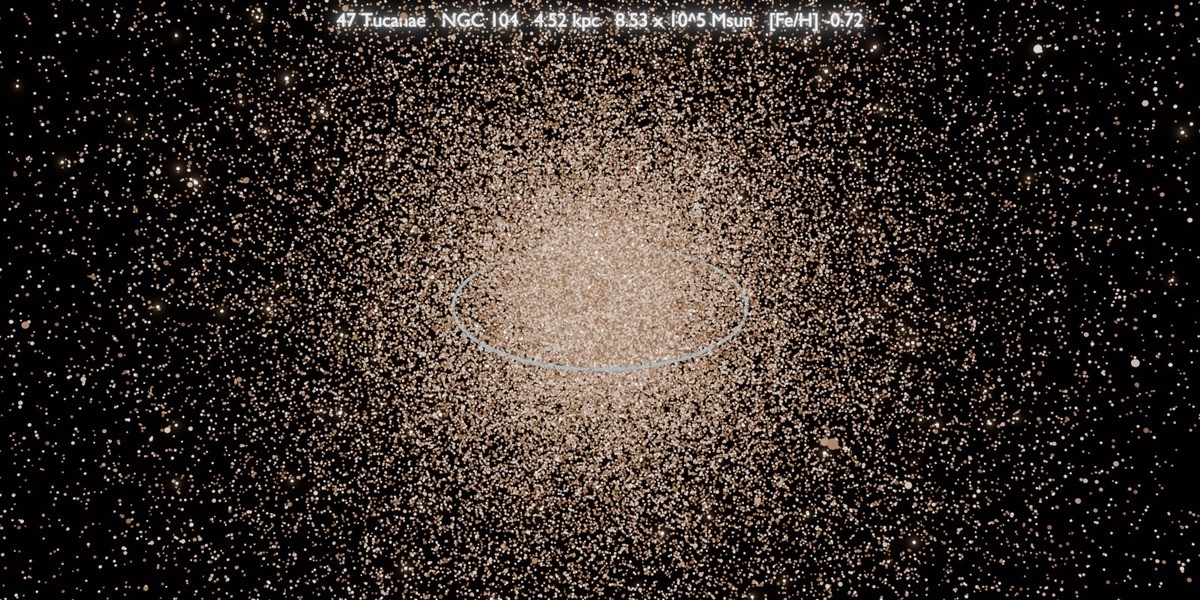
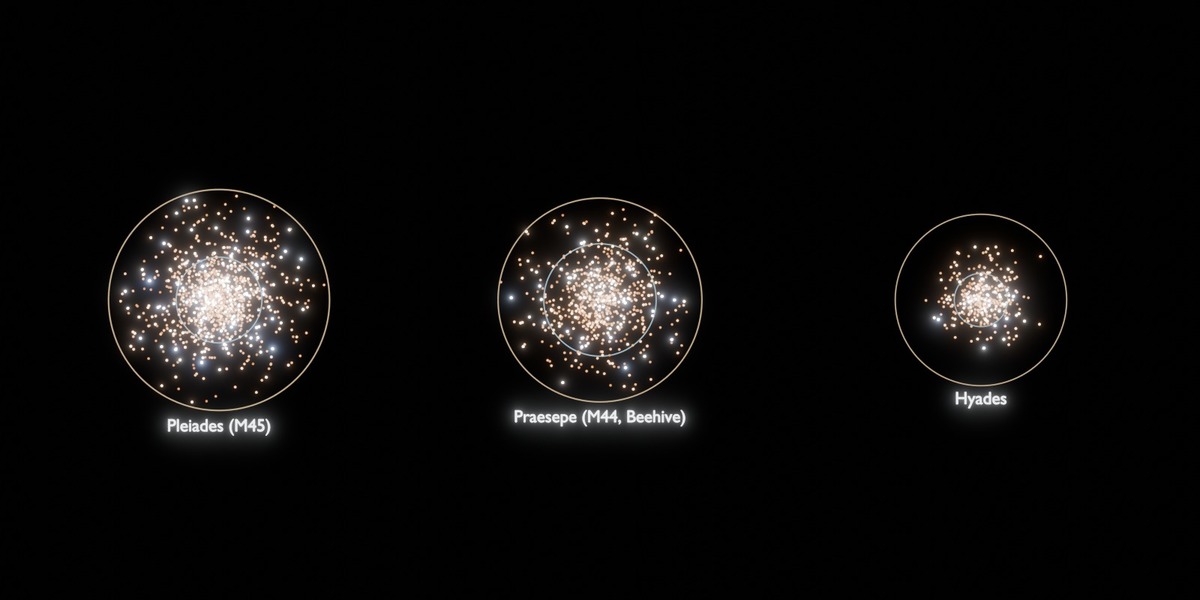
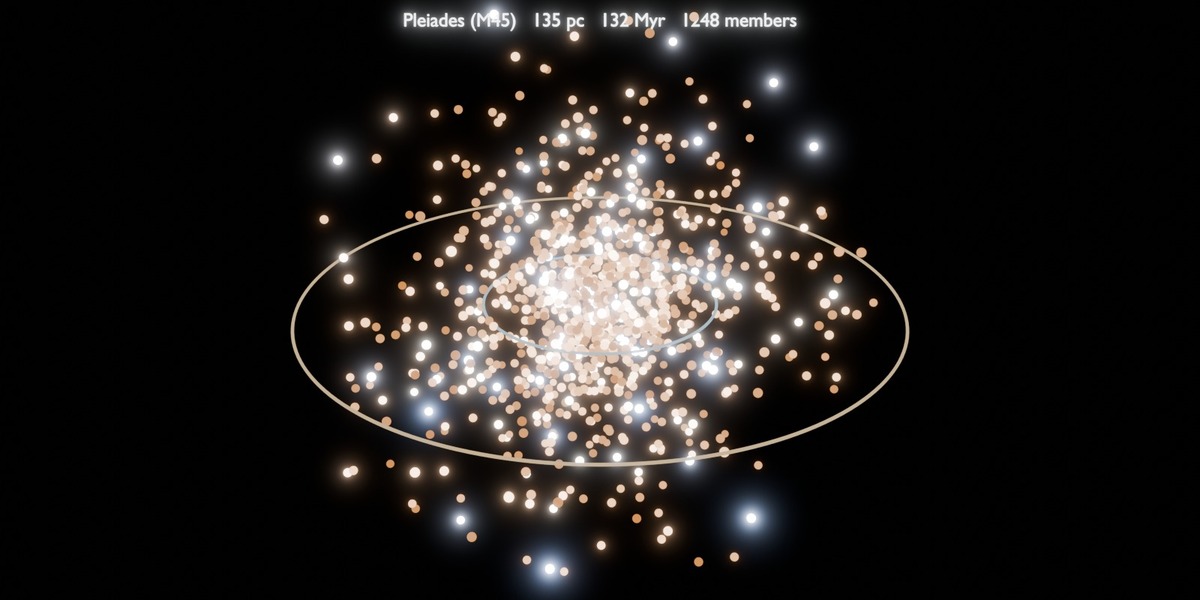
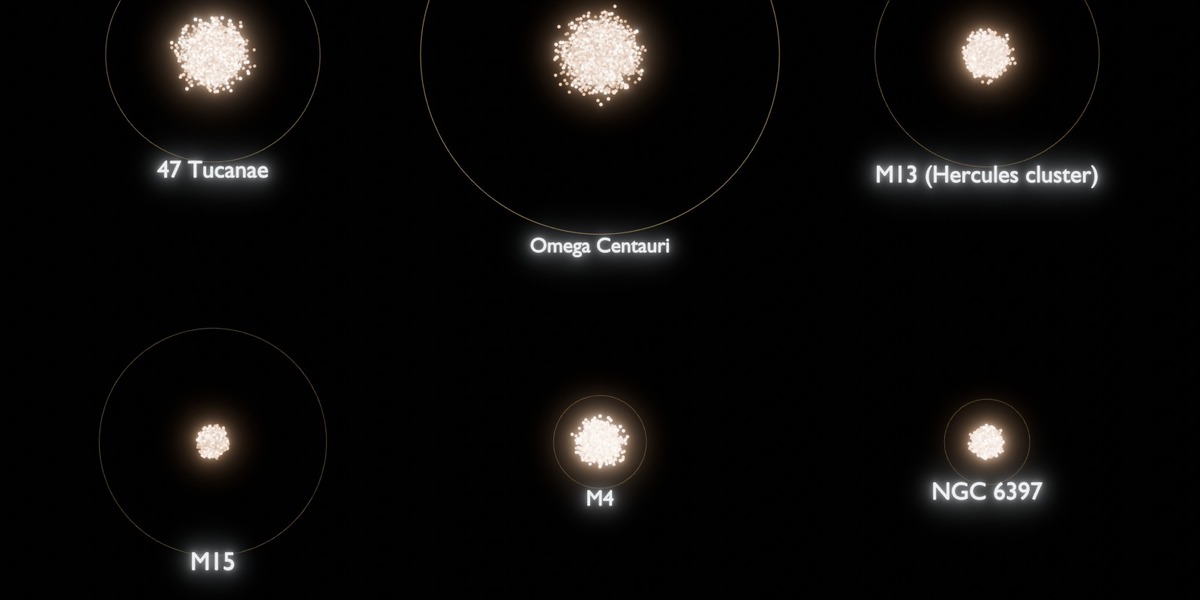
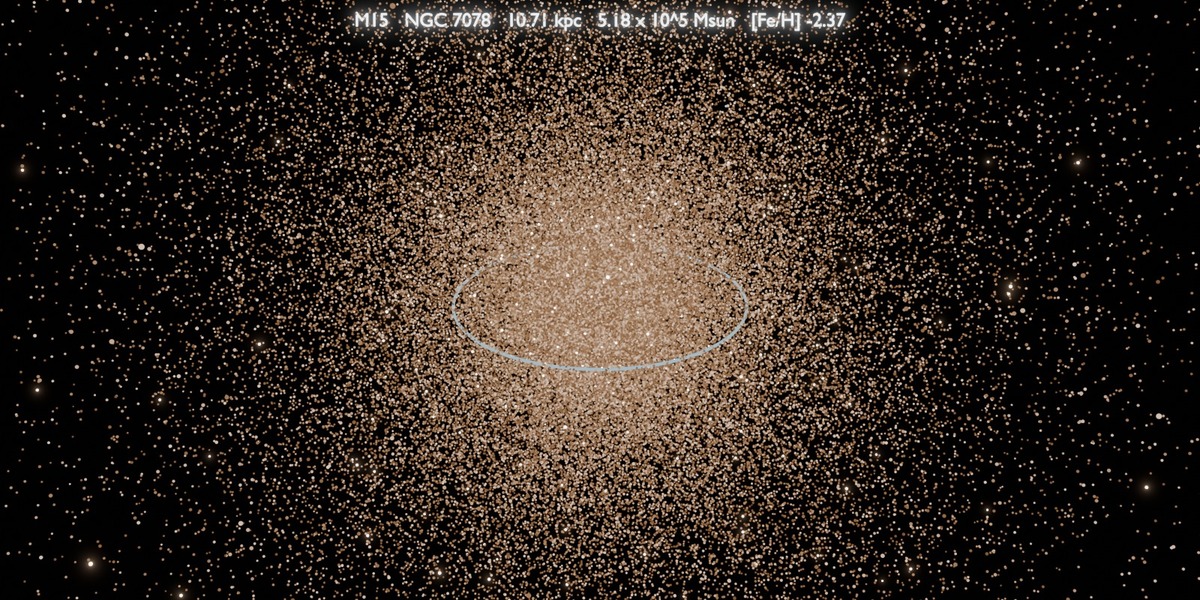
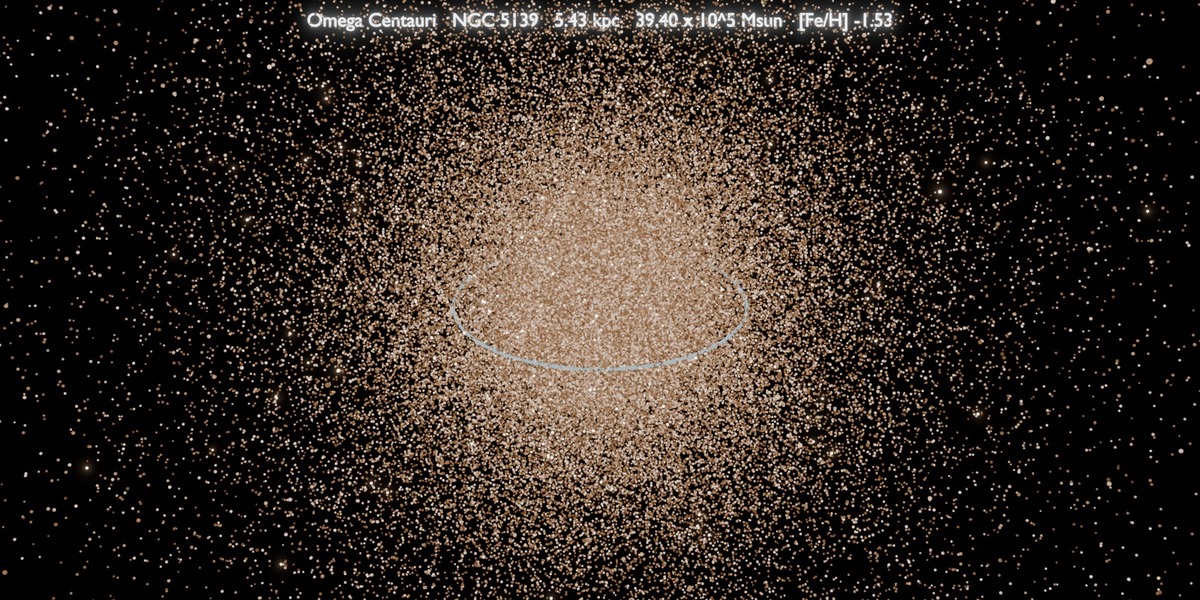
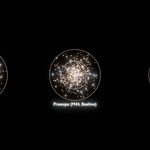
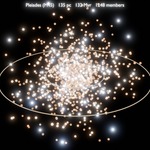
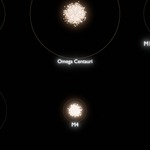
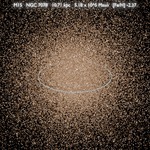
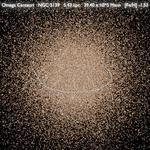
Nine star clusters built from the numbers astronomers measured, not from a picture: 47 Tucanae, Omega Centauri, M13, M15, M4, NGC 6397, the Pleiades, Praesepe and the Hyades. The star positions follow a King density profile fixed by each cluster's measured core and half-mass radii; the star masses follow its measured mass function.
What's included
- Globular clusters from the Baumgardt & Hilker table (distance, mass, core, half-mass, half-light and tidal radii, mass-function slope) with [Fe/H] from Harris.
- Open clusters from Lodieu et al. 2019 (Gaia DR2): distance, member count, core and tidal radii, age.
- Computed from those numbers: the King model, the approximate number of stars (up to millions per globular), the turn-off mass.
- An orbiting camera for each cluster (24 s turn) and two line-up cameras (globulars, open clusters) with half-mass and tidal rings.
- A table in the README that compares what the model reproduces with what it does not (the tidal radius, core-collapsed clusters).
- Everything labelled in the Custom Properties as real, computed or illustrative.
- A ready-to-render .blend (Cycles) with the script embedded, plus the script itself so you can change any setting and rebuild.
- README with what is real and what is not, CREDITS with all references.
What is illustrative (we say it up front)
- This is a statistical model, not a star catalogue: no individual star is real. Each rendered point stands for between about 1 and 80 real stars.
- Colours and brightness are for show; all globulars share one age (12 Gyr) for the turn-off. Blue stragglers, binaries, mass segregation, rotation, tidal tails and the multiple populations of Omega Centauri are not modelled.
- Core-collapsed clusters (M15, NGC 6397) are drawn with the measured radii but not their true central cusp.
- Nothing moves except the cameras.
Who it is for: science communicators, teachers, planetarium and YouTube creators, and anyone who wants to compare real cluster sizes and masses side by side.
Data: Baumgardt & Hilker; Harris; Lodieu et al. 2019 (Gaia DR2). Not affiliated with or endorsed by NASA or ESA.