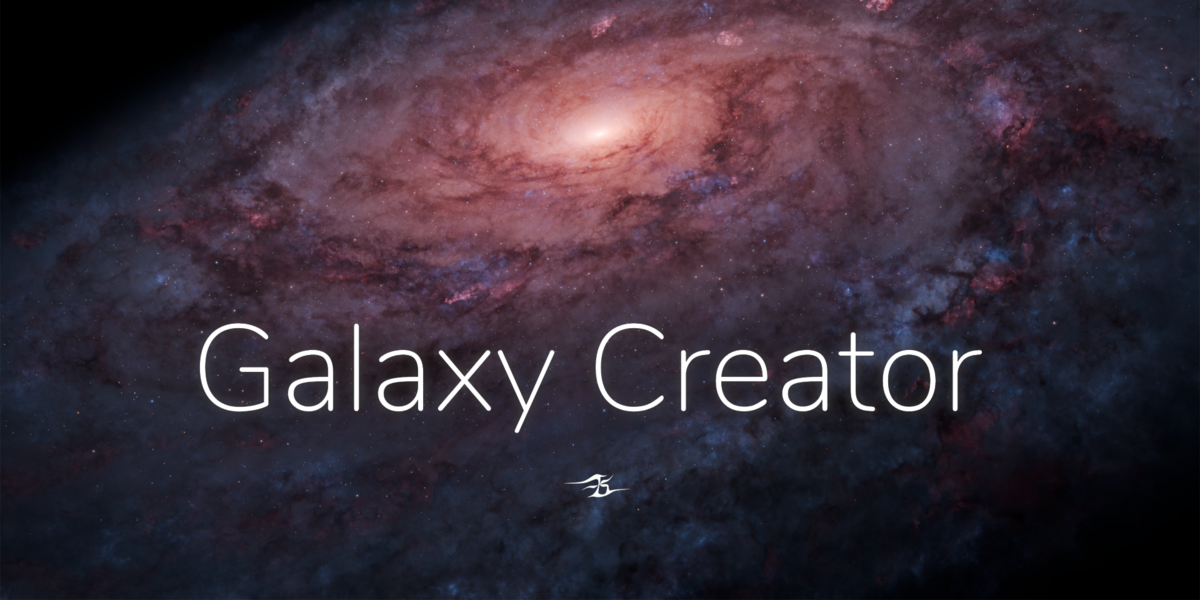
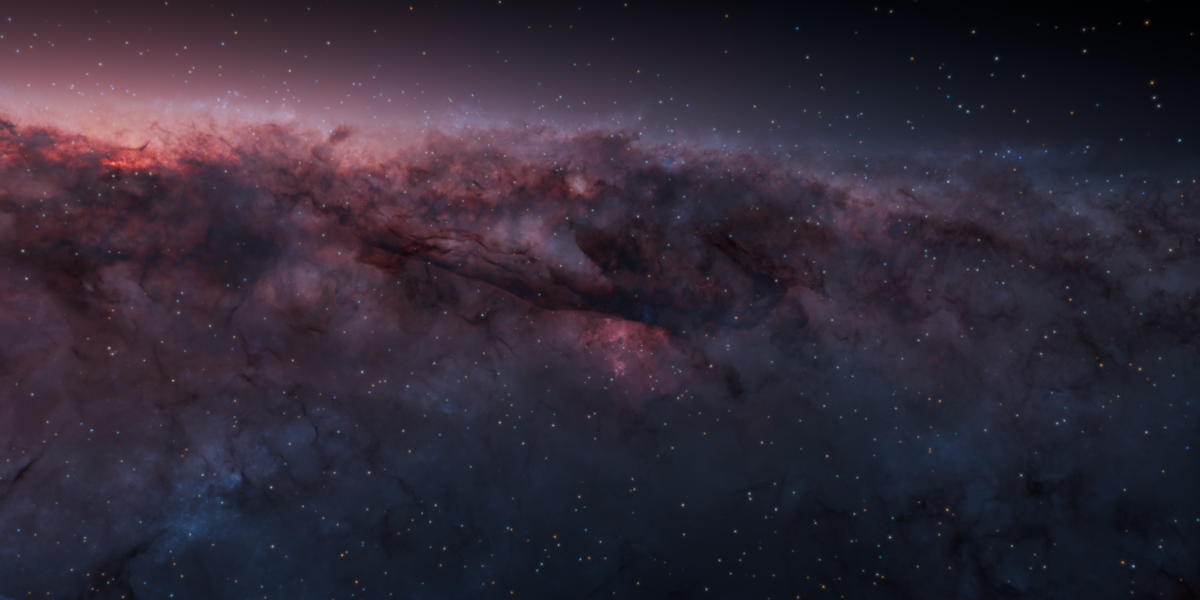
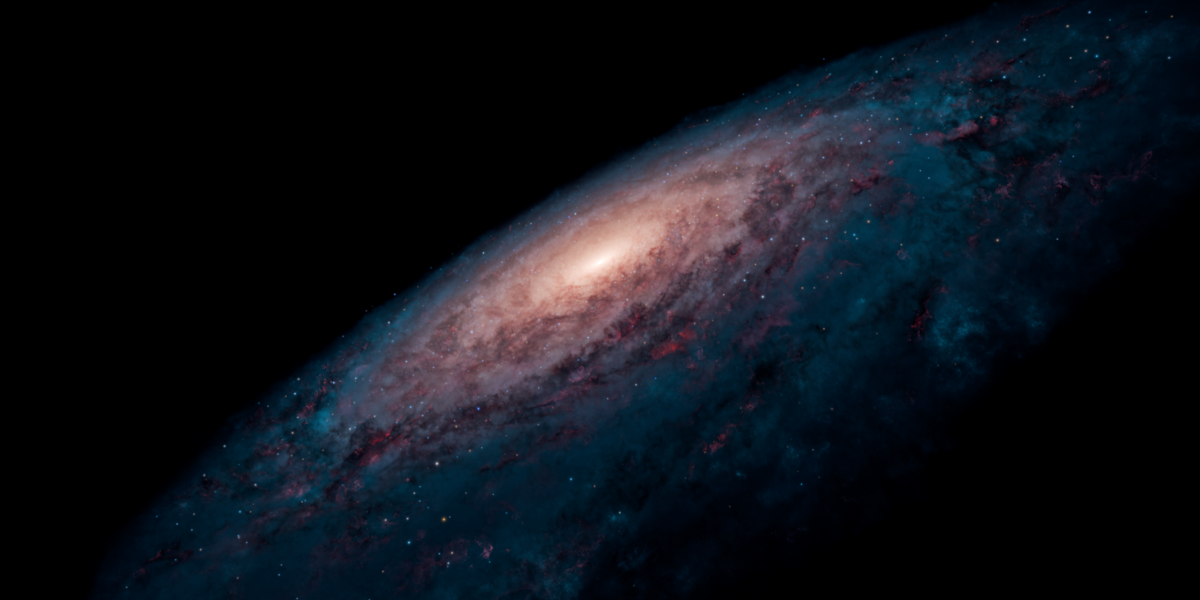
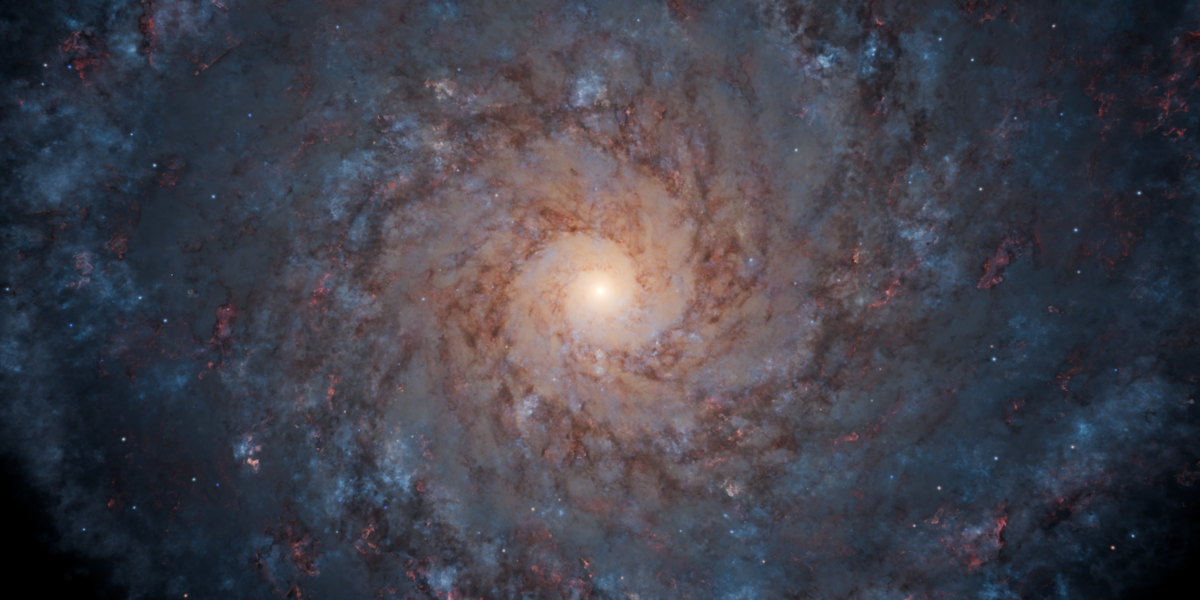
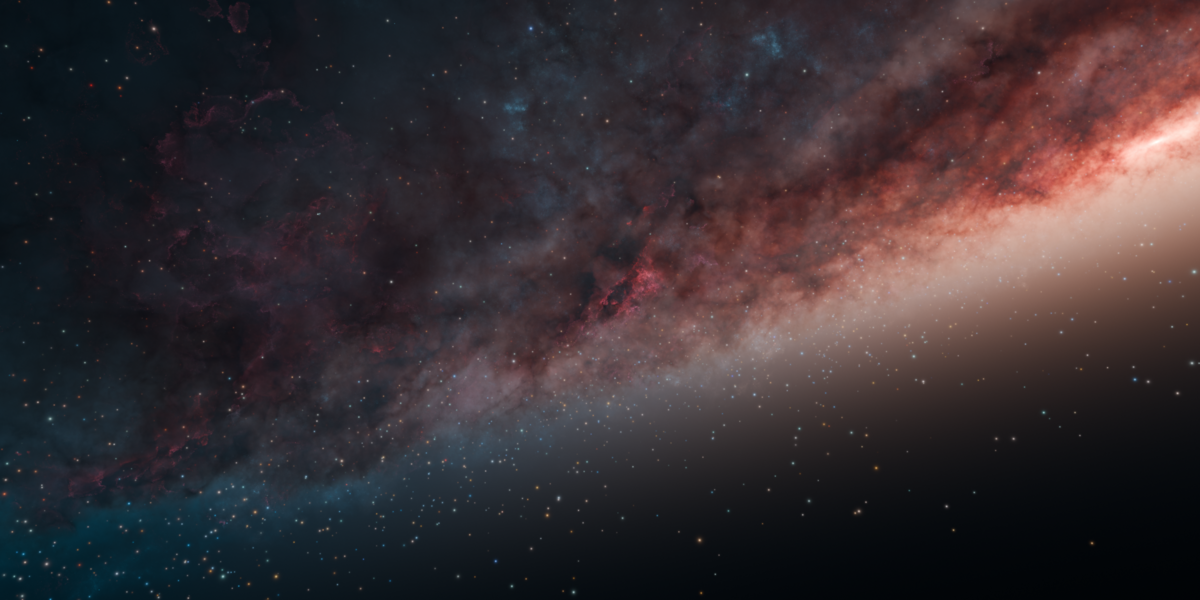
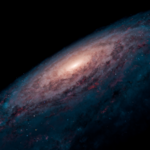
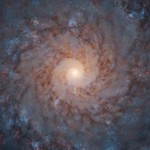
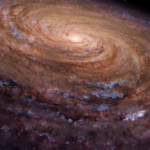
Galaxy
Creator
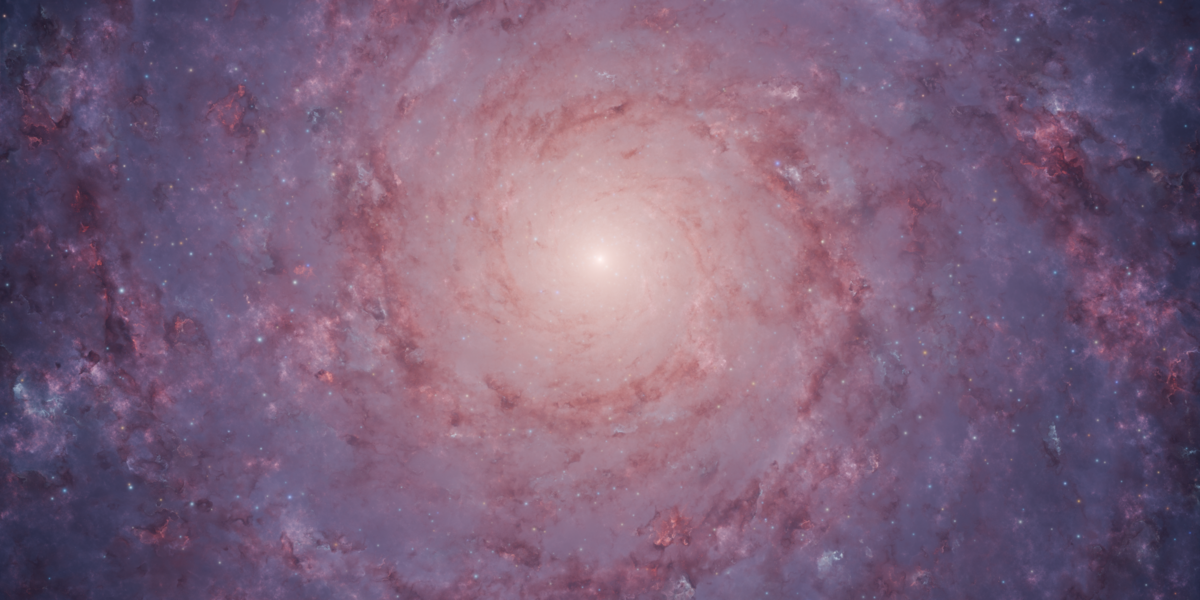
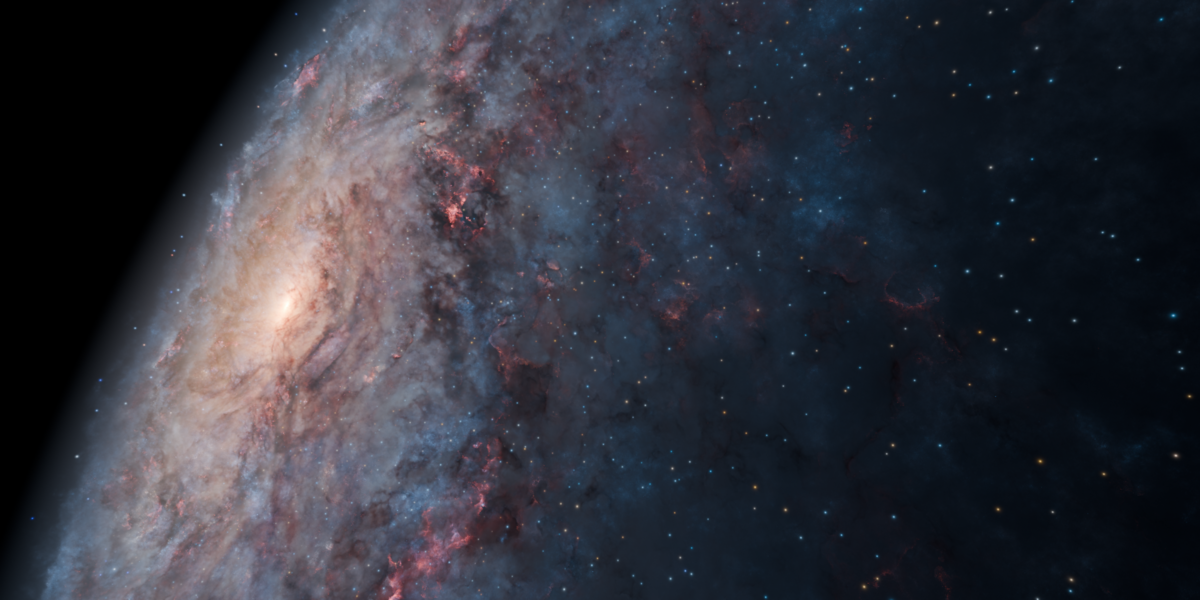
Showcase
Overview
With
a robust set of parameters and an unorthodox algorithm of noise
manipulation, this tool allows creators to quickly assemble
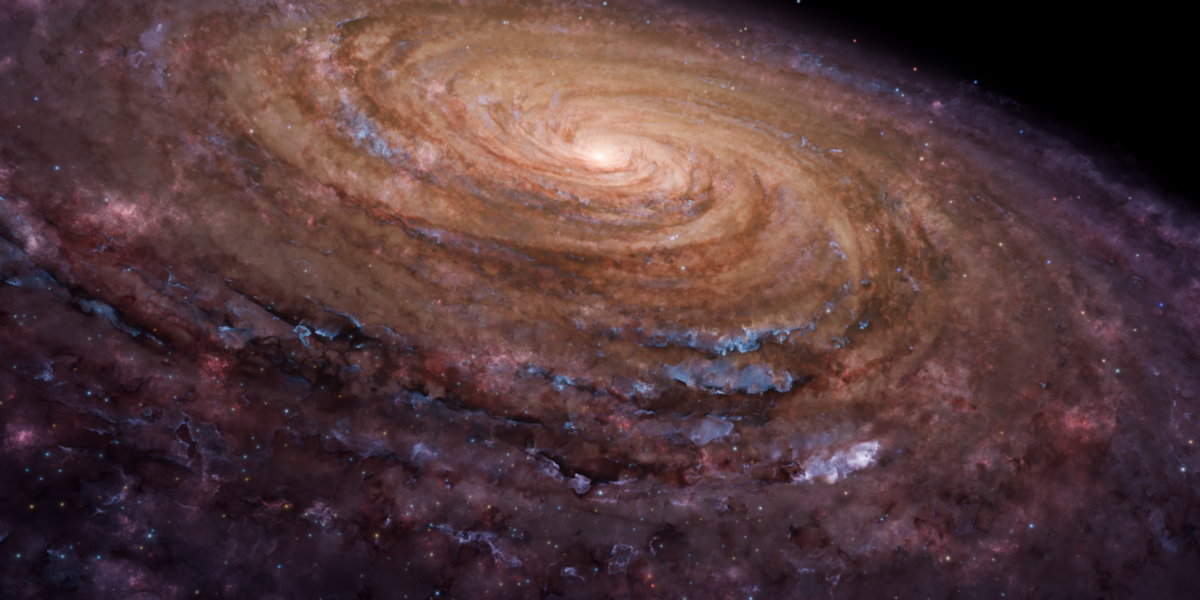
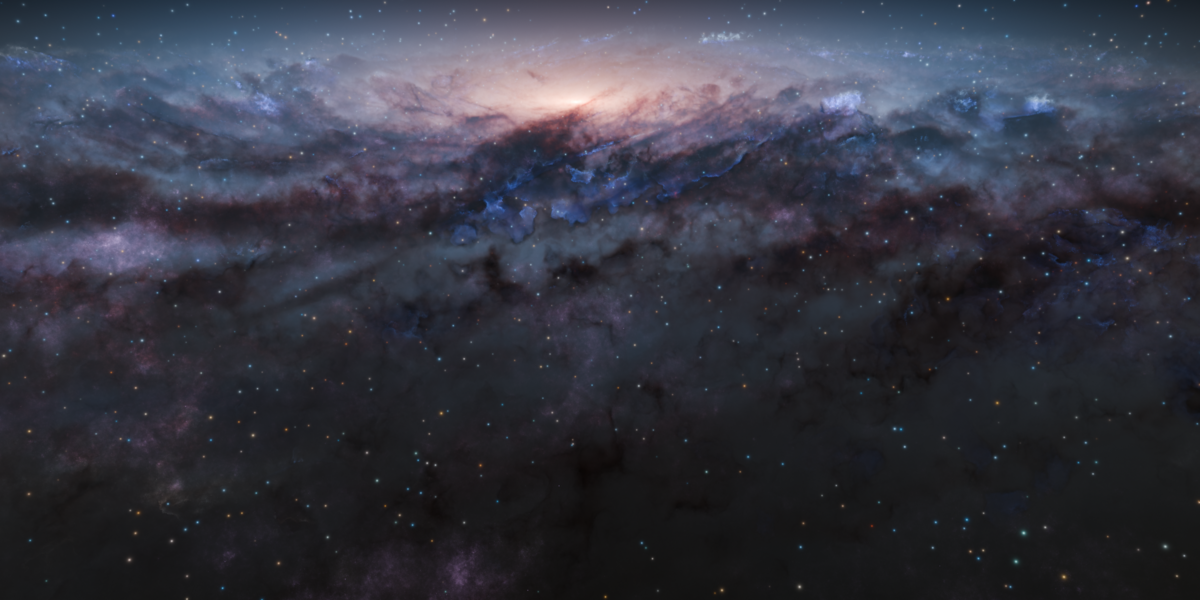
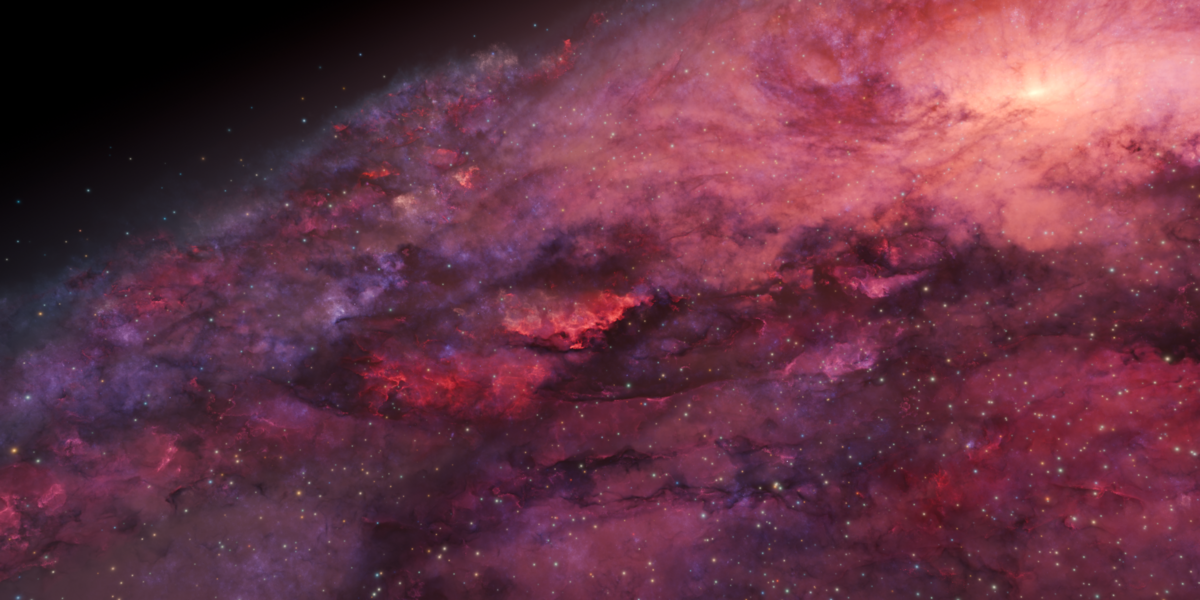
volumetric galaxies. By controlling stars, bright filaments and dark
clouds, and combining the power of noise chains with several math
expressions, the galaxy creator opens endless aesthetic
possibilities.
The 2026 Update
The 2026 release is a major upgrade involving all aspects of this addon. With the new version, several limitations of the original have been overcame, while every other aspect has been upgraded:
- A brand-new material, with simplified parameters and enhanced details.
- Faster rendering times.
- Full Compatibility with EEVEE and Cycles.
- New Starfield Object with built-in Level of detail (LOD) and Camera culling optimization.
- More versatile system that allows custom coordinate systems.
- Compatibility with Blender 5.2+.
Features and functionalities
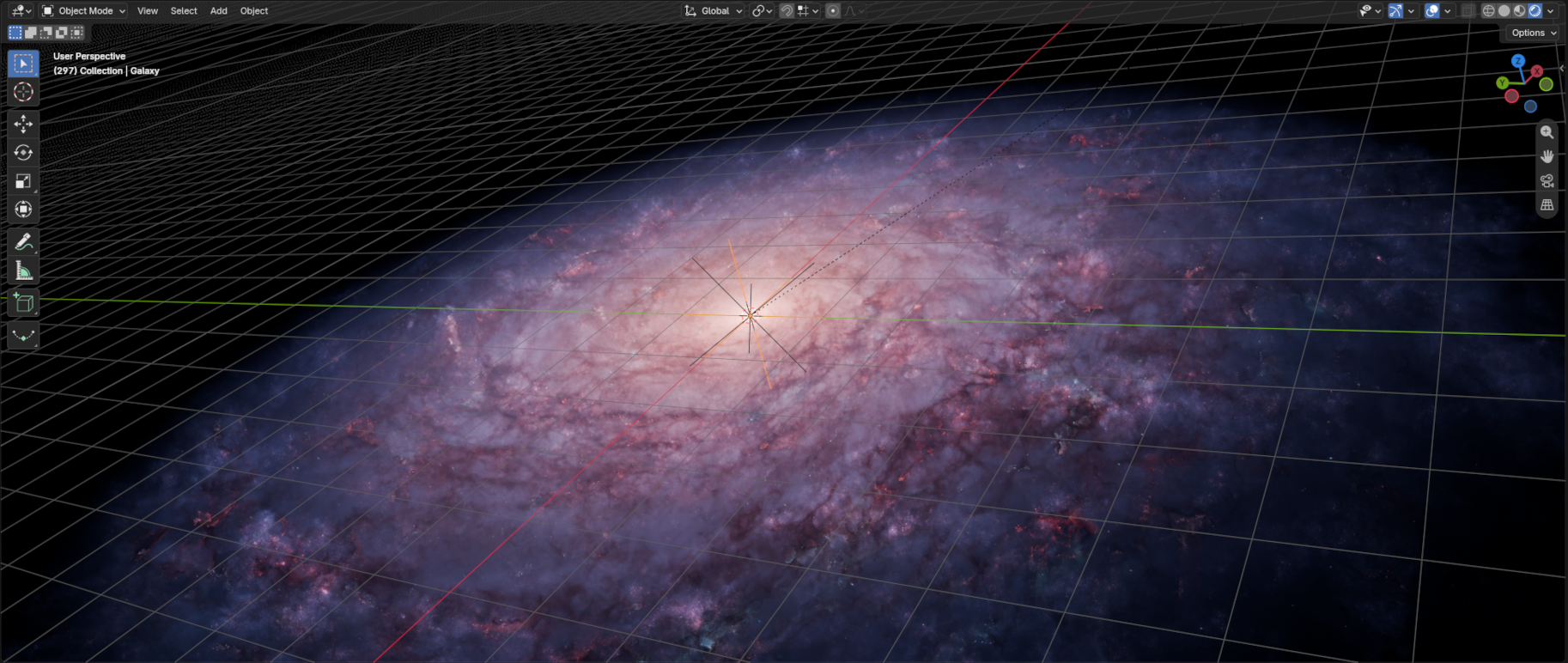
Galaxies comprise by default three objects:
- Volume: this is the mesh supporting the volumetric shader.
- Starfiled: this object supports the geometry node graph used to create stars.
- Galaxy: this is the root object, containing the previous two. It can be moved around the scene, scaled and rotated, so that the entire bundle stays consistent and stays together.
The Galaxy as sum of components
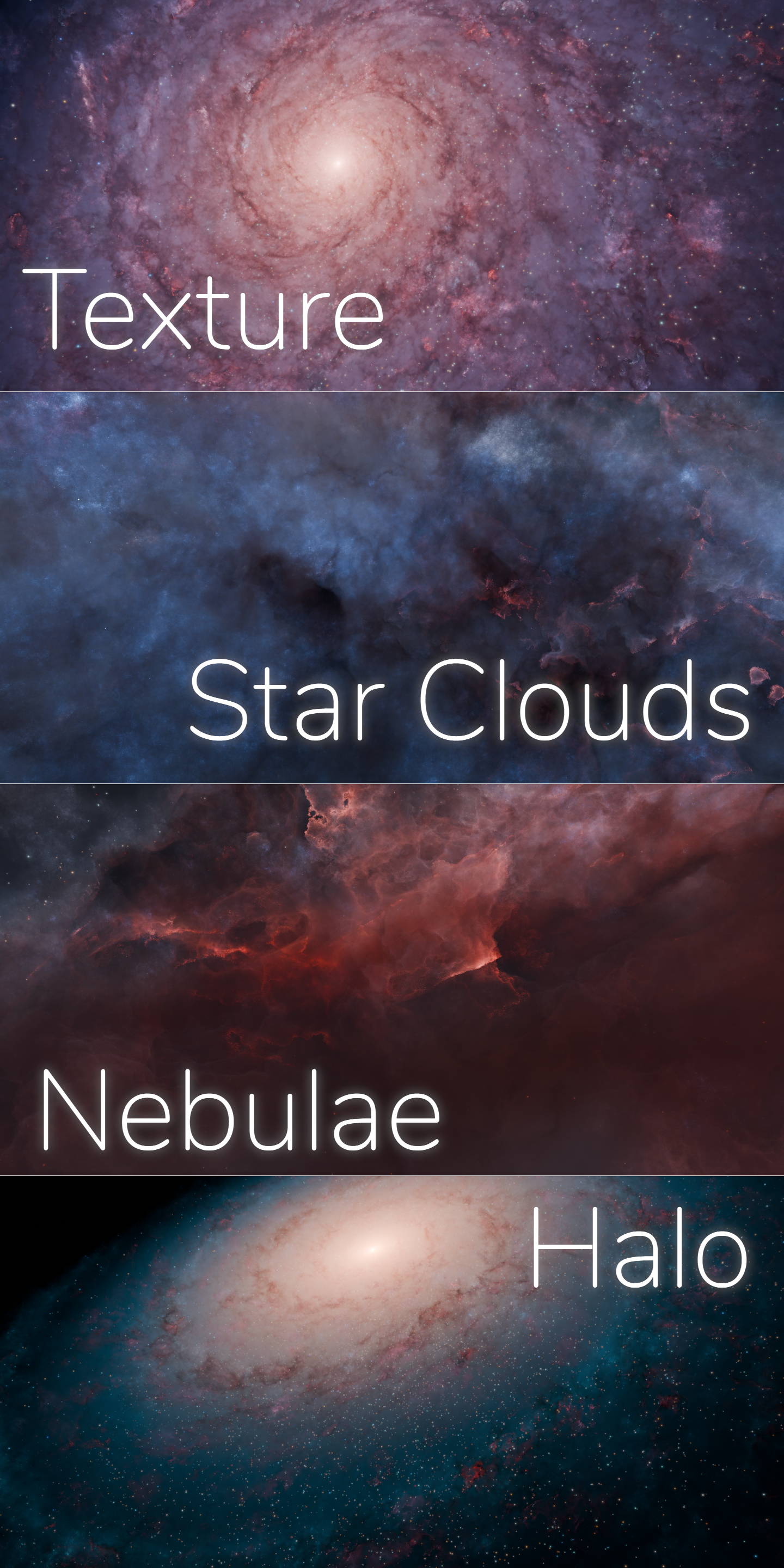
The volumetric shader is organized around a set of components which can be edited separately from one another. Each component wraps a single aspect of the galaxy: there is one component for nebuale, one for dust clouds, etc... The parameters of each component control their appearance, color and intensity. The components of in the shader are:
- Shape and Texture: these control the overall shape and large features of the galaxy, such as density and "spirality".
- Star Clouds: from the distance, they appear as bright clouds sparse throughout the disk. From up close, they are swarms of tiny stars.
- Nebulae: they are bright filaments wrapping the darker dust clouds.
- Halo: the luminous haze in which all other components are immersed.
In addition to the components of the shader, the other important component is the starfield. This one is implemented with a separate object. Nevertheless, its features can be edited separately, while the system keeps it coherent with the galaxy volume. It comprises the following features:
- Stars are rendered with billboards facing the active camera.
- Camera Culling and Distance-based level of details (LOD) are built-in.
- LOD parameters and number of stars are controlled via the geometry nodes editor.
- Color and size can be controlled by the shader editor.
Performances,
Hardware recommendations
At
its full potential the material works with principled volume shaders.
By default no lights are needed to lit the galaxy, as it has an
in-bult emissive light source at the centre, whose brightness, color
and shape can be controlled by parameters.
Cycles
Very good results can be
achieved using a volume step rate of 0.2, while superbe visuals can
be pulled off in the range of 0.05. In every case, performances and
quality are fully scalable and can be set in the volumetric rendering
controls. All the files provided with this pack have appropriate
rendering presets by default.
EEVEE
Volumetric Steps can be adjusted depending on the capabilities of your machine. At 1:2 resolution and 128 steps, most of the features are visibile, while at resolution 1:1 and between 128 and 256 steps, all the elements are perfectly resolved and details are sharp.
Important
If you are rendering with EEVEE at high resolutions (>Full HD, up to 4K and higher): EEVEE might freeze and crash the program with extremely high volumetric steps (>128). Therefore make sure that your machine can render your frames consistently before starting rendering complete animations.
 Gioele Muscolino