 Egret Studios LLC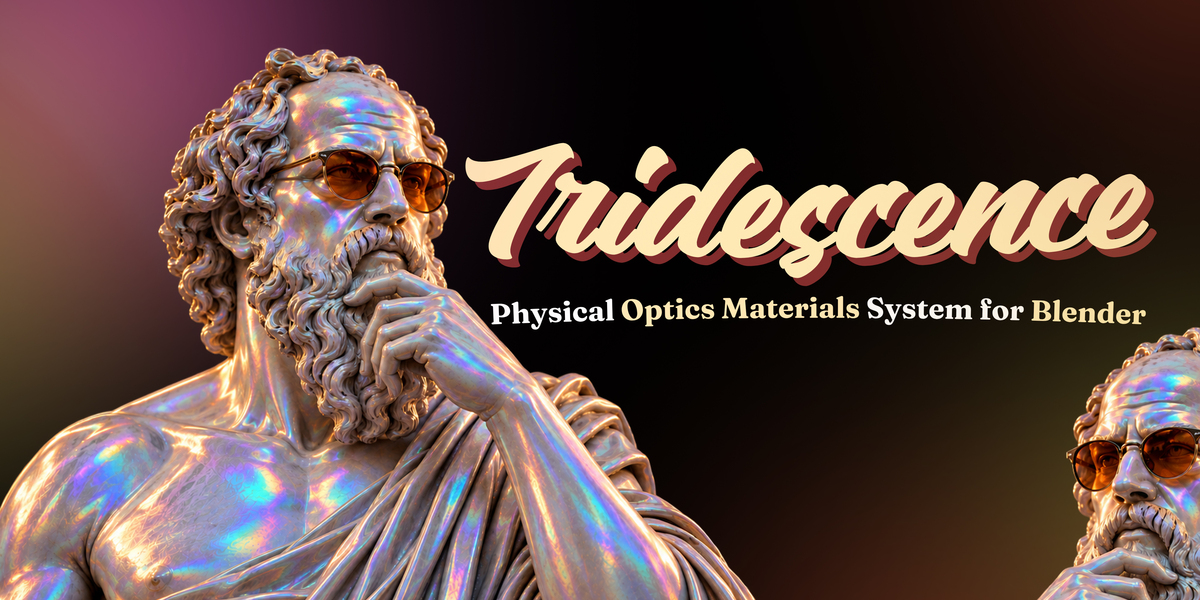
Physical Optics Material System for Blender
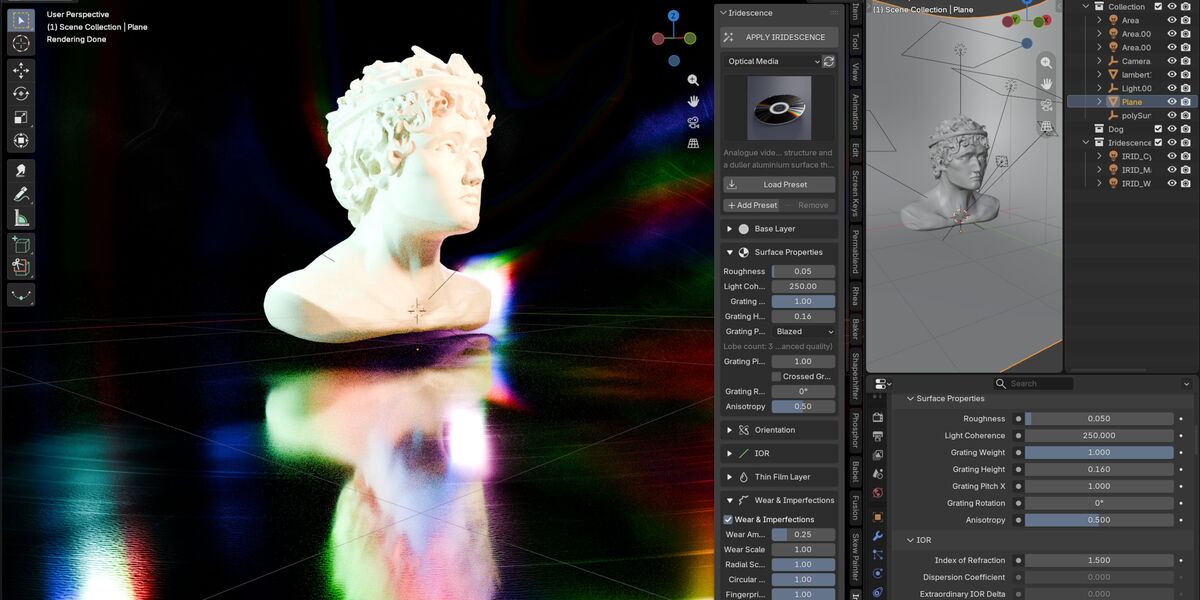
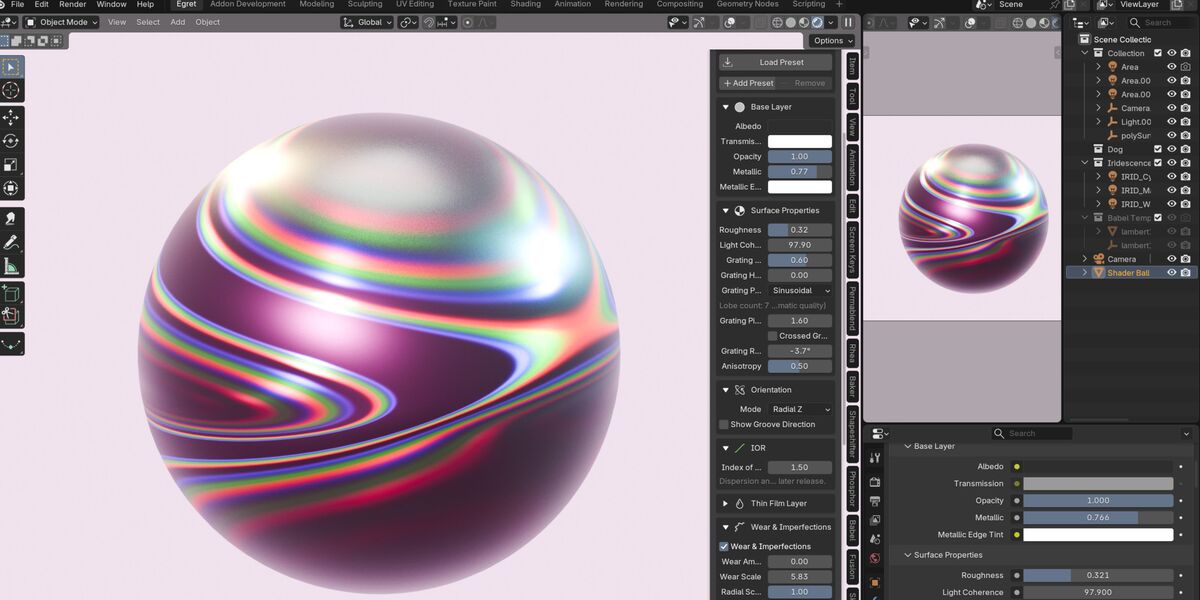
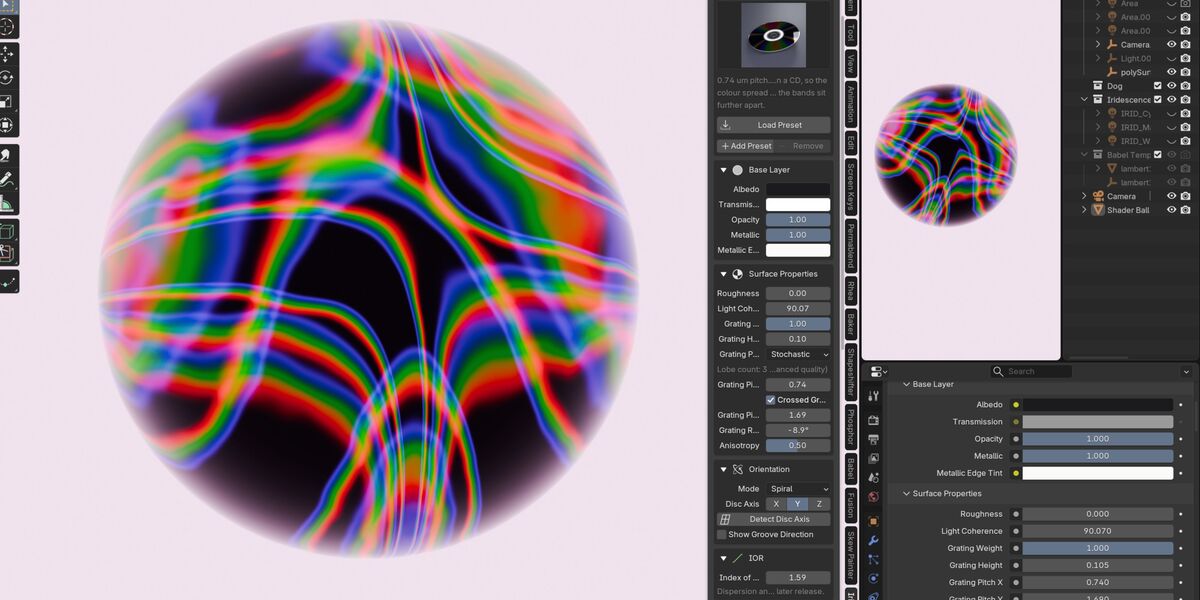
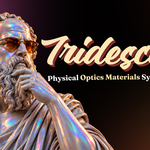
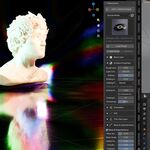
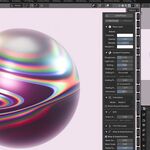
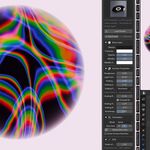
Iridescence is a material system for Blender designed to simulate diffraction, thin-film interference, and structural colour using physically based optical calculations. It calculates wavelength-dependent colour from groove pitch, viewing direction, surface orientation, film thickness, and refractive index.
33 Material Presets
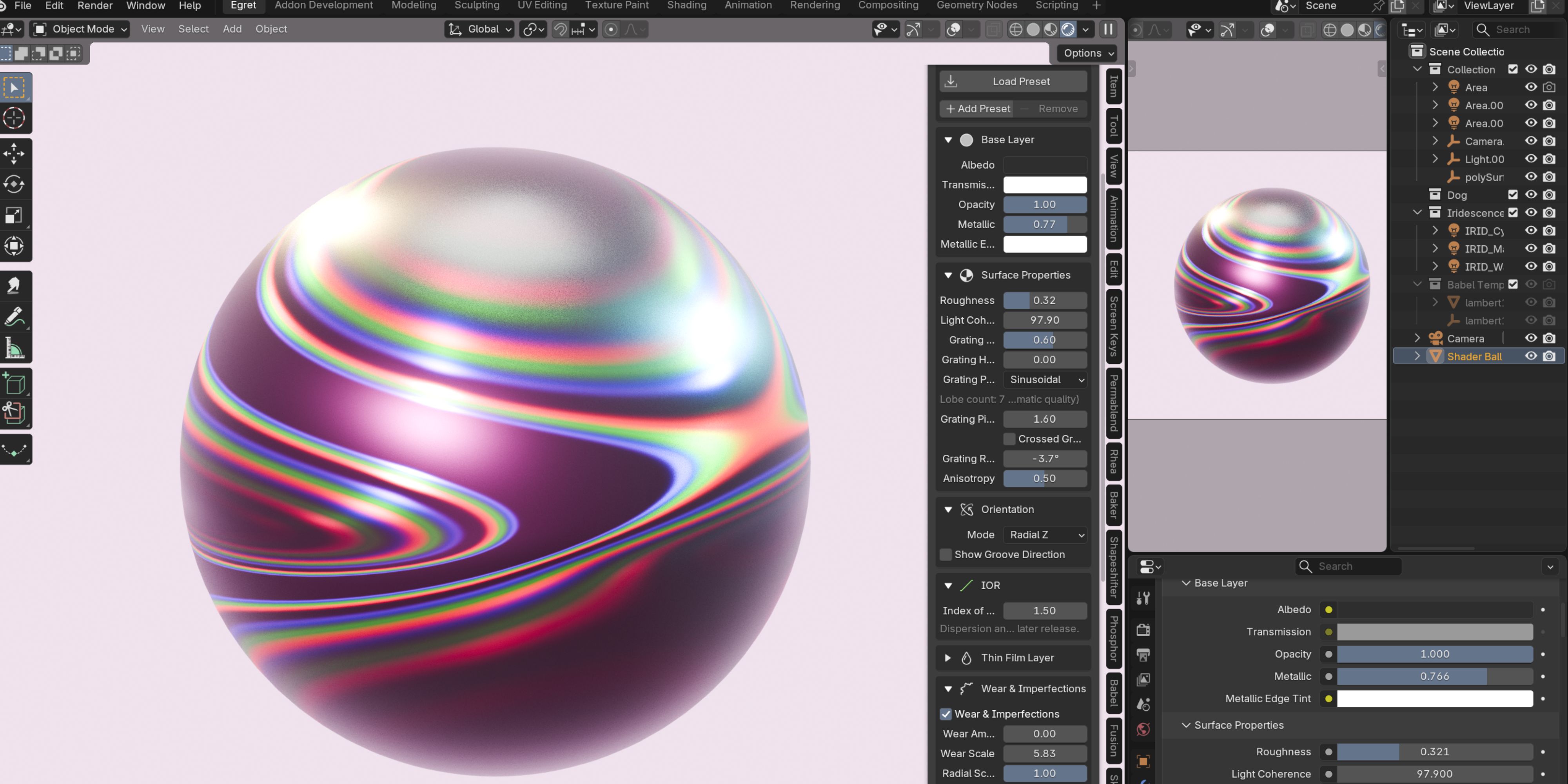
Includes materials across Optical Media, Films & Foils, Liquids, Nature, Metals, and Stylised categories, covering CDs, DVDs, Blu-rays, holographic foils, soap bubbles, oil slicks, dichroic glass, beetle shells, nacre, anodized metals, and more.
Optical Disc Generator
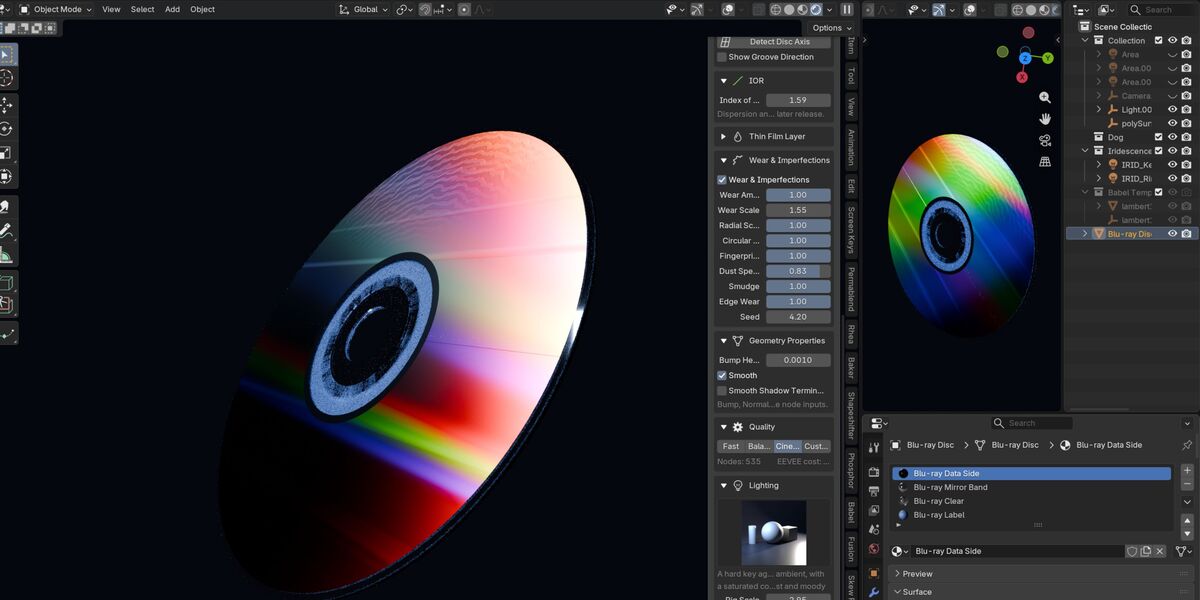
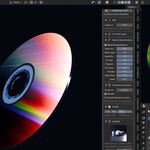
Generate CD, DVD, Blu-ray, Mini CD, and blank optical discs with accurate dimensions, radial UVs, groove orientation, and separate materials for the data surface, mirror band, clear polycarbonate, and label.
Lighting Rigs
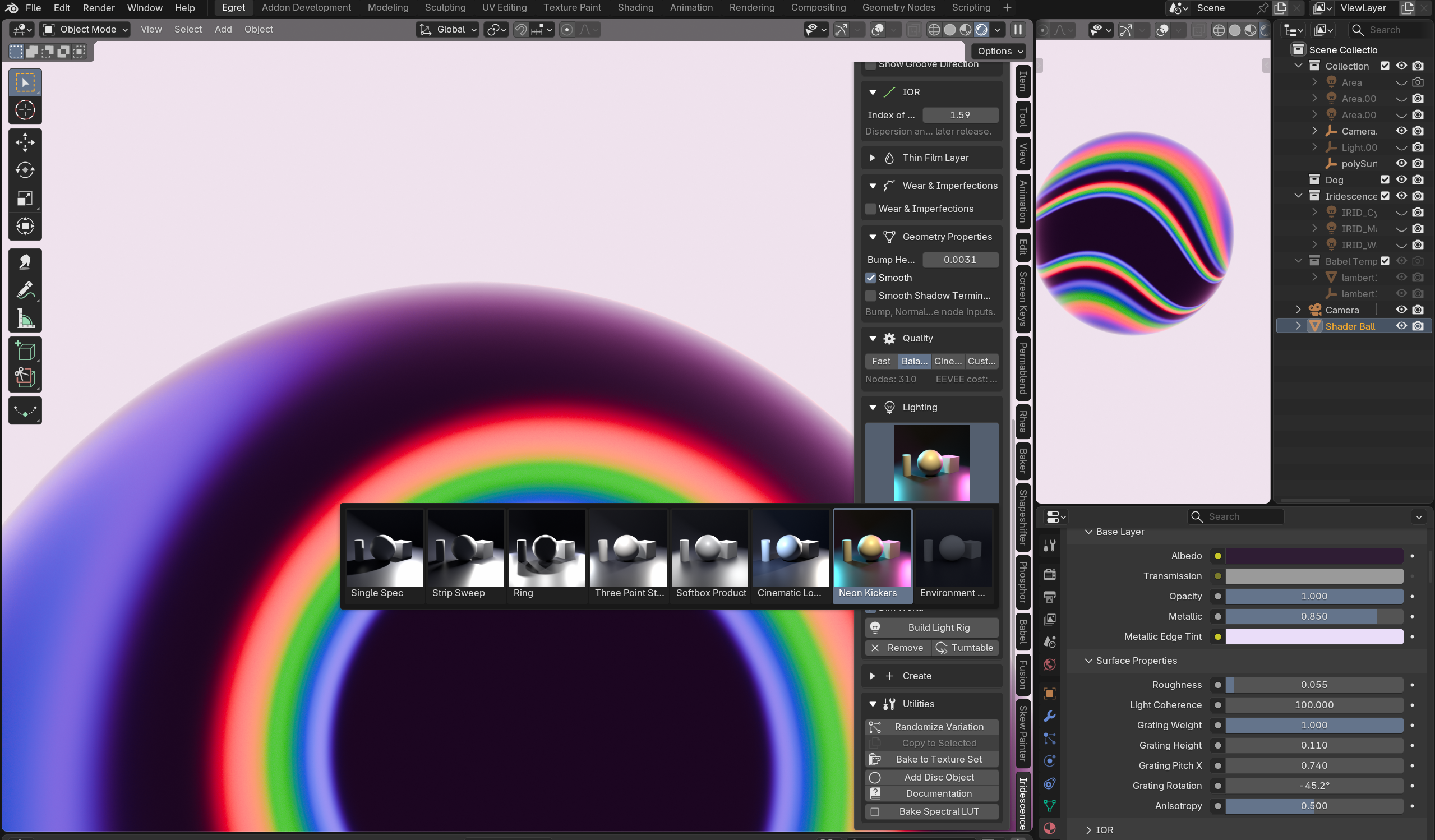
Includes eight lighting setups designed for diffraction materials: Single Spec, Strip Sweep, Ring, Three Point Studio, Softbox Product, Cinematic Low Key, Neon Kickers, and Environment Only.
Wear & Imperfections
Procedural scratches, circular scuffs, fingerprints, dust, smudges, and edge wear, with surface relief and interaction with the diffraction response.
Material Controls
Includes thin-film interference, crossed gratings, multiple groove profiles, eight orientation modes, groove-direction viewport visualization, real-world grating pitch controls, and physical IOR parameters.
Quality & Performance
Choose between Fast, Balanced, Cinematic, and Custom quality modes. An optional Spectral LUT can reduce node count by approximately 30%.
Baking & Export
Bake Base Color, Roughness, Normal, Iridescence Mask, and Thin Film Thickness texture maps for use in external workflows such as Unity and Unreal Engine.
Requirements
Blender: 4.2 LTS or newer, including 5.x
Render Engines: Cycles CPU/GPU and EEVEE Next
Dependencies: None
OSL: Not required
Built entirely with native Blender shader nodes.

