MHD-Int Trappist-1 — Seven Earth-Sized Planets With Measured Masses
 Solaris Core — MHD-INT
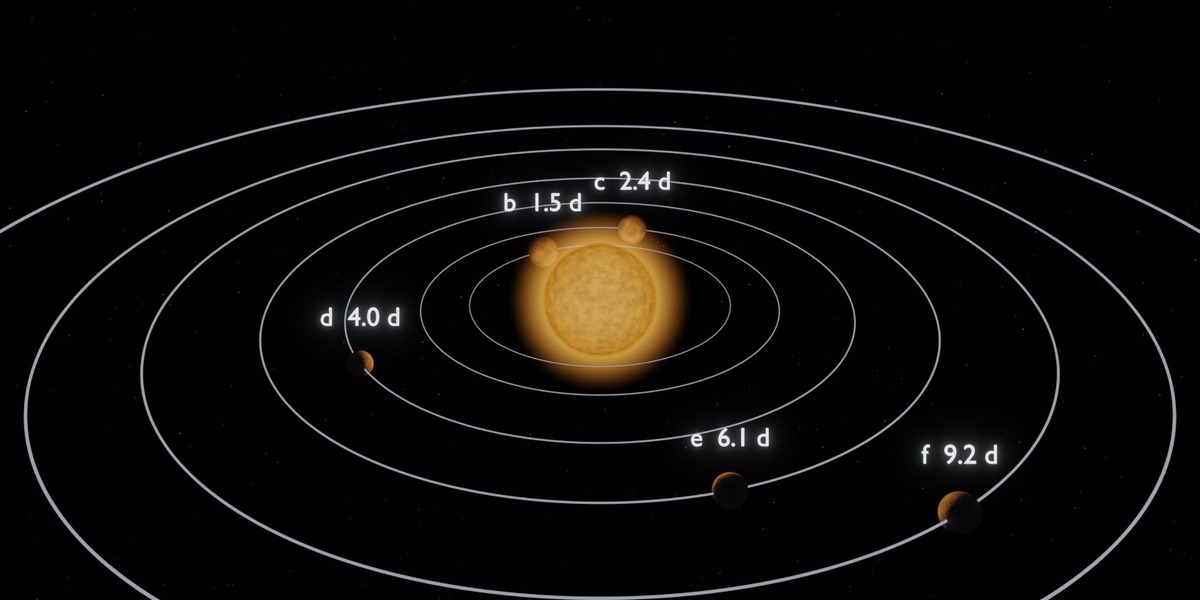
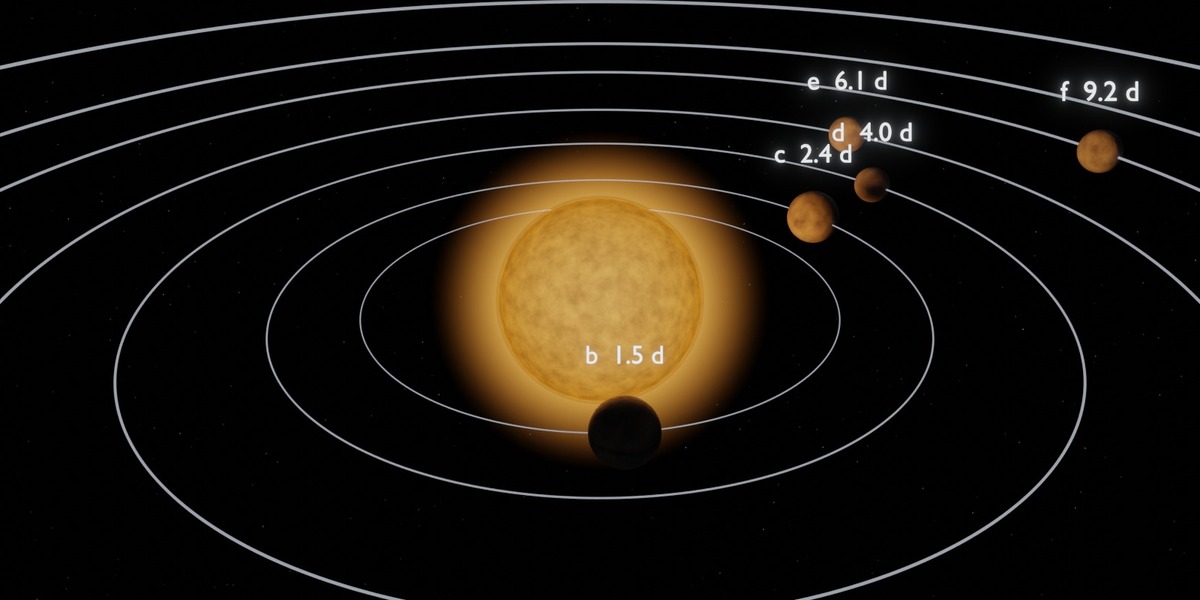
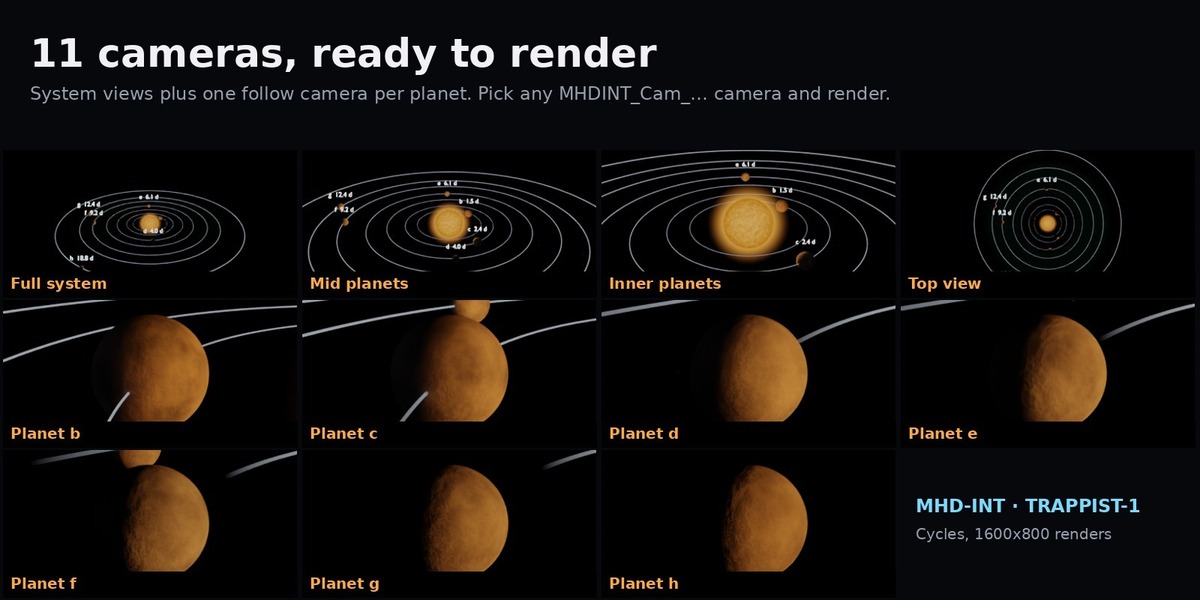
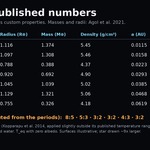
Where do the numbers come from?
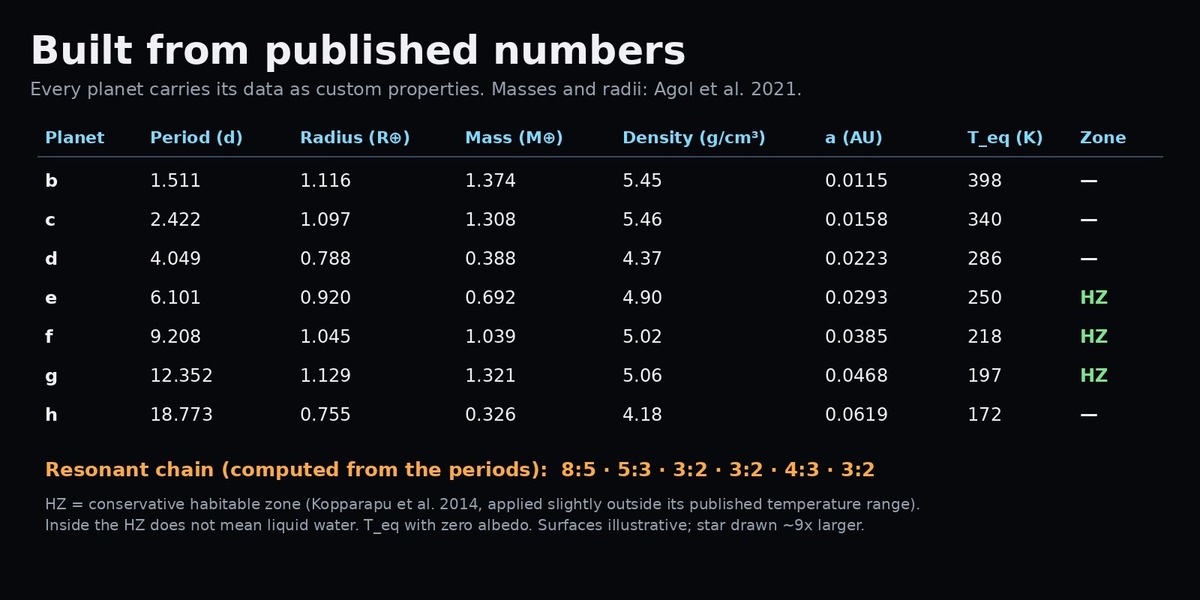
Agol et al. 2021 (Planetary Science Journal 2, 1), Zieba et al. 2023 (Nature 620, 746), Gillon et al. 2026 (Nature Astronomy 10, 674) and Kopparapu et al. 2014 (ApJ 787, L29). Full list in CREDITS.md.
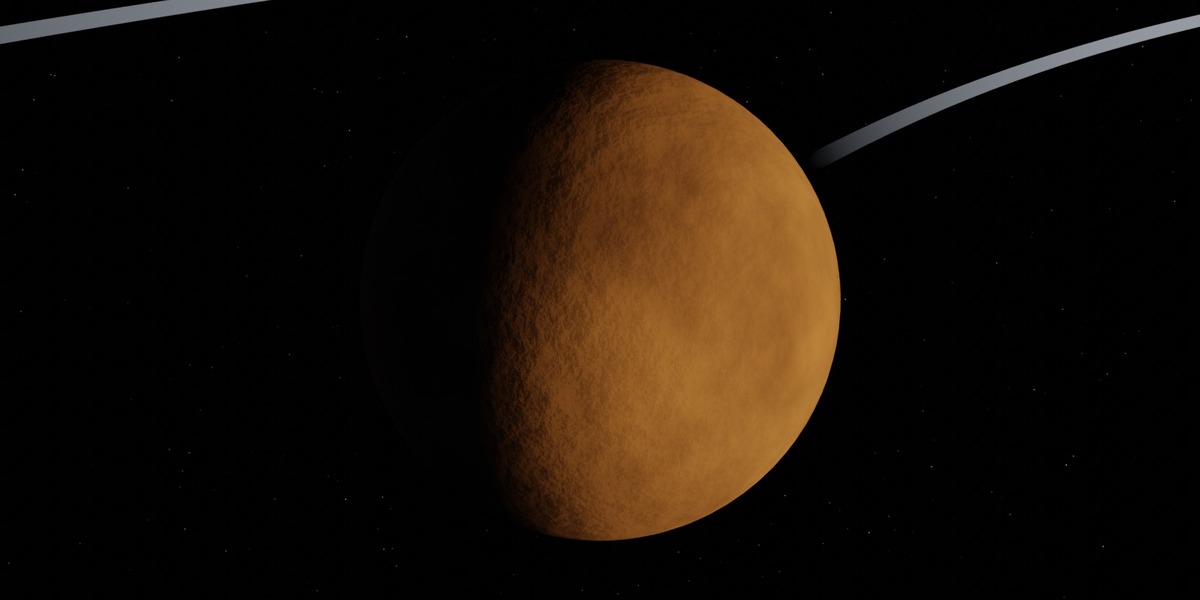
Are the planet colors real?
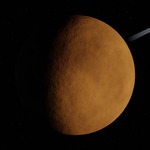
No. Nothing is known about their surfaces. They use neutral rock colors that vary slightly between planets, and this is stated in the scene data.
Why does the star look bigger than it should?
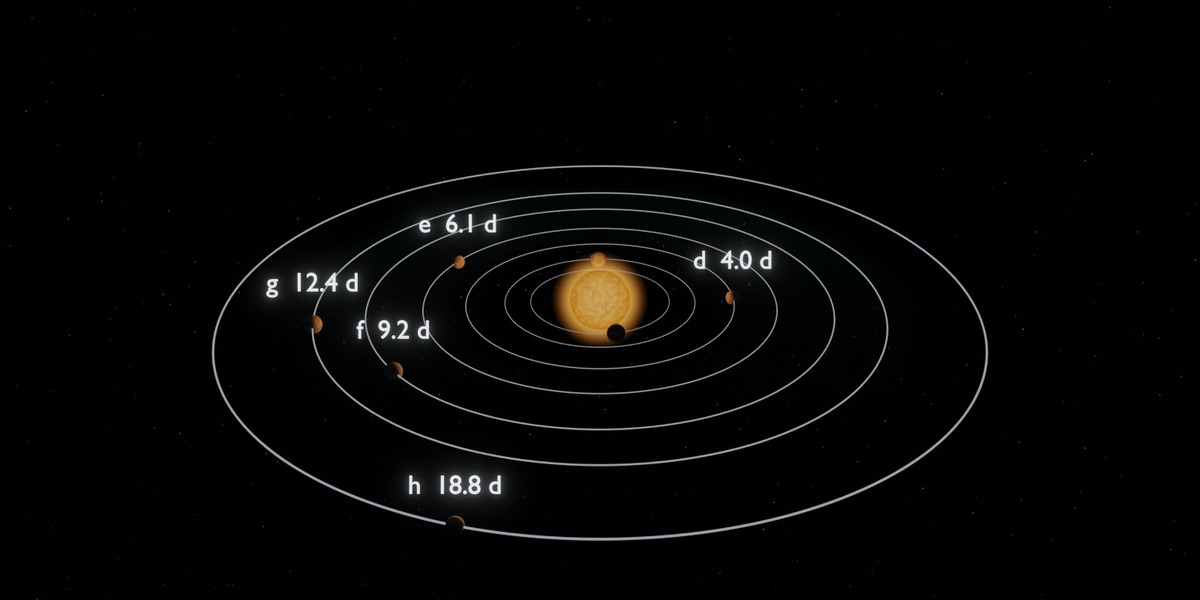
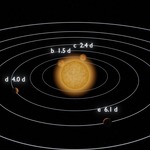
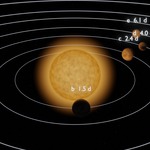
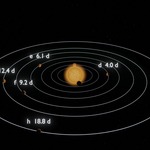
At true scale the star would be tiny on screen. It is drawn about 9 times larger by default; set TRUE_SCALE = True for real proportions.
Does it work with EEVEE?
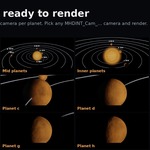
It has only been tested with Cycles. You can try EEVEE by setting RENDER_ENGINE at the top of the script, but materials and lighting were tuned for Cycles.
Can I use the renders commercially?
Yes. Images, animations and scenes you create are yours, including for commercial projects. The script itself is GPL-3.0-or-later.
Do I need an add-on?
No. Everything is procedural and generated by the included script; no add-on and no external textures are required.
Is this an accurate simulation?
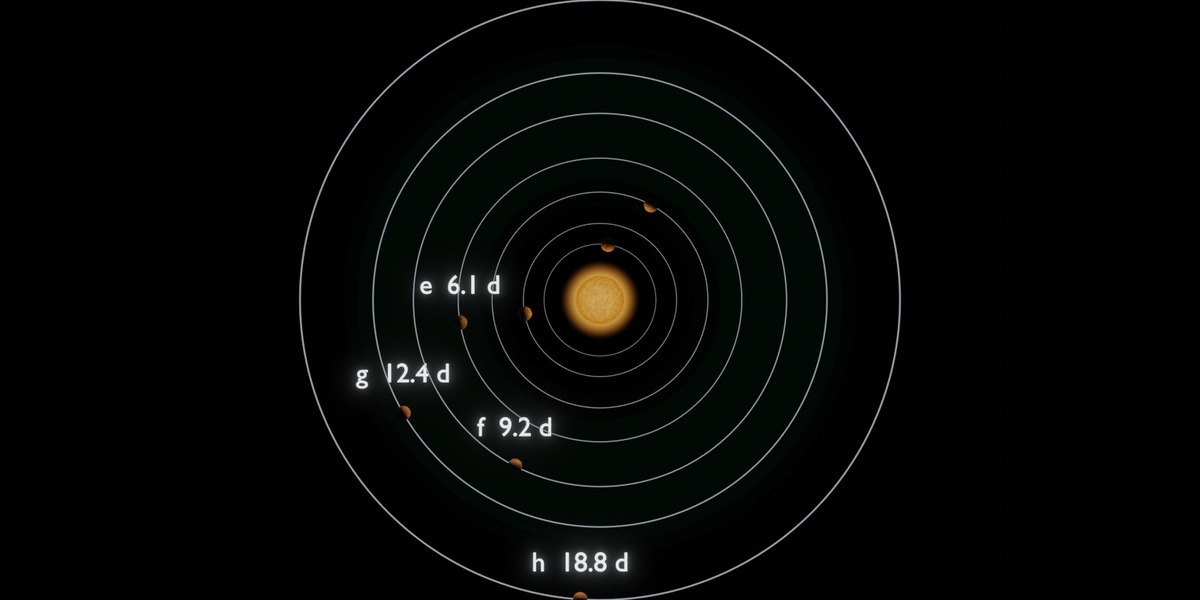
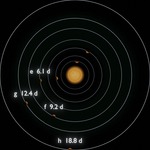
The numbers (periods, distances, radii, masses) are the published ones, and the orbital motion follows the real periods. It is not an N-body integration: orbits are circular and coplanar, which is a fair simplification for this system but still a simplification.
Have questions about this product?
Login to message
| Published | about 12 hours ago |
| Blender Version | 4.2 - 5.0 |
| Render Engine Used | Cycles |
| License | GPL |
Discover more products like this
space astronomy Science orbital resonance trappist-1 education habitable zone Planets Solar System planetarium jwst exoplanet