 NicoHartl
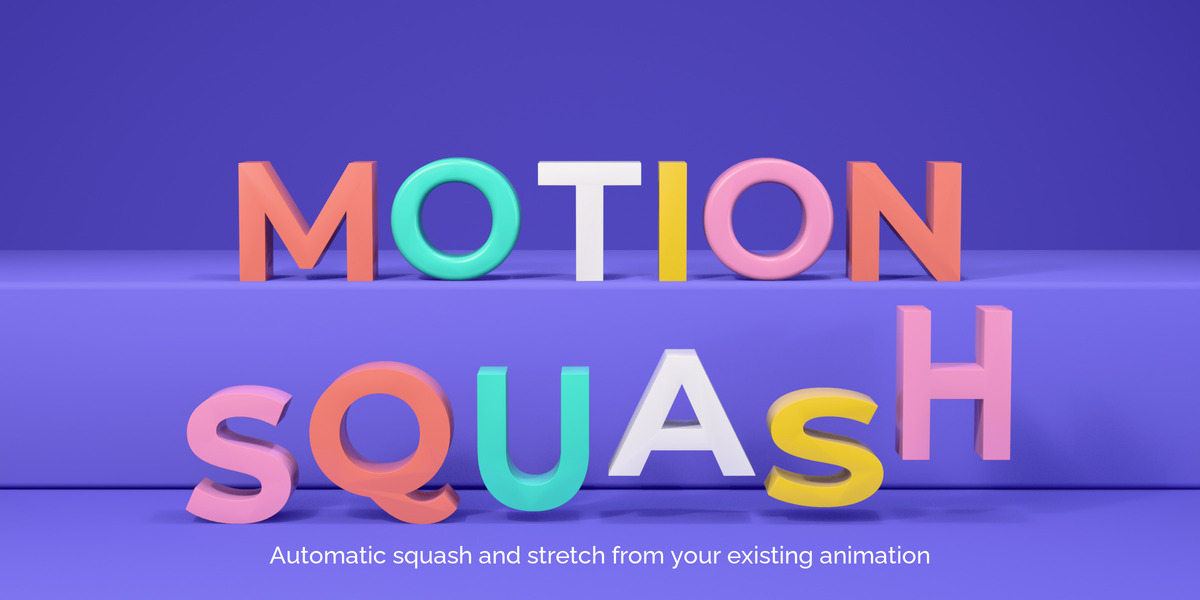
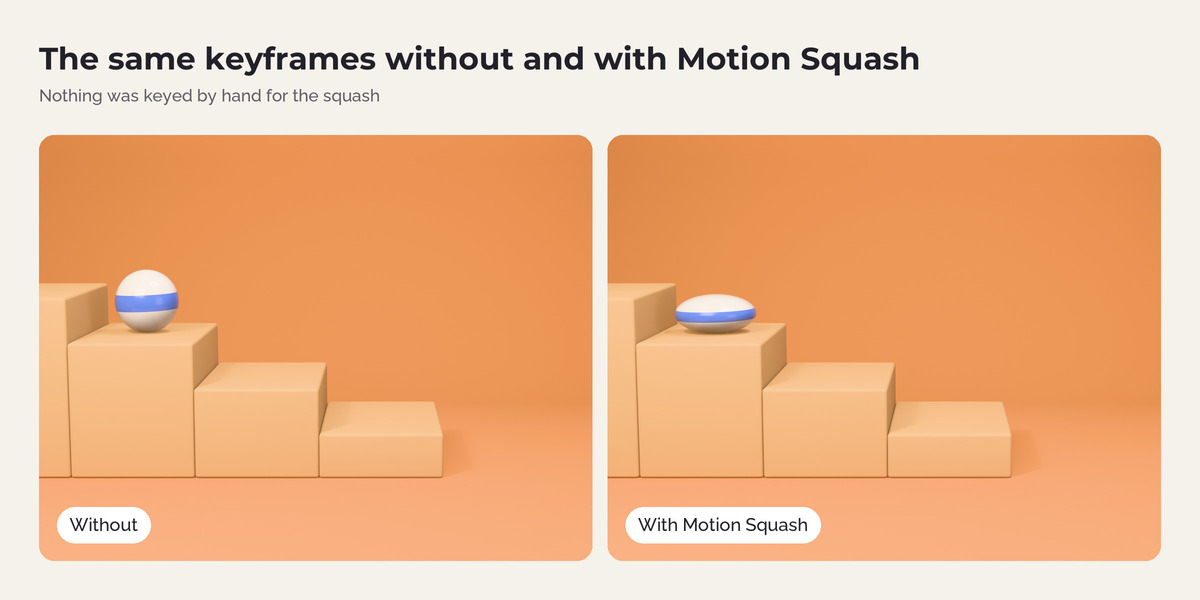
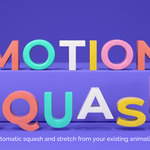
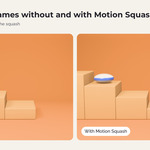
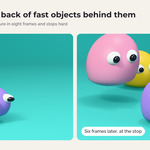
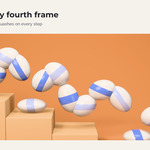
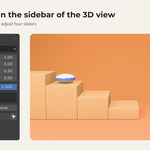
Motion Squash adds squash and stretch to animated objects in Blender. It reads the animation you already have and deforms the object for every frame: it stretches along the direction of motion when the object is fast, squashes when it hits the floor or stops, and wobbles back into shape. You animate the motion, the extension adds the cartoon physics on top.
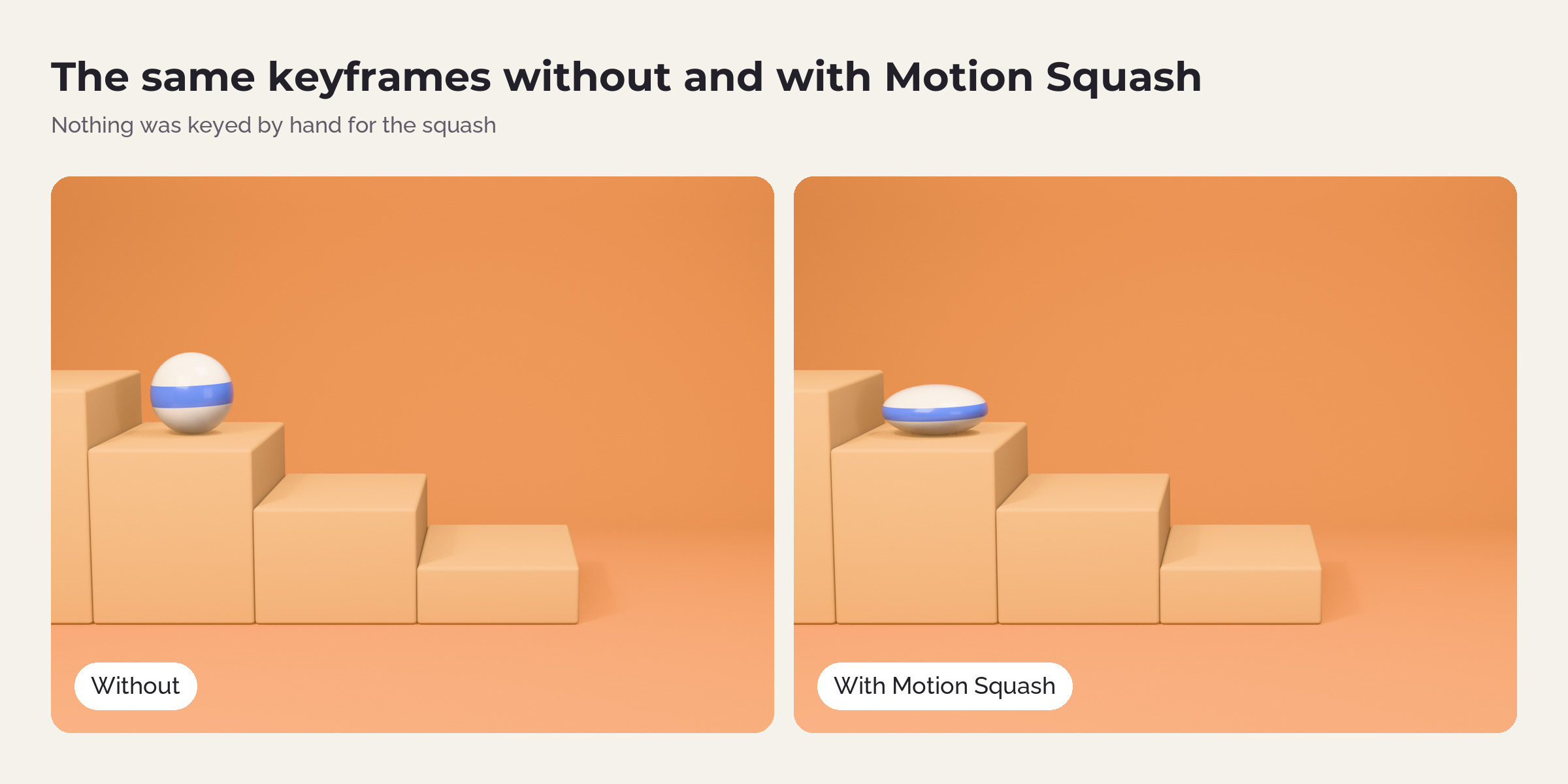
Why
Squash and stretch by hand means keying scale on every bounce, fighting with the axis when the object rotates, fixing the volume, and doing it all again when the timing changes. A rig with stretch bones helps for characters, but not for a ball, a logo, a product or a block that jumps around. After Effects users have scripts for this; Blender had no tool that works from existing 3D motion.
What it does
Stretch along the motion
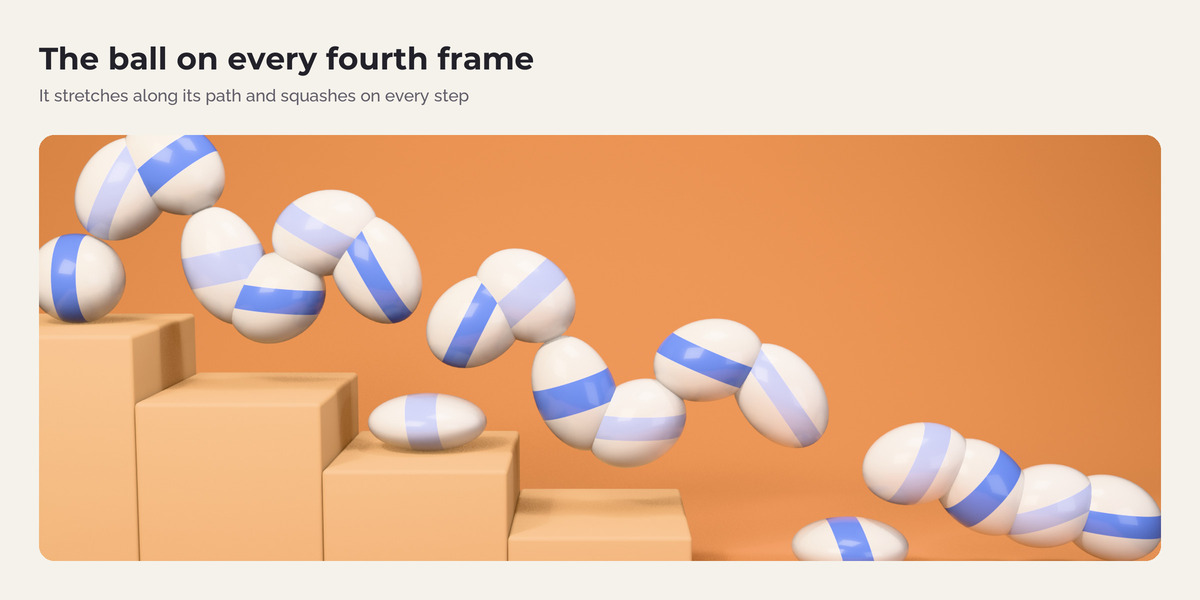
The object gets longer in the direction it moves and thinner across it, so the volume stays the same. The direction is measured in world space, so it works for objects that spin, follow a path or hang under a parent.
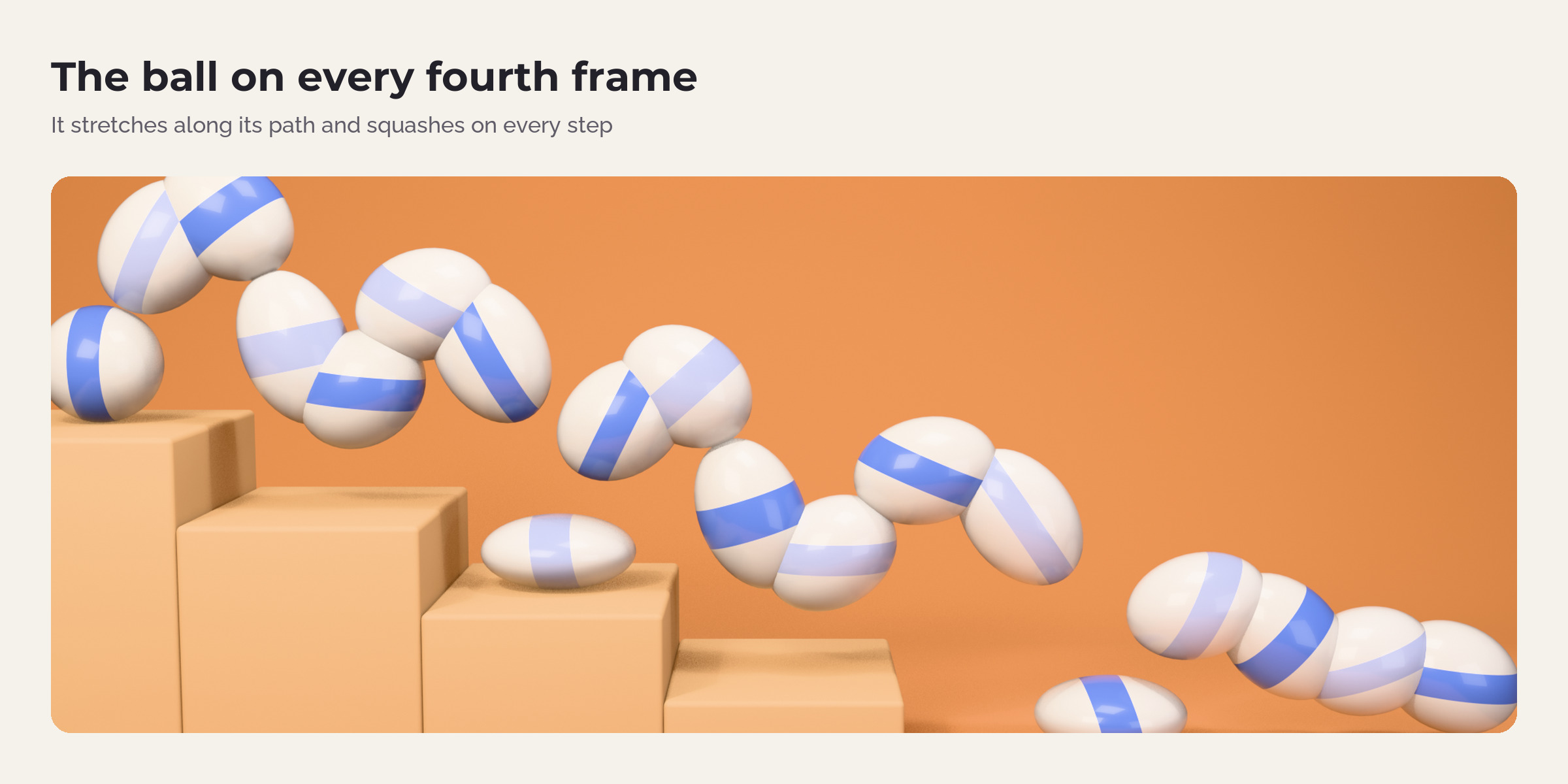
Squash on impact
A sudden change of speed or direction counts as an impact. The object squashes along that change, the side that hits stays in place, and it recovers with an adjustable wobble.
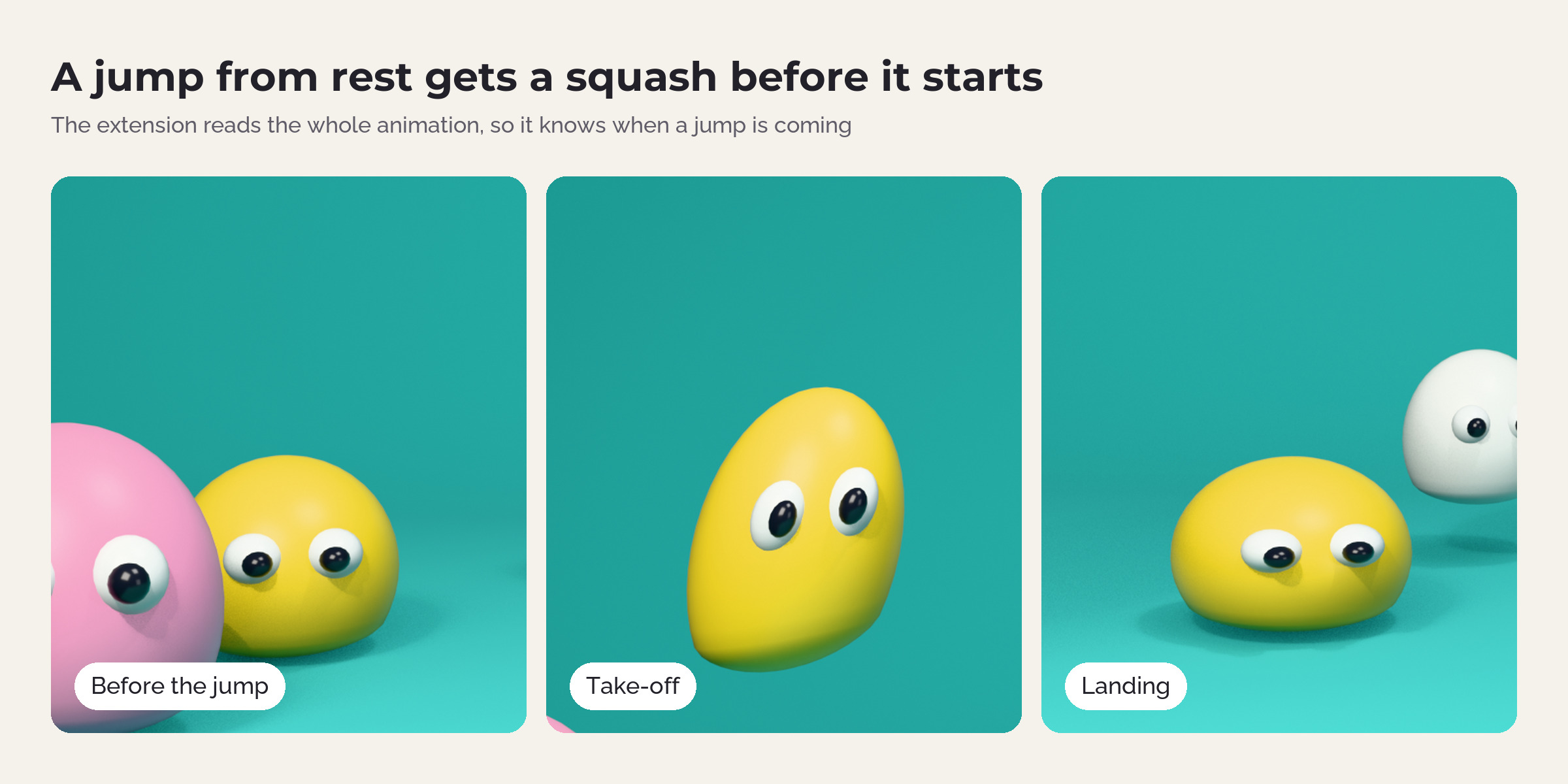
Anticipation
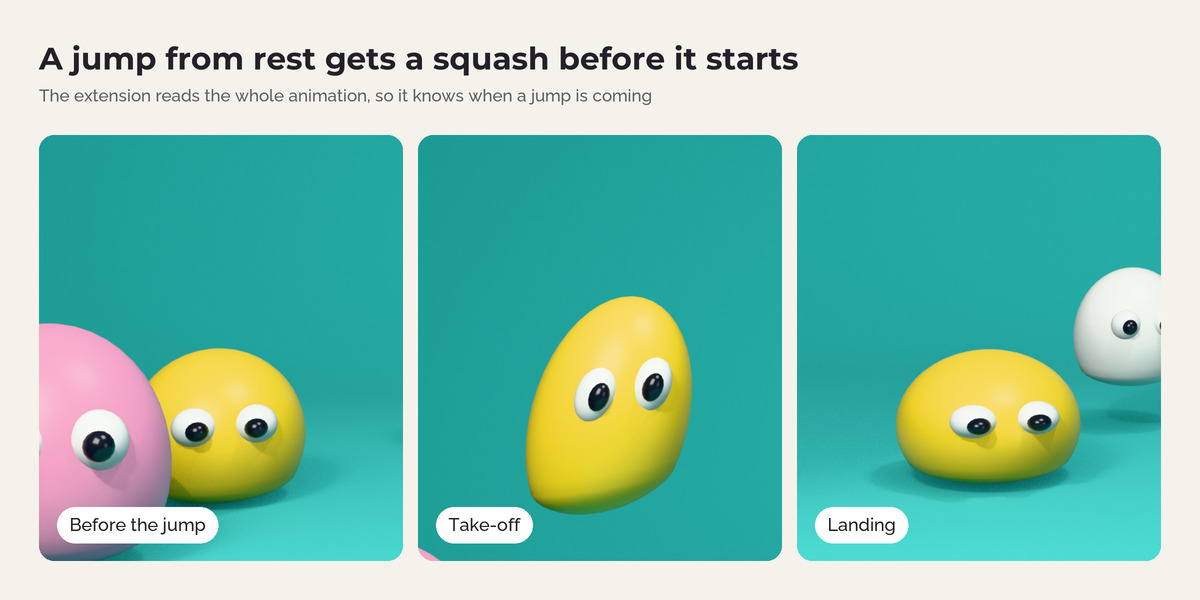
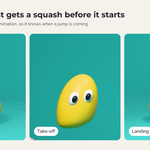
When an object starts from rest, it squashes a few frames before it moves. The extension reads the whole animation, so it knows when a jump is coming.
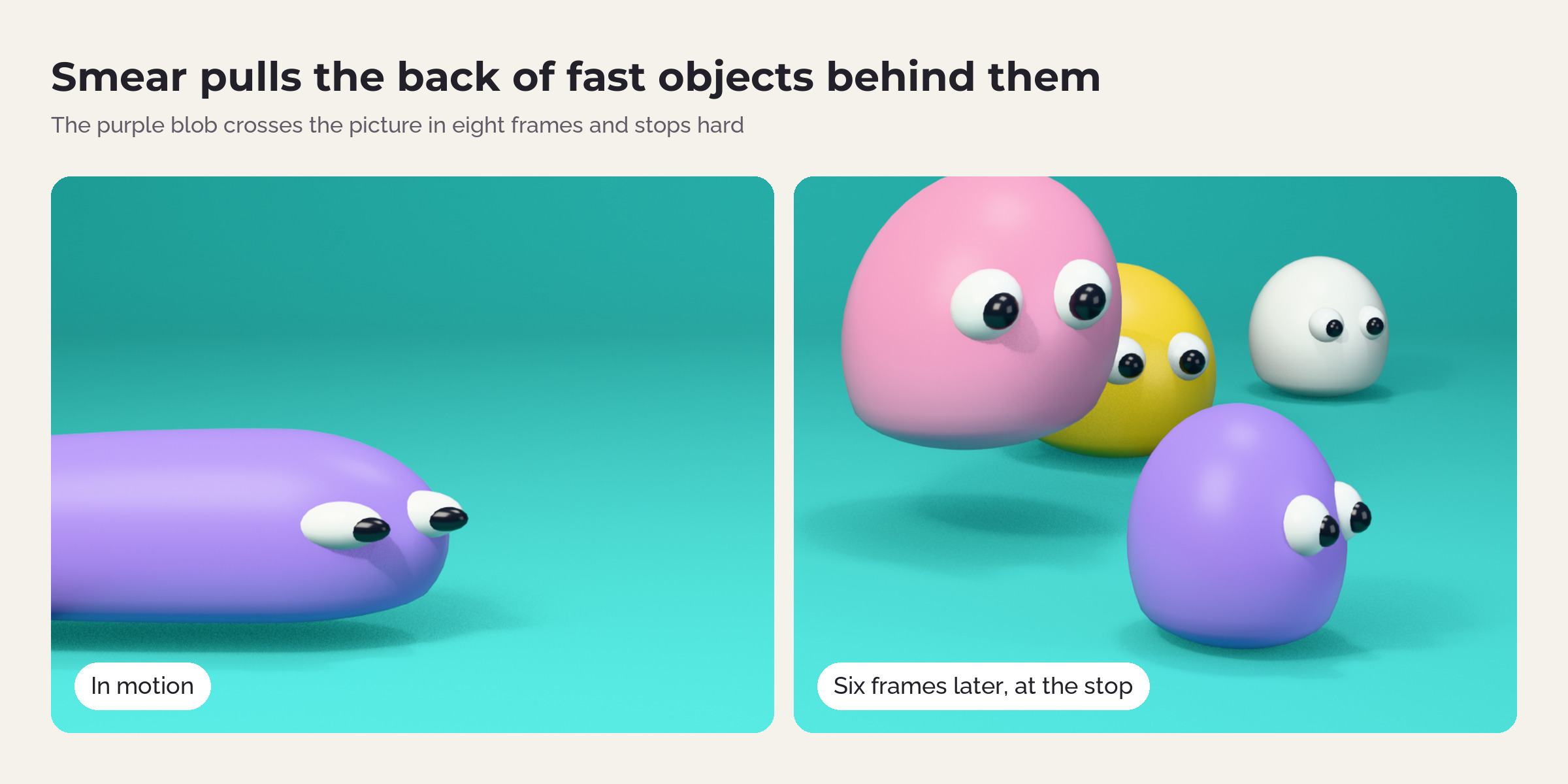
Smear
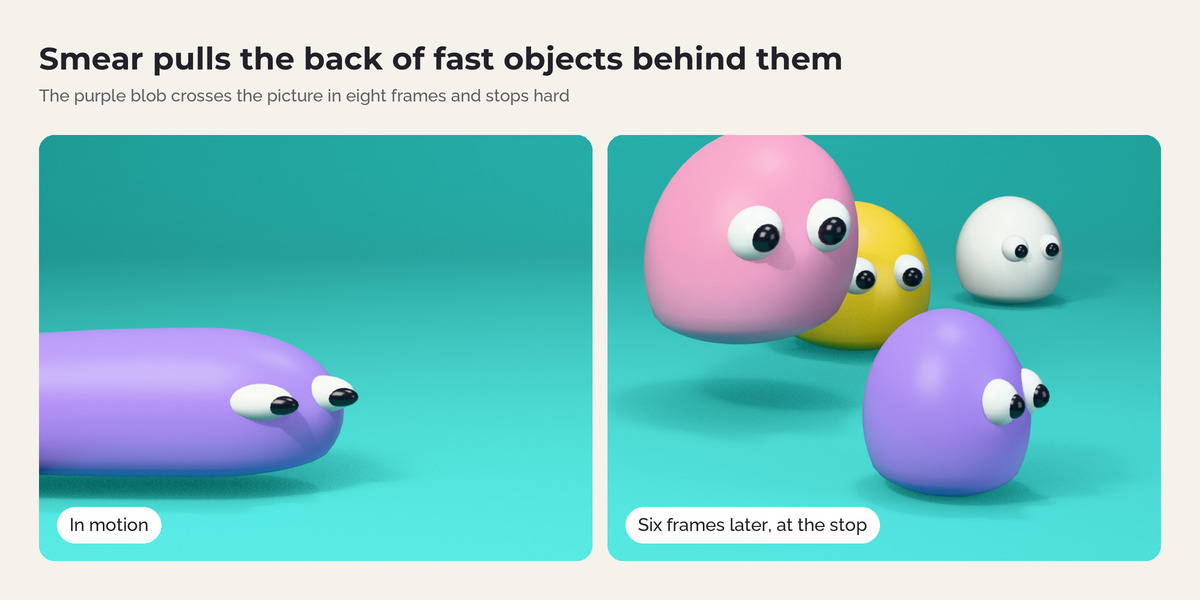
Fast objects pull their back half behind them, like the smear frames in 2D animation.
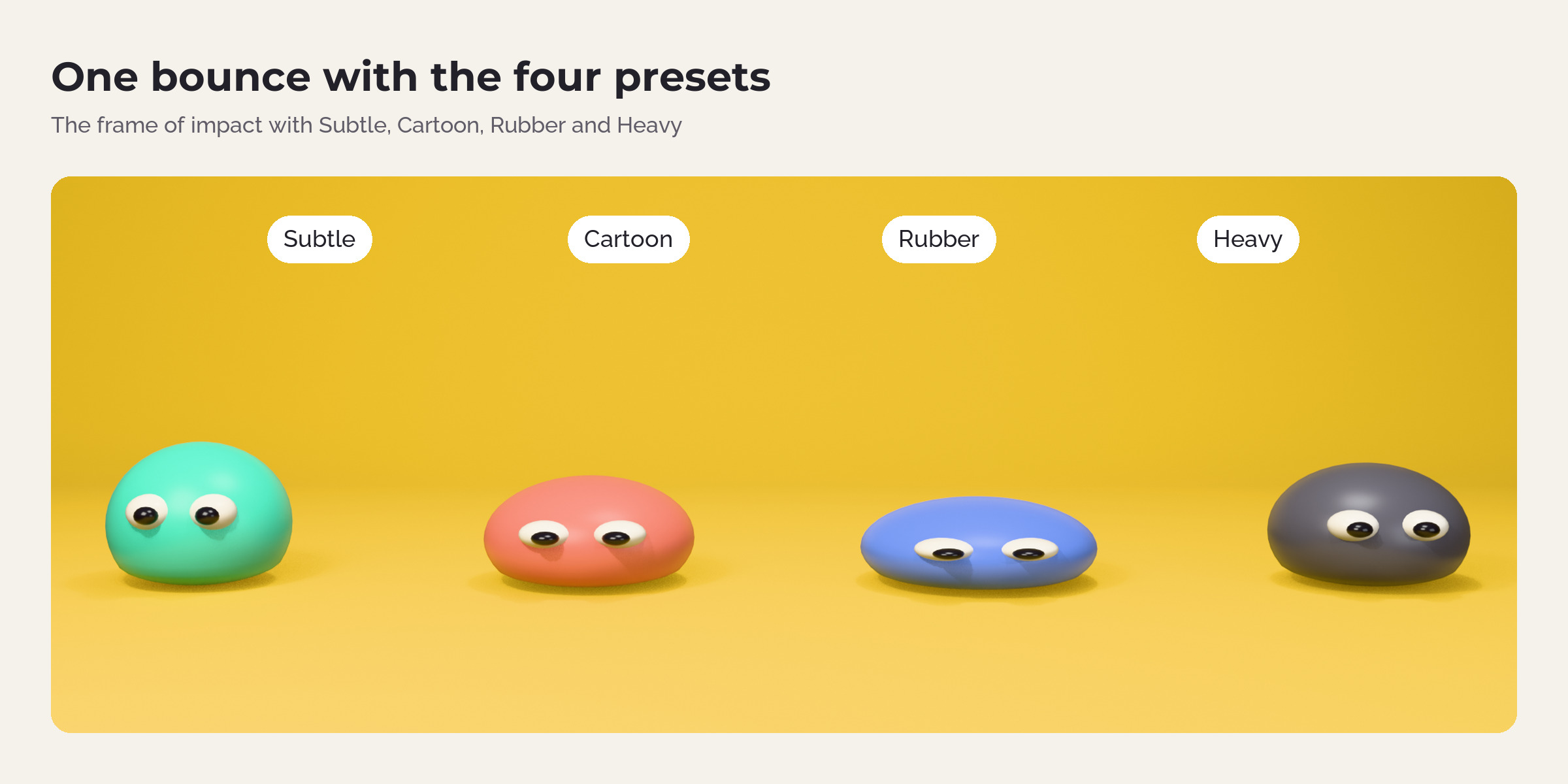
Presets
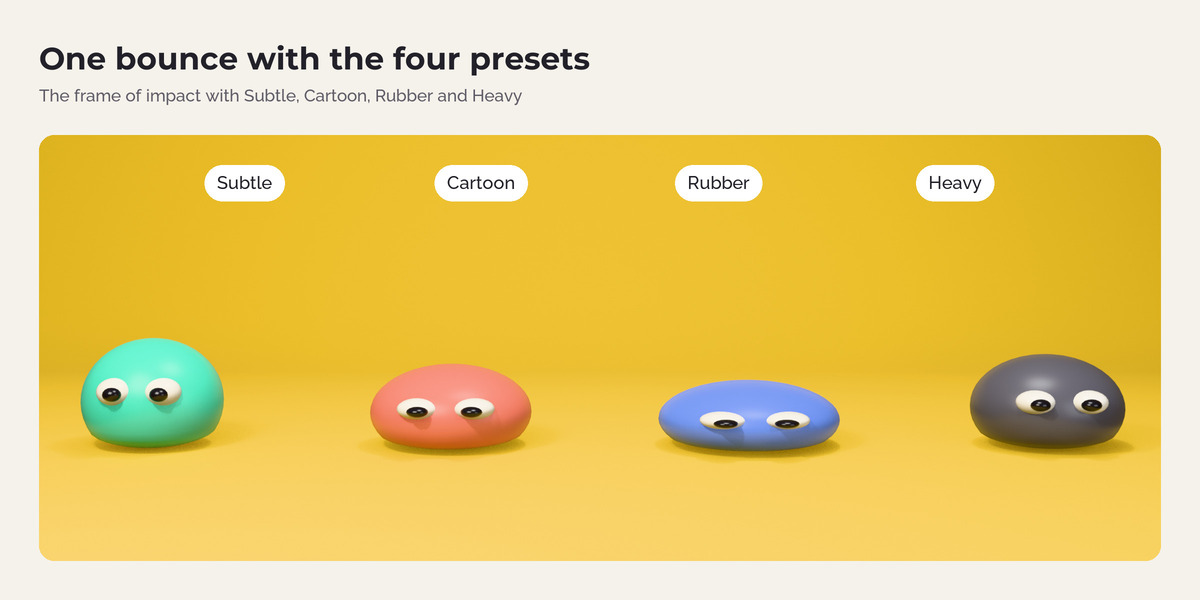
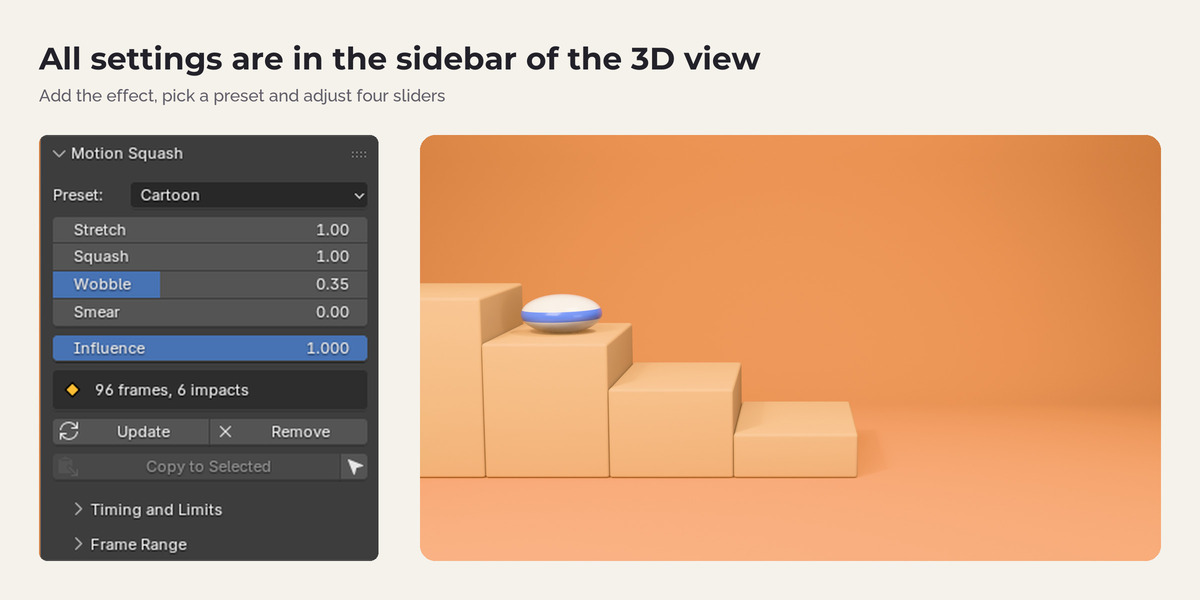
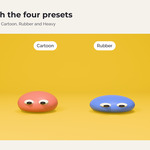
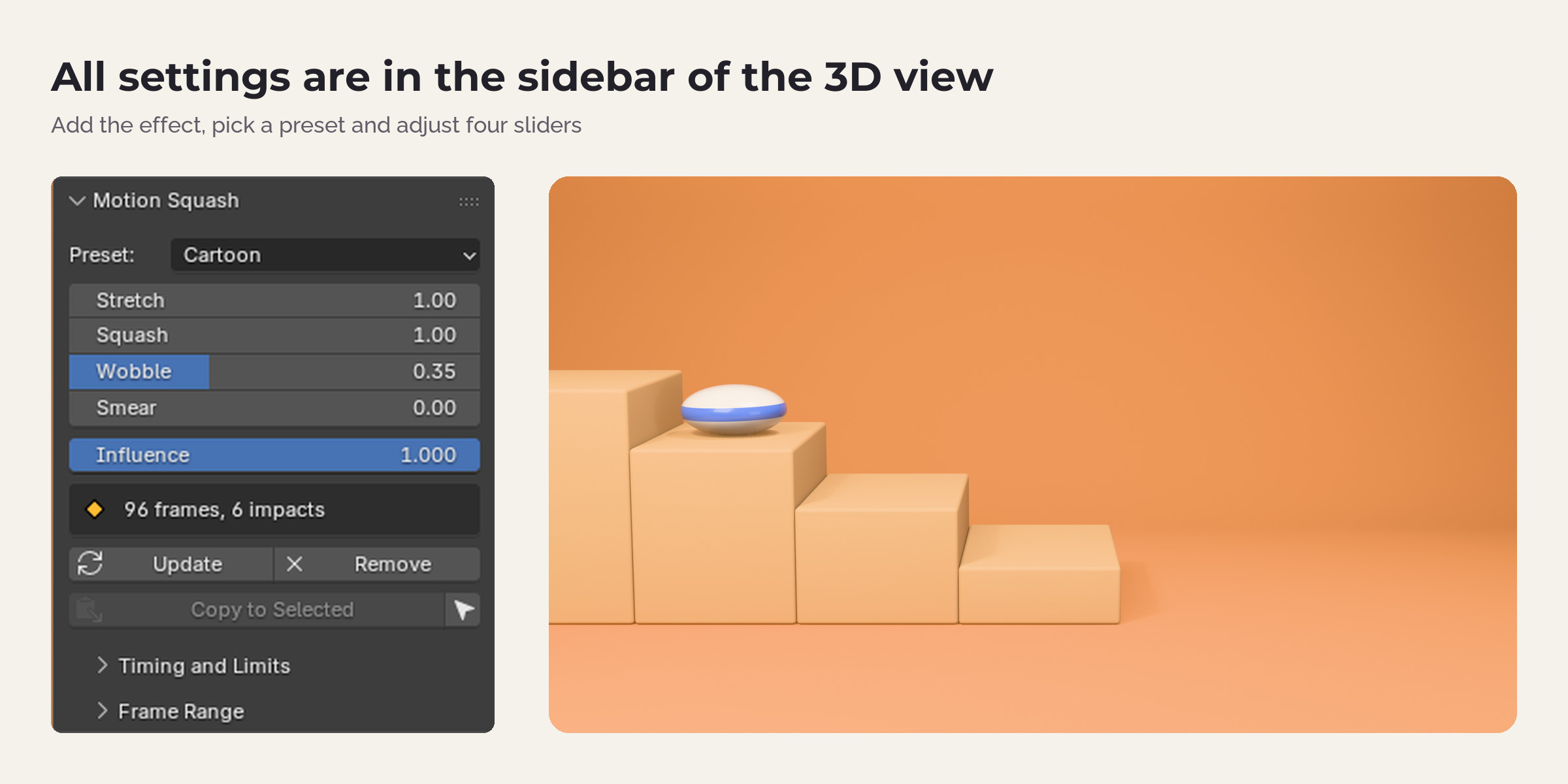
Subtle, Cartoon, Rubber, Heavy and Smear, plus sliders for stretch, squash, wobble, limits, timing and pivot.
Live update
Move a key, change the timing or drag a slider, and the result updates within a fraction of a second. It never runs during playback.
Your keyframes stay clean
The squash is stored in a separate node group. Your keys, the Timeline and the Dope Sheet look exactly as before, and the file renders on machines without the extension.
How it works
- Animate an object as usual.
- Select it and click Add Squash & Stretch in the Squash tab of the 3D view sidebar (or press Shift Alt S).
- Pick a preset or adjust the sliders.
- Play, scrub and render as usual.
Works with
Mesh, curve and text objects. Keyframes, parents, Follow Path and other constraints, rigid body simulations, drivers and NLA strips. Several objects at once.
What's included
- The extension (install from disk in Blender 4.5 or newer)
- Six demo files: the title letters, the ball on the stairs, the hopping blobs and the preset scene. The stairs and the blobs also come without the effect, so you can add it yourself
- User guide as README.pdf with every setting, tips for good results and a troubleshooting section
- Changelog and licence
Good to know
- Contact keys need sharp handles (Vector) so there is a real impact. With smooth Bezier handles the object slows down before it touches the ground and there is nothing to squash. The guide shows how.
- The whole object deforms as one piece. For characters with armatures a bone-based version is planned.
Compatibility
Blender 4.5 LTS, 5.0, 5.1, 5.2 LTS and 5.3. Tested on Windows in 4.5.15, 5.2.3 and 5.3.0. Works in every render engine, since it is a normal Geometry Nodes modifier.
Support and updates
Updates are free for buyers. Every new Blender version is tested before it is listed as supported. Questions through the store messages, answered within 72 hours.
AI disclosure
Designed with Claude. Code written with AI assistance, then reviewed, tested and integrated by a 3D artist.