PhysForge — Blender Rigid Body Physics That Keeps Working in Unity: Bodies, Hinges, Springs, Motors and Breakable Links, Measured Against Blender's Own Simulation
 Skava
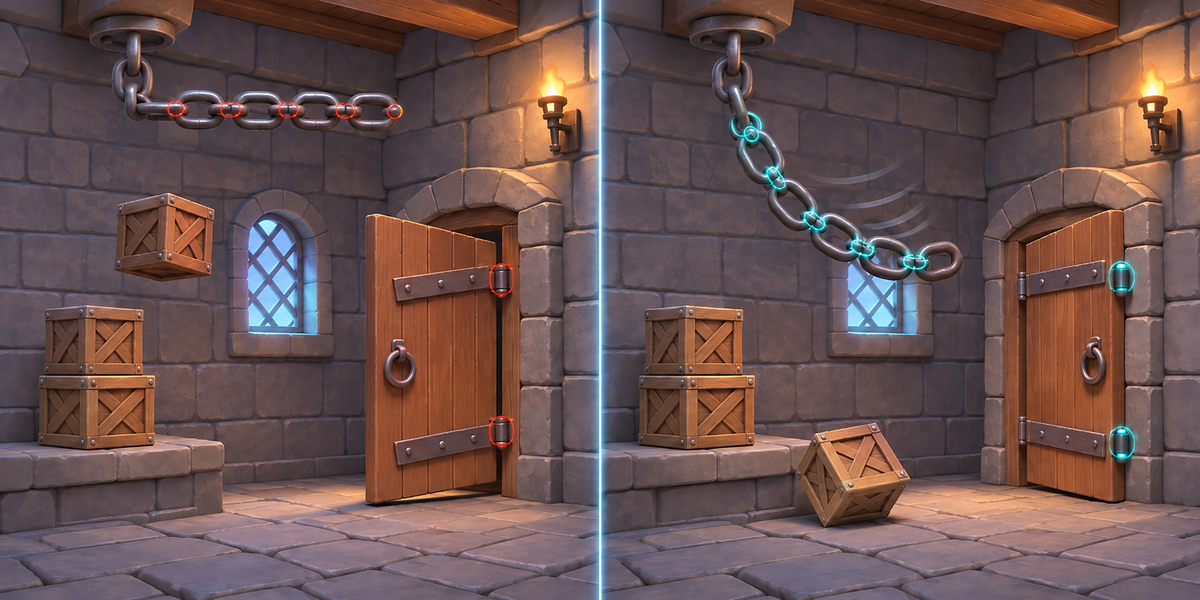
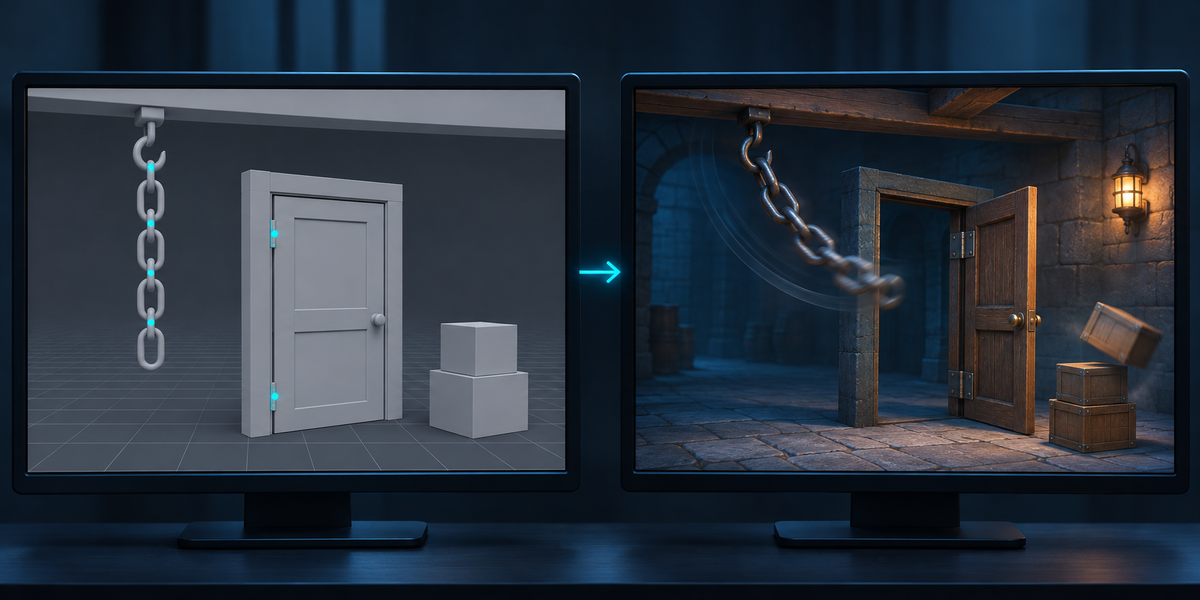

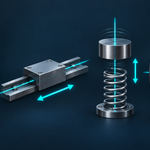

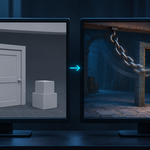
FBX carries meshes and transforms, not rigid bodies or constraints. Unity imports the bodies standing still, with no colliders, no masses and no joints. Rebuilding it by hand means translating every number between two different physics engines.
No. The two engines read the same numbers differently: PhysX acts on friction at about twice Bullet's product, bounces differently, springs damp differently, joint axes and limit signs flip with the change of handedness, Unity's default contact offset starts a bounce a centimetre early, and a joint limit on auto throws a body back off its stop with PhysX's newer solver. PhysForge corrects each of these by a rule measured in both engines; the five that are Unity project settings (step, solver iterations, contact offset, bounce threshold, sleep threshold) Check uses Blender's values for, says when your project differs, and Match Project Physics to Blender sets them.
Check Physics simulates the setup in Unity at Blender's step and measures every body against Blender's own recorded simulation, in millimetres, at 0.5, 1, 2 and 4 seconds. Next to it, Blender against itself with gravity tilted by 0.006 degrees shows how chaotic the motion is, so a tumbling pile is not mistaken for a wrong translation.
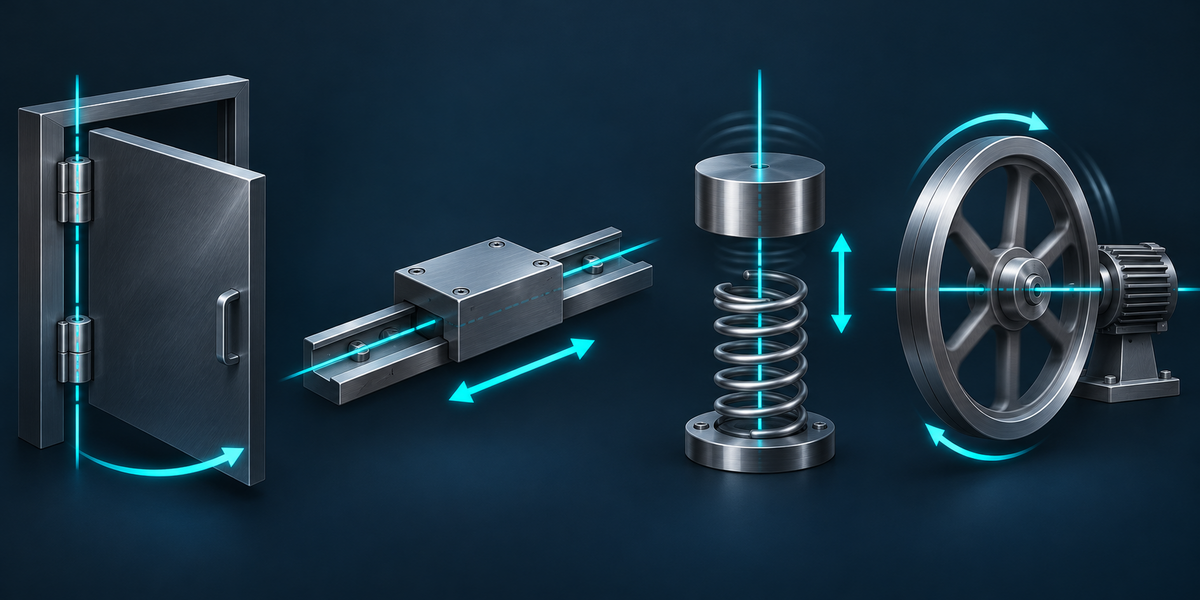
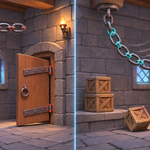
Fixed, Point, Hinge, Slider, Piston, Generic, Generic Spring and Motor, with limits, springs, motors and breaking thresholds. The documentation lists what each one becomes in Unity.
No two physics engines match exactly. The first bounce matches, later ones part a little; a cone, a box-shaped Convex Hull sliding on a body set to Box or dropped turned, a soft spring turned far on two axes and a Generic slide between two moving bodies part by several centimetres or more in a second. The panel says so before you export and the report shows by how much.
Unity 6 (tested on 6000.0, 6000.4 and 6000.6). The prefab holds only Unity's own Rigidbodies, colliders and joints, so it keeps working without the PhysForge script. Nothing depends on the render pipeline.
Animated bodies arrive as kinematic Rigidbodies, without their keys: animate them in Unity. Check moves them as Blender recorded, so the bodies they push are still measured.
No. Everything runs locally, in Blender and in Unity.
Have questions about this product?
Login to message
| Published | about 9 hours ago |
| Blender Version | 4.2 - 5.2 |
| Extension Type | N/A |
| License | GPL |
Discover more products like this
fbx Joints simulation Export rigid body Game Engine hinge springs physics unity constraints game-dev