 CG_Flow









$99 once. All future updates included.
VERSION 5.3 · FLIP · MPM · FLOW FIELDS · DENDRITE
New Solvers. New Fields. A New Production Workflow.
Version 5.3 expands Pro Particles into a much broader GPU simulation toolkit: FLIP/APIC and SPH liquids, multi-material MPM, layered Flow Fields, Dendrite growth, upgraded Logic, reusable Masks, richer Data Mapping, native post effects, Upres, and a dedicated output workflow.
Included for all Pro Particles customers at no additional cost.
One-time purchase · Lifetime updates · No subscription
Pro Particles
Pro Particles is a GPU simulation and procedural FX toolkit for Blender artists. Build large particle simulations, FLIP/APIC and SPH liquids, multi-material MPM, granular materials, smoke, fire, explosions, layered Flow Fields, Dendrite growth, logic-driven behaviors, procedural color, native trails, instancing, meshing, Upres, particle outputs, and VDB volumes in one focused workflow.
Hardware Check & Free Demo
Pro Particles uses one external GPU simulation engine for particles and Pyro. Test the workflow and system compatibility before purchase with the limited demo.
Native particle GPU Preview has no frame or particle limit. Points/cache output is limited to 120 frames and 25k particles; Output Cache and Alembic export are unavailable. Pyro VDB baking is unavailable in the evaluation build.
Already own standalone Pro Pyro? Use coupon code propyro100 on Superhive to add Pro Particles to your library at no cost.
What's New in Pro Particles 5.3
5.3 adds major new simulation systems and rebuilds key artist workflows around a faster, more direct GPU-first pipeline.
Production-oriented liquid simulation with FLIP or APIC transfer, sheeting, whitewater, waves, reseeding, source mixing, plus a separate SPH solver for cohesive particle-scale fluids.
Simulate water, elastic and ductile solids, sand, clay, snow, and foam in one MPM domain, including material mixing and contact-driven transitions.
Build editable vector fields from procedural, geometric, particle, image/movie, VDB, FLIP, and Pyro sources, then combine them with ordered field operators and response controls.
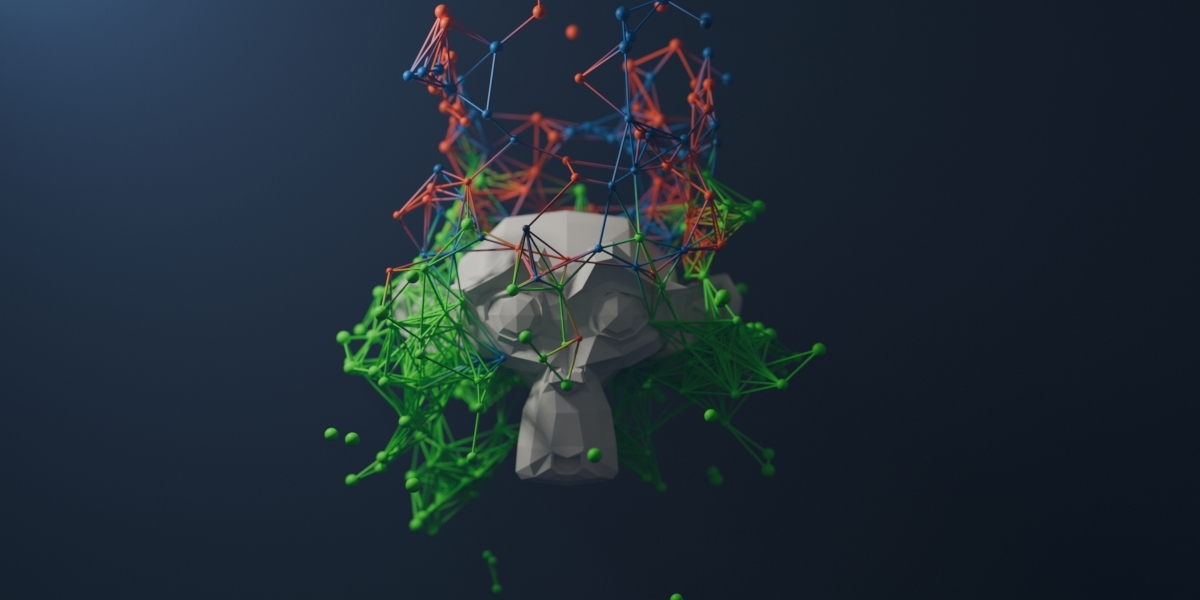
Create branching networks, Bethe lattices, and crystal-like dendritic growth with layered rules, competition, Data Mapping, native preview, and dedicated geometry output.
Build nested conditions and loops, reuse shared Masks across a scene, drive parameters from many more simulation channels, and store custom particle data for later effects and outputs.
Point Cloud, Trails, Instance, Mesher, Upres, and Dendrite outputs now feed native GPU preview, persistent Output Cache, and central Alembic export workflows.
GPU Particles, Pyro, Liquids, MPM, Flow Fields, and Procedural FX

Full GPU Simulation Core
The simulation core runs on GPU compute across particles, Pyro, FLIP/APIC and SPH liquids, MPM materials, granular physics, collision systems, Flow Fields, and logic-driven effects. The same foundation keeps complex setups interactive while allowing different simulation systems to exchange data directly.
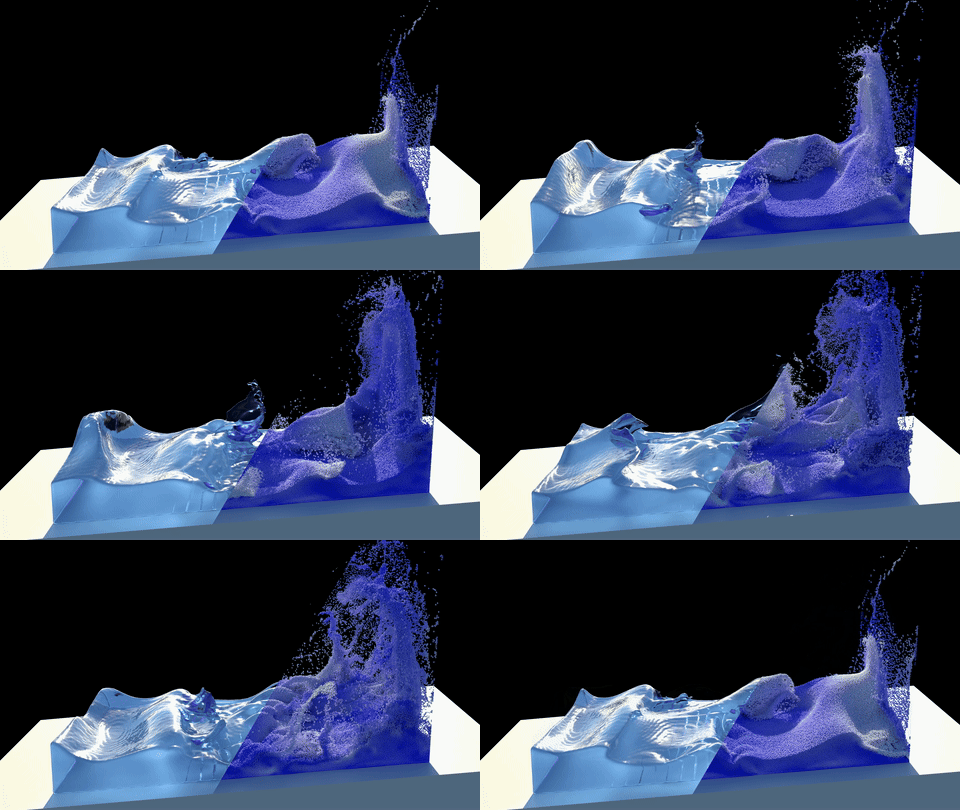
FLIP and APIC Liquids
Pro Particles 5.3 adds a dedicated FLIP/APIC liquid solver for larger-scale fluid motion with controllable transfer behavior, detailed splashes, sheeting, whitewater, waves, reseeding, source mixing, and particle-based meshing workflows.
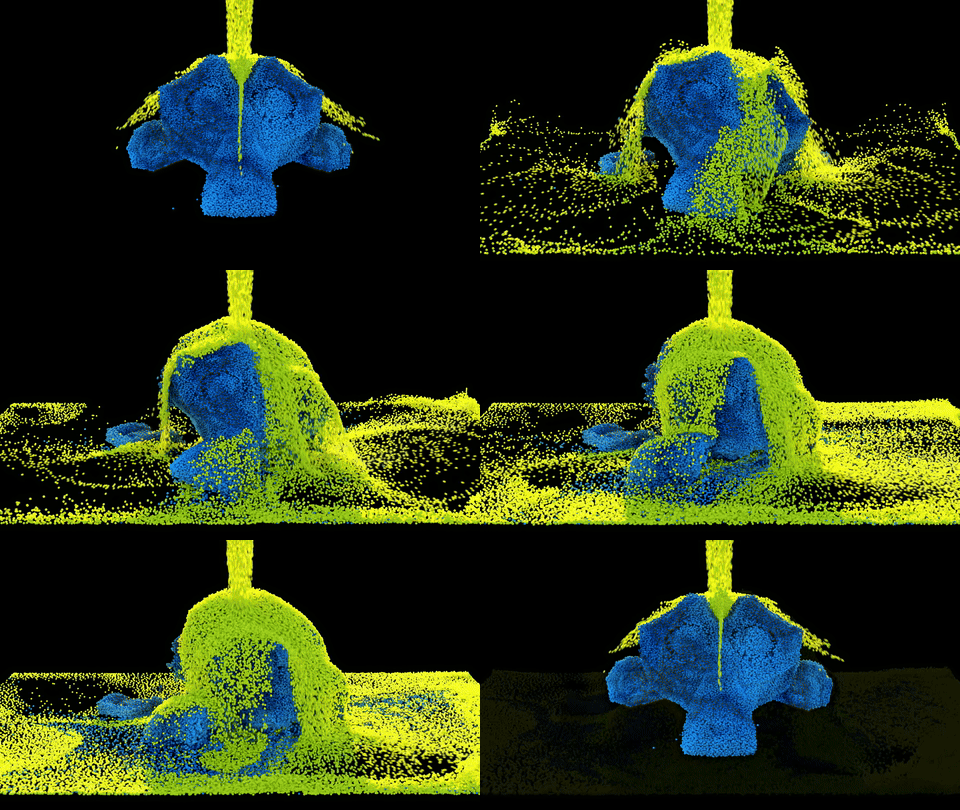
Multi-Material MPM
The new MPM solver handles water, elastic and ductile solids, sand, clay, snow, and foam in one unified simulation workflow. Multiple material types can interact inside the same setup for highly art-directable hybrid effects.
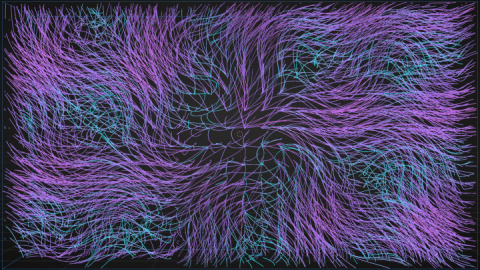
Layered Flow Fields
Build complex motion from stacked Flow Field layers, including radial, vortex, noise, texture, optical flow, particle velocity, FLIP, Pyro, and VDB-driven sources. Shape and combine fields directly inside Blender for procedural, art-directed force design.
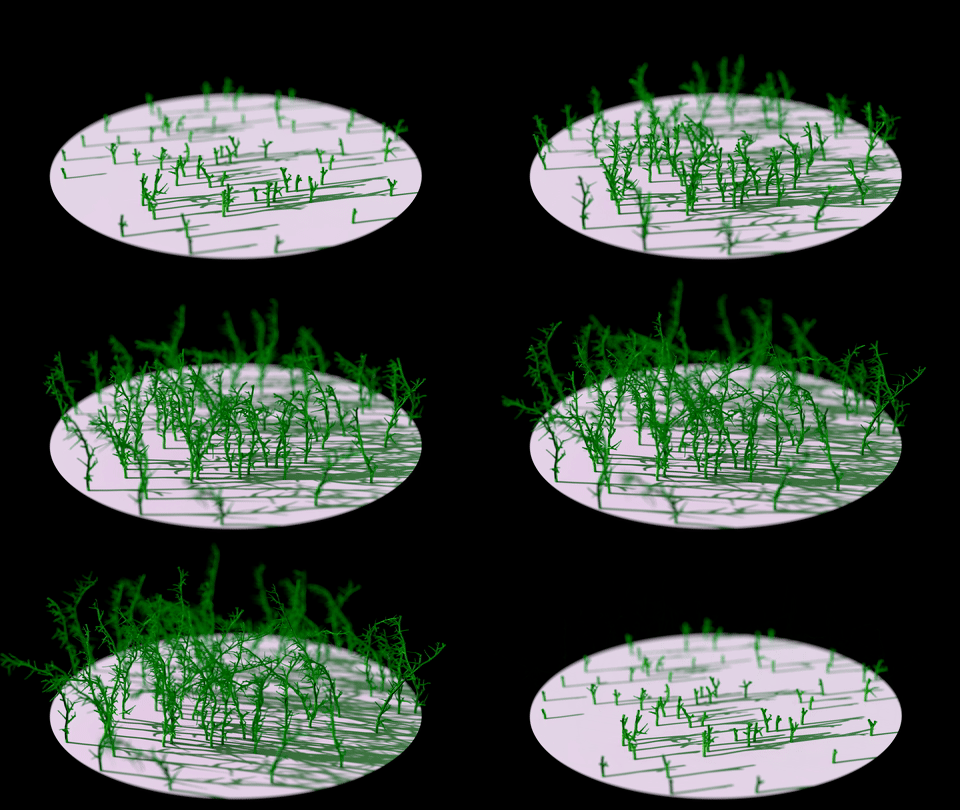
Dendrite Growth
The new Dendrite output creates branching growth structures directly from particle motion. Use it for veins, roots, lightning, crystallization, abstract growth patterns, and other procedural motion-graphics or FX-driven structures.
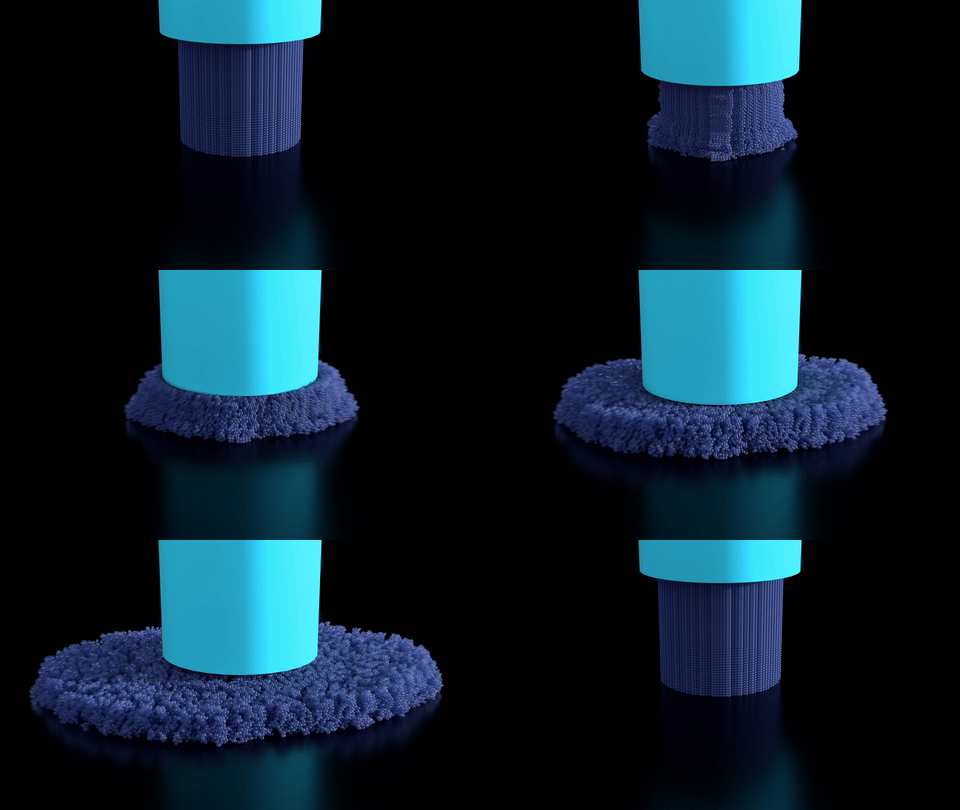
High-End Granular Materials
The rebuilt Granular solver supports stable piles, wet clumps, brittle breakup and ready-to-use material presets for sand, snow, gravel, clay, mud, and soil.
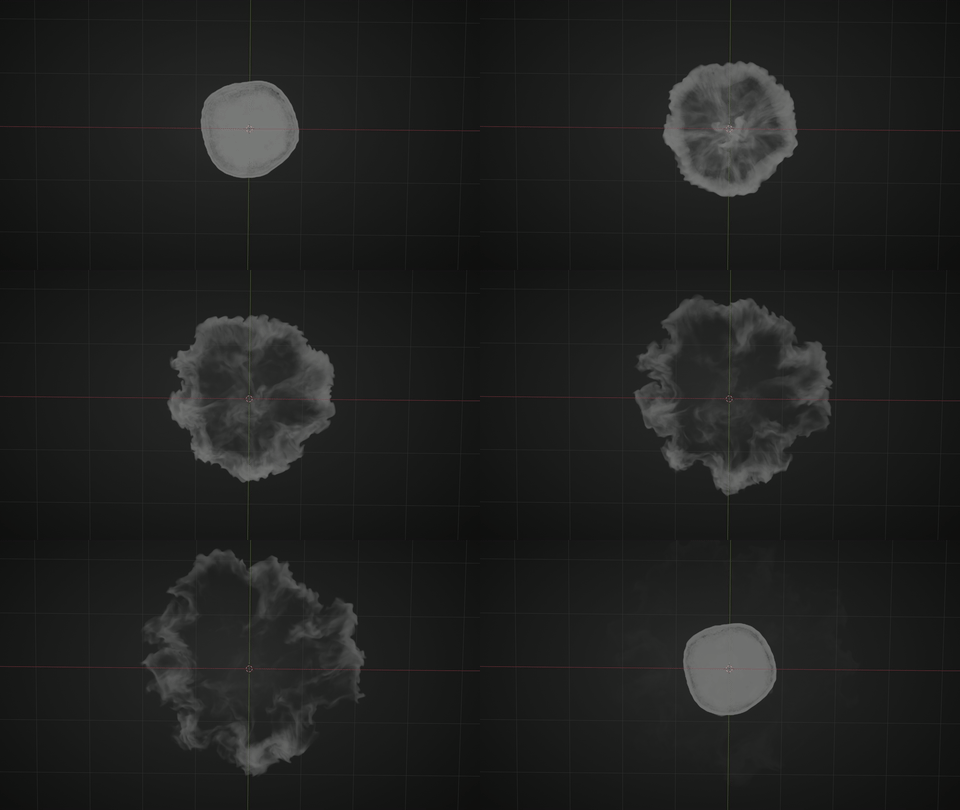
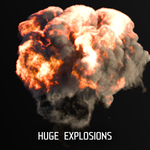
Simulate Smoke and Fire in Real Time
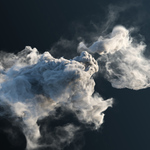
The Pyro module runs on your GPU. Hit play and watch your fire and smoke evolve live in the viewport. Change parameters like heat, buoyancy, and turbulence during creative exploration without baking first.
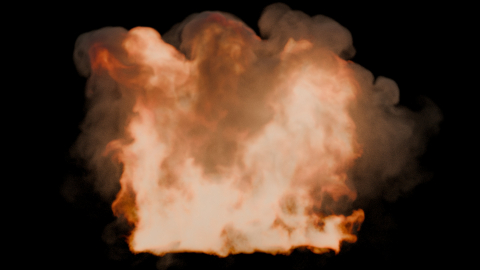
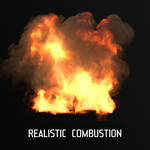
Combustion That Looks Real
A full combustion pipeline lets fuel ignite, release heat, and generate smoke. Oxygen depletion creates rolling fireballs that burn at the surface, while baroclinic torque shreds flame edges wherever hot and cold air meet.
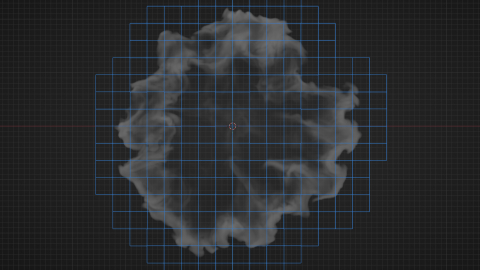
The Death of the Bounding Box
Sparse Pyro only allocates simulation space where smoke and fire actually exist. This makes large, scene-spanning volume effects possible without filling one huge dense box.
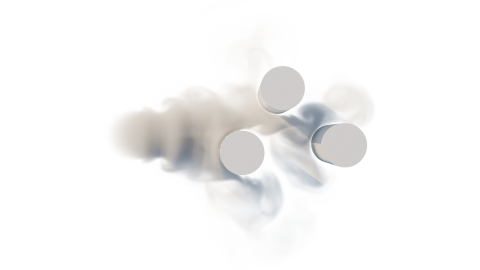
Smoke Reacts to Your Scene
Pyro emitters and colliders support static, rigid, and deforming motion. Moving objects can impart velocity to the surrounding fluid, while deforming cloth, characters, or animated meshes can displace smoke frame by frame.
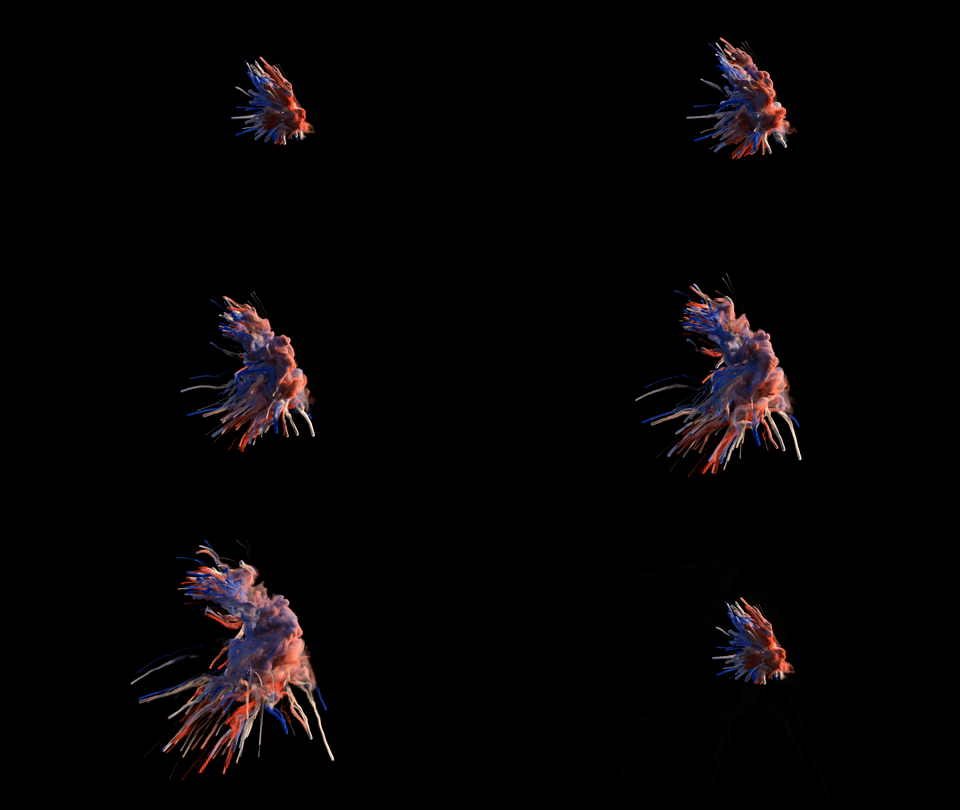
Particles Become Smoke and Fire
Use Pro Particles streams as pyro emitters. Particle motion can seed smoke, fuel, temperature, color, and velocity, so sparks, sand, magic trails, debris, and abstract motion can turn directly into volume effects.
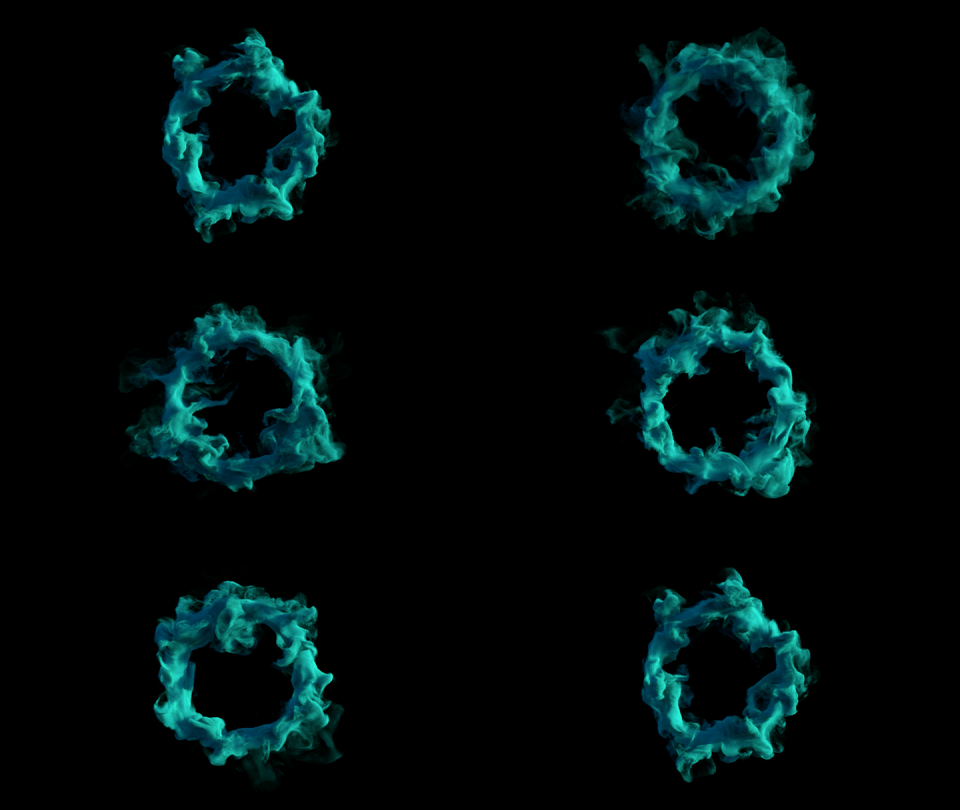
Forces That Sculpt Volumes
Shape smoke and fire with wind, turbulence, vortex, drag, attractors, curve-follow motion, and masks. Pyro stays physically based where it matters, but remains directable for motion graphics and VFX shots.

Stable Collision Response
Particles can collide with static, rigid, and deforming meshes. The contact solver improves sliding, reduces artificial bounce energy, and keeps fast collider scenes more predictable.

Art-Directed Curve Motion
Follow Curve supports direct guiding or force-based steering, separate follow and attraction response, spline assignment, path offsets, twist, orbit behavior, and controlled release. Combine it with forces, color, Logic, and collisions for tightly art-directed motion.
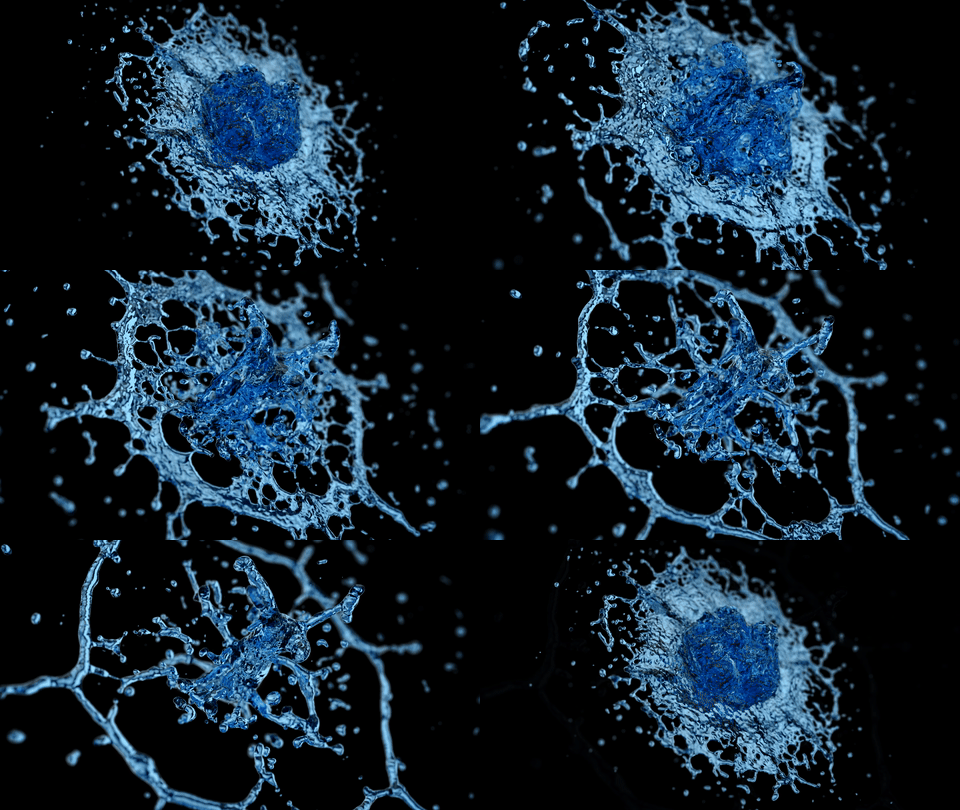
Fast PBF Particle Fluids
The PBF fluid effect remains a fast option for cohesive particle liquids, with source-based fluid mixing and improved momentum preservation. Surface reconstruction is now handled by the dedicated native Mesher, so the same meshing workflow can be reused across particle and Pyro sources.
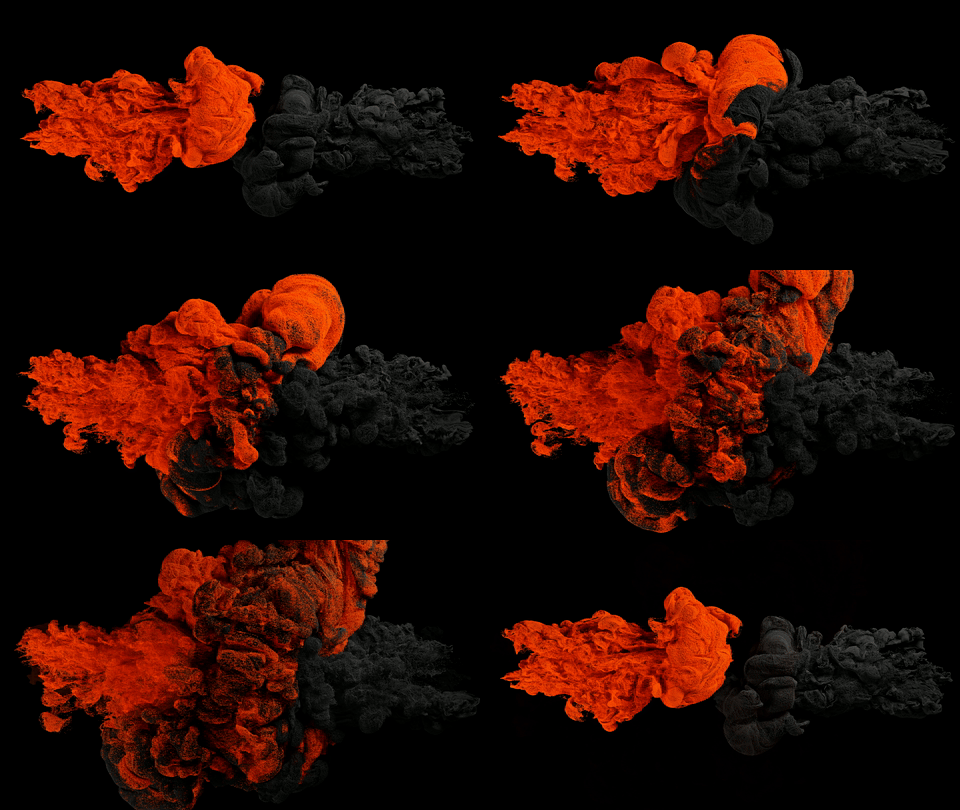
Pyro-Driven Particle Motion
Drive particles directly with live Pro Pyro fields on the GPU. Beyond velocity, particles can retain smoke, temperature, fuel, and flame values so volume data can continue through Logic, Data Mapping, effects, geometry attributes, caches, and exports without a separate VDB roundtrip.

Self Collision and Push Apart
Self Collision gives particles volume and contact, while Push Apart is a fast stabilizer for avoiding visual overlap. Both are useful for dense abstract and motion-graphics setups.

Flocking and Group Behavior
Create swarms, prey/predator systems, target seeking, and group-specific behavior. Named Groups make multiple populations easier to organize, target, filter, and reuse throughout one simulation.
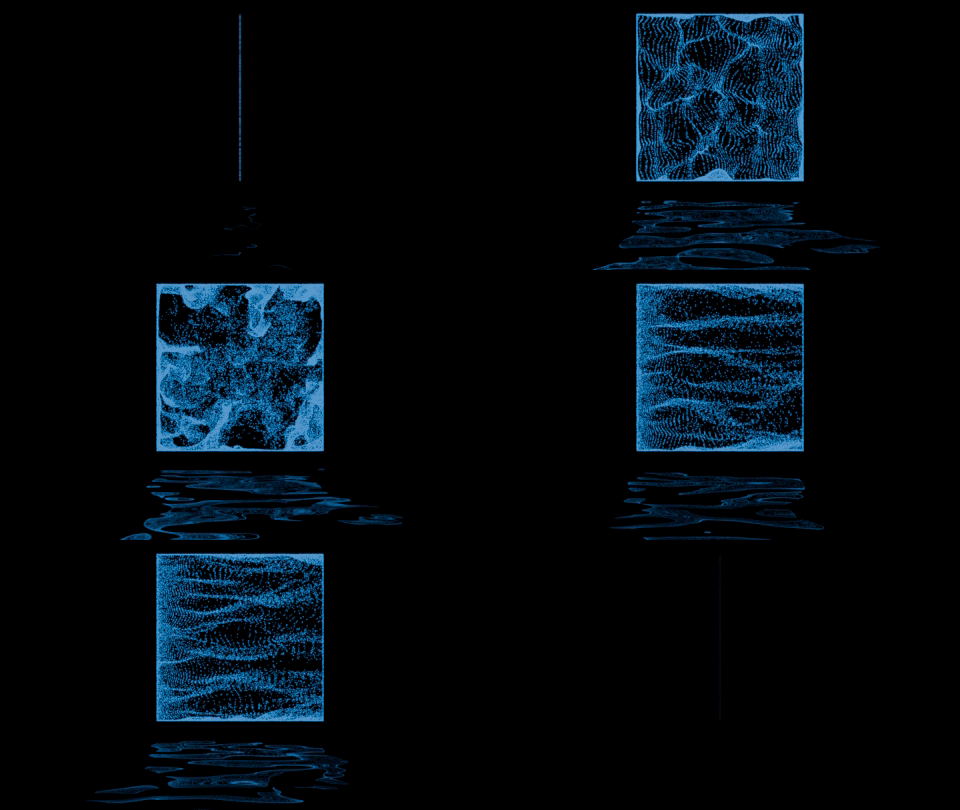
Reusable Masks
Limit emitters, effects, Logic conditions, and mapped parameters with volumes, surfaces, particle properties, noise, random values, curves, proximity, time, and more. Masks can be shared scene-wide, blended, inverted, or made unique wherever a local variation is needed.

Conditional Logic
Build hierarchical If / Else If / Else branches, combine conditions, and run looped actions directly inside the effect stack. Freeze, delete, spawn, recolor, regroup, write custom data, or modify particles when rules based on age, motion, collisions, neighbors, Masks, and other simulation data are met.

Child Particles
Spawn particles from particles using controlled triggers. Create sparks, secondary debris, magical growth, fireworks, branching effects, and cascading simulations.

Native Particle Trails
Create GPU-native trails and connected line or tube geometry from particle motion. Build time- or distance-based trails, sequences, nearest-neighbor links, clusters, and stylized motion streaks with thickness, fading, smoothing, color, and geometry attributes.

Surface Attach
Attach particles to stable points on animated or deforming meshes and surface-bearing curves. Control attachment range and probability, sliding friction, inherited surface motion, attraction or locking behavior, and release conditions for effects that need to break free.

Advanced Color System
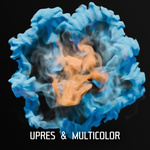
Layer colors like an image editor and drive them from particle age, motion, mass, direction, proximity, textures, random values, procedural noise, fluid/Pyro data, reusable Masks, and custom user data. Blend modes and color ramps keep the result art-directable.

Network Motion
The Network effect creates clean geometric motion with 90-degree directional turns and rounded corners. It is useful for sci-fi UI motion, circuit-like paths, and abstract structures.

Instancing
Replace particles with layered object or collection sources. Filter by Emitter or Named Group and drive rotation, scale, color, billboarding, source weighting, and geometry attributes to build debris, stones, leaves, sparks, crowds, or abstract structures with native GPU preview.

Particle Connections
The native Trails system can connect particles by nearest index, nearest distance, clusters, sequences, or constraint bonds. Use line or tube output, destination-group filters, color controls, and geometry attributes for technical, sci-fi, and motion-graphics networks.
Powerful - Not Complicated
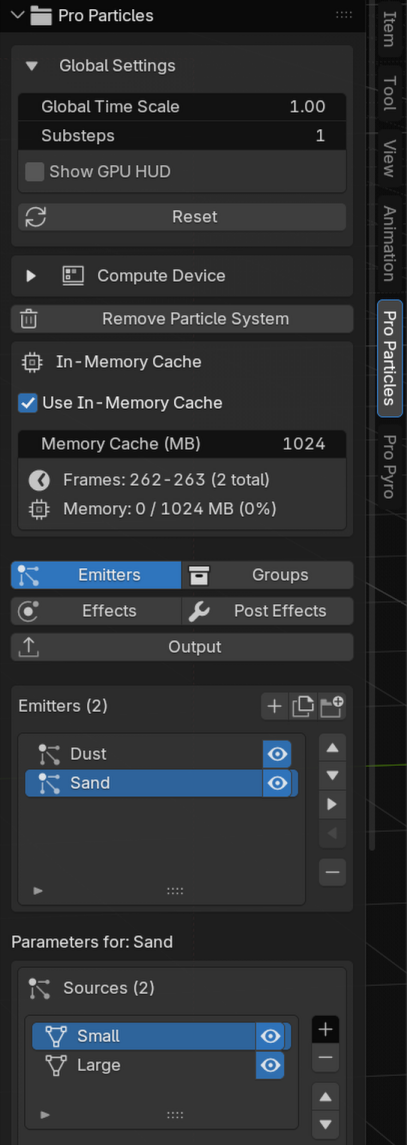
A Clean Blender Workflow
Work through a clear Emitters / Effects / Post / Outputs / Groups layout. Multi-source emitters, Named Groups, folders, reusable Masks, and a dedicated output stack keep large setups organized while the complete artist workflow stays inside Blender.
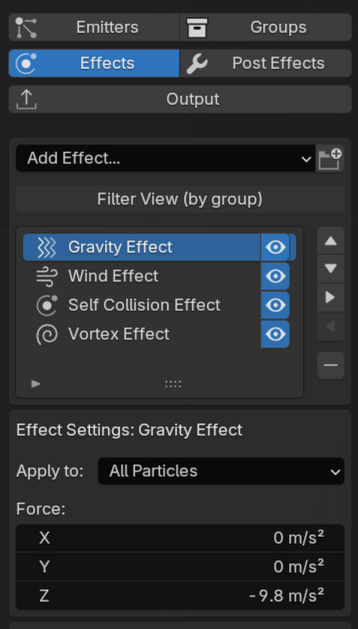
Effect Stack Control
Build the simulation step by step with forces, collisions, FLIP/APIC, SPH, MPM, granular physics, Flow Fields, Particle Constraints, color, Logic, Dendrite growth, and more. Reorder effects to art-direct the result without rebuilding the setup.

Layered Color and Data Mapping
Use simulation data to drive color and effect parameters. Age, motion, neighborhoods, fluid state, Pyro fields, procedural inputs, reusable Masks, and persistent user data can be layered through mapping curves, ranges, blend behavior, and influence controls.

Precise, Reusable Masks
Use volumes, curves, surfaces, objects, noise, time, random values, and particle properties to decide exactly where emitters and effects are active. Share the same Mask across multiple stacks or make a local copy when one setup needs a variation.
Cache, Render, and Finish
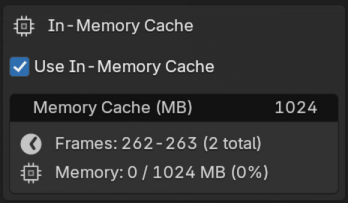
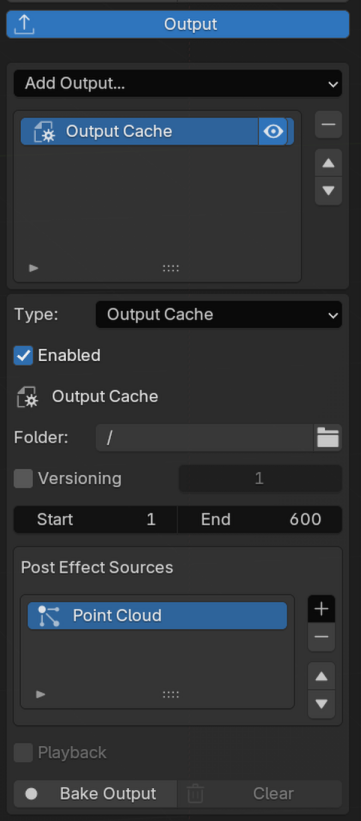
Version 5.3 separates fast interactive playback from persistent final output, making it easier to move from exploration to repeatable rendering.
Use the in-memory Geometry cache for fast timeline playback. For persistent solver-free results, add an Output Cache and bake the selected post-effect streams you actually want to keep.
The central Outputs tab can cache selected Point Cloud, Trails, Instance, Mesher, Upres-driven, or Dendrite results and export Particles, Mesher, Trails, or Dendrite geometry to Alembic with dedicated attribute controls.
Pyro simulations can still be previewed directly as GPU volumes and baked as versioned VDB sequences with selectable channels. Pyro mesh output now uses the standalone Mesher, while geometry export is handled through the same central Output workflow as particle results.
Main Toolsets
Pro Particles 5.3 is a modular GPU simulation and procedural FX toolkit. Combine only the systems you need, or let particles, liquids, materials, fields, Pyro, and geometry outputs exchange data inside one workflow.
Particles & Artist Effects
Multi-source emitters, forces, collisions, Named Groups, Logic, reusable Masks, Data Mapping, Particle Constraints, instancing, trails, and procedural color.
Pyro
Smoke, fire, fuel, flame, combustion, dense mode, sparse mode, colliders, forces, preview, looping, and VDB export.
Liquids & Materials
FLIP/APIC, SPH and PBF liquids, multi-material MPM for water, elastic, ductile, sand, clay, snow and foam behavior, plus the dedicated Granular solver for piles, clumping and breakup.
Fields, Growth & Exchange
Layered Flow Fields can combine procedural, geometric, image, VDB, FLIP and Pyro sources. Dendrite adds branching growth, while live particle/Pyro exchange carries motion and volume data across effects.
Post, Cache & Export
Native Point Cloud, Trails, Instance, Mesher, Upres and Dendrite outputs, fast in-memory playback, persistent Output Cache, Alembic geometry export, and versioned Pyro VDB sequences.
See the Documentation Tab for setup instructions, tutorials, feature details, full changelog, and compatibility information.
System Requirements
| Blender | 4.3 or newer |
| Operating System | Windows 10 / 11 macOS 12+ on Apple Silicon Linux (modern distros only - Ubuntu 22.04+ with GLIBC 2.34+ required) |
| GPU | Pro Particles uses one external GPU simulation engine for particles and Pyro. A dedicated GPU is strongly recommended. Integrated graphics may be significantly slower and are not recommended for production work. Supported backends: Vulkan on Windows and Linux Metal on macOS Apple Silicon Not supported: DirectX 12 OpenGL and CPU software renderers |
| VRAM | 6 GB minimum for pyro work; 8 GB or more recommended for larger particle counts, dense volumes, high-resolution VDB export, and complex scenes. |
| RAM | 8 GB minimum; 16 GB or more recommended. Large Output Caches, VDB previews, geometry exports, and baked simulations can use several GB depending on scene size. |
| Disk | A fast SSD is recommended for persistent Output Caches, Alembic geometry, VDB sequences, and large production bakes. |
What's Included?
- Pro Particles add-on
- Integrated Pro Pyro smoke and fire toolset
- Unified GPU simulation engine binaries for supported platforms
- Built-in pyro presets for Campfire, Dry Ice, Flamethrower, Ink in Water, Magic Portal, Cigarette Smoke, and Explosion
- VDB cache and export workflow for smoke and fire rendering
- Demo files to explore and learn from
- 4 bonus products:
Version & Compatibility Info
Pro Particles is built for Blender 4.3 or newer.
The unified simulation solver runs its particle and Pyro modules on GPU compute. Use current graphics drivers and test the demo if you are unsure about compatibility.
Keep backup copies of production projects before installing major updates.
Licensing
Pro Particles is a one-time purchase with lifetime updates included.
- The Python UI scripts and integration code are licensed under GPLv3+.
- The unified solver executables and native viewport libraries are precompiled, proprietary runtime binaries. Redistribution is prohibited.
- The included node asset content and generated node groups are provided under a Royalty-Free License for personal and commercial projects.
- No subscription or maintenance plan is required for future Pro Particles updates.
The unified simulation solver runs as one external process and communicates with the Python add-on over JSON and shared memory. See the included licensing overview and third-party notices for the component-specific terms.