 Skava
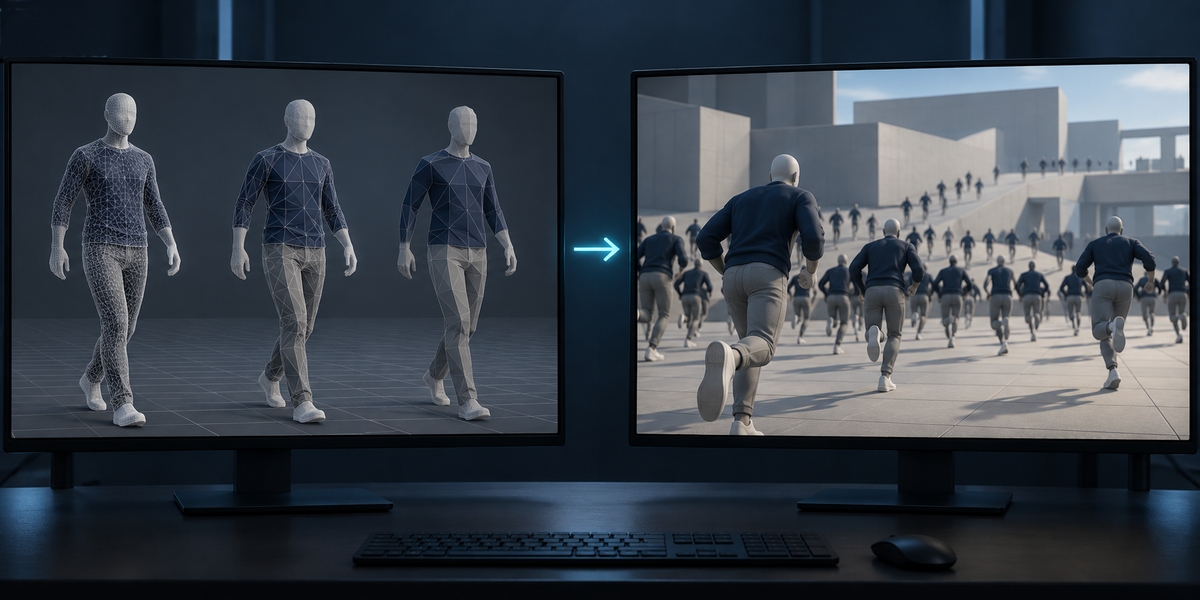



Your character's LODs look fine standing still and fall apart when it runs. SkinLOD builds LODs for Unity that are judged in motion: every level measured in millimetres on your own animations, with fewer bones and influences where they cost the most.
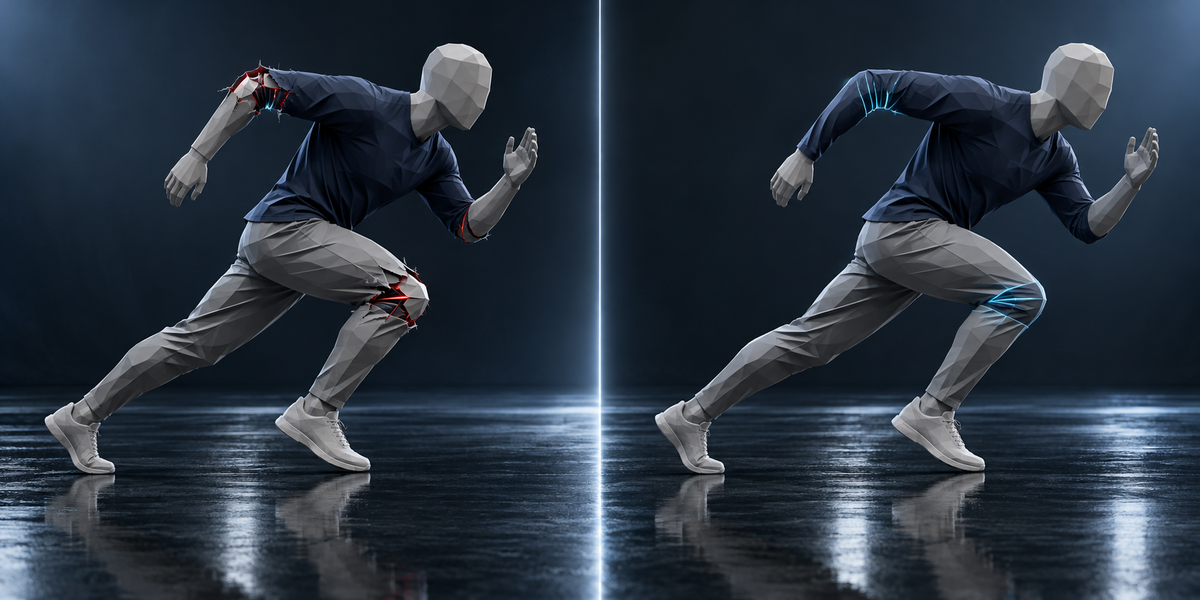
Every LOD tool checks the mesh in its rest pose. That is where a decimated character looks right: the UE5 mannequin at half its triangles is 0.4 mm off at rest and 7.4 mm off mid-run, once its interpolated weights and Unity's four-bone cut take over. Unity 6's own Mesh LOD does not even make skinning cheaper: the full mesh is still deformed. SkinLOD measures where the problem is, and fixes it there.
What you get
- Shapes chosen in motion — each level is decimated, measured over your actions, and decimated again with the places that broke protected; the closest result wins, the plain one included.
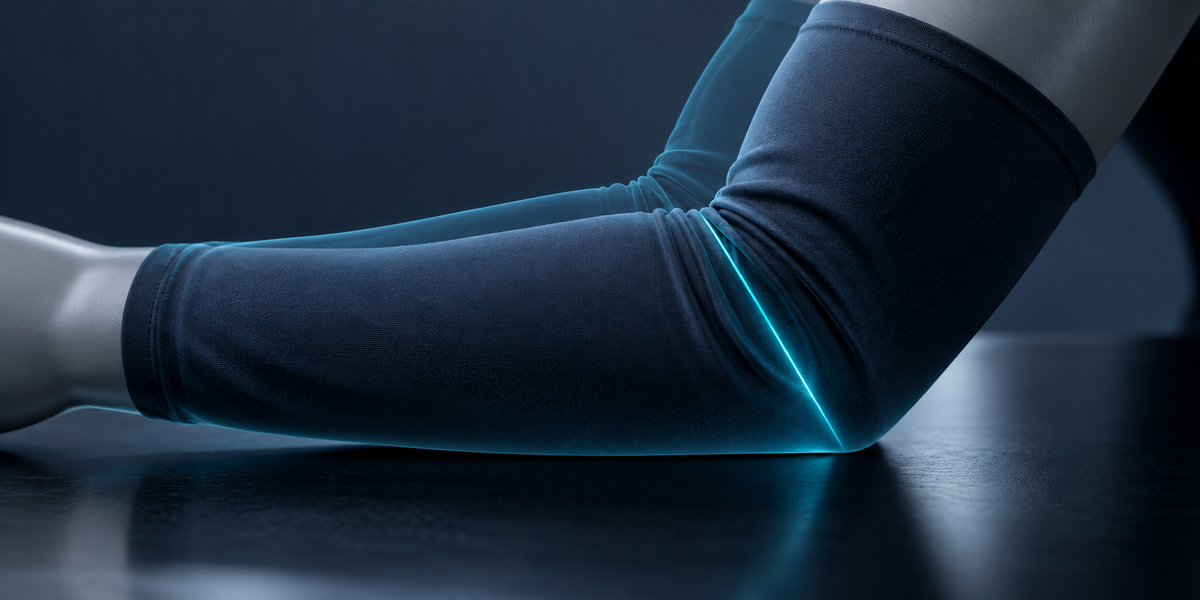
- Weights fitted, not cut — every vertex gets at most 4, 2 or 1 bones, and the weights that bring it closest to where the full mesh puts it, frame by frame — not the strongest few with the rest thrown away. LOD0 too: Unity cuts every mesh to four bones on import.
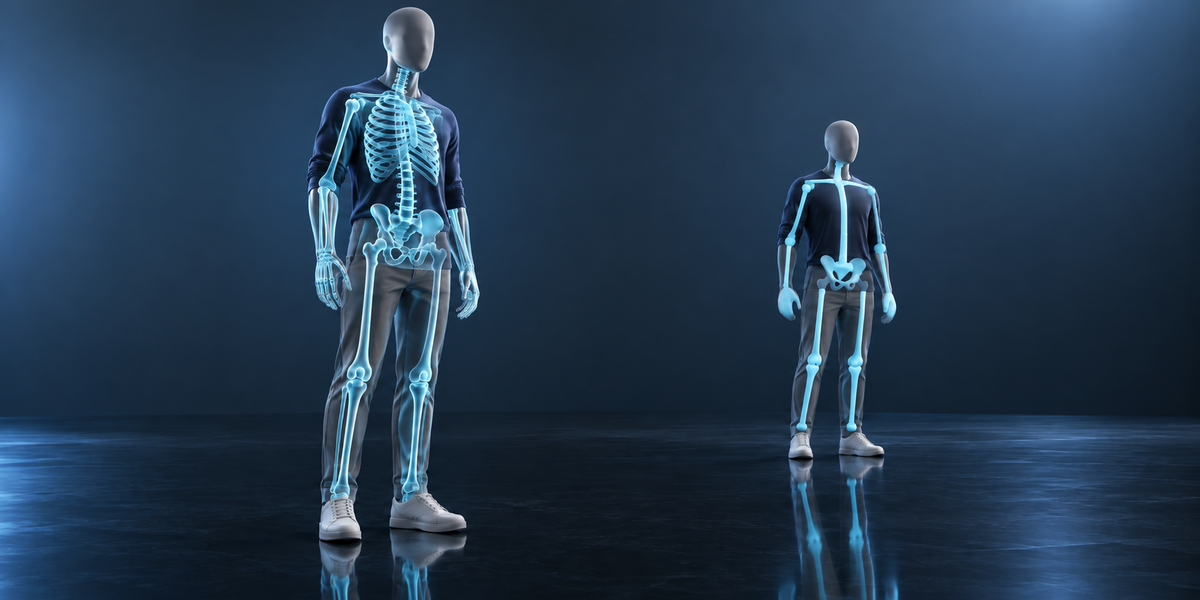
- Fewer bones at distance — fingers, twist helpers and face bones can be folded into the bone they hang from, per level. Unity skins only the bones a mesh uses.
- Numbers you can trust — the weights are fitted on one half of your frames and every number is measured on the other half, both ways between the level and the full mesh.
- Unity in one click — one FBX with every level, a LOD Group whose switch heights come from the measured error and a pixel budget, bones per vertex set per level, and the levels measured again in Unity on your clips.
Measured
- UE5 mannequin, 4 actions, half the triangles: 2.1 mm in motion, against 7.4 mm for plain decimation with Unity's cut. Farthest level: 9,216 triangles, 24 bones instead of 74, skinning work 9.6k instead of 129k.
- Same character in Unity 6: 1.8, 17.7 and 78.6 mm for the three levels, where Blender measured 1.9, 17.7 and 79.8 mm.
- Cesium Man, half the triangles: 6.6 mm against 25.6 mm; CMU motion-capture figure: 5.6 mm against 12.2 mm. Where the cut is already as good (rigid parts, very light meshes), SkinLOD keeps it and says so.
Blender 4.2 to 5.2, tested in Unity 6. No AI, no cloud, no account.