 Solaris Core — MHD-INT
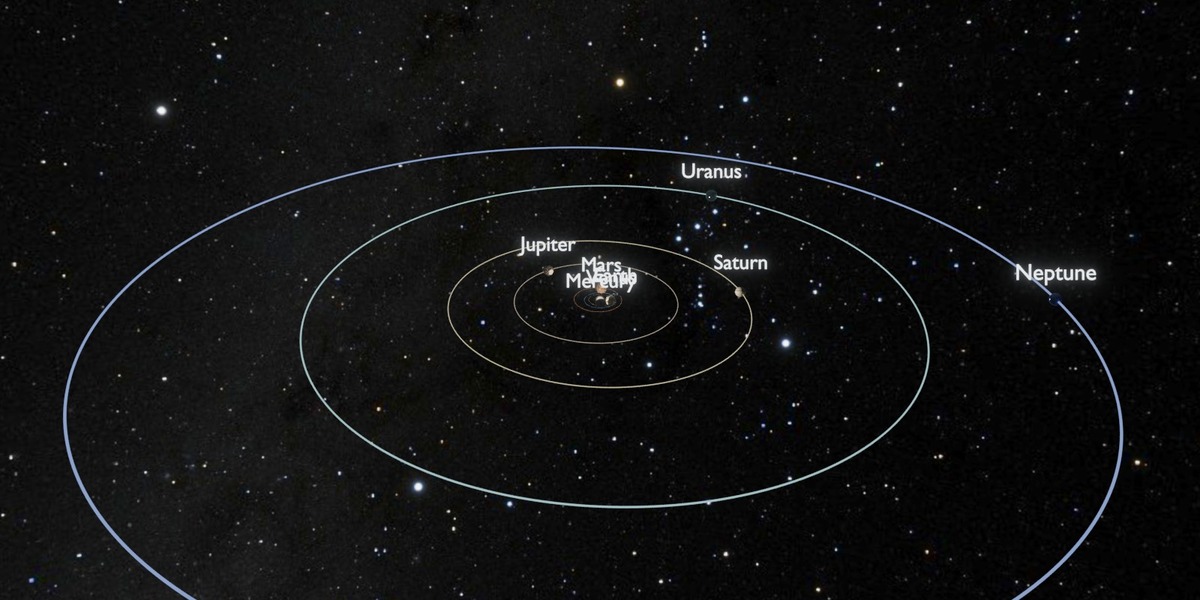
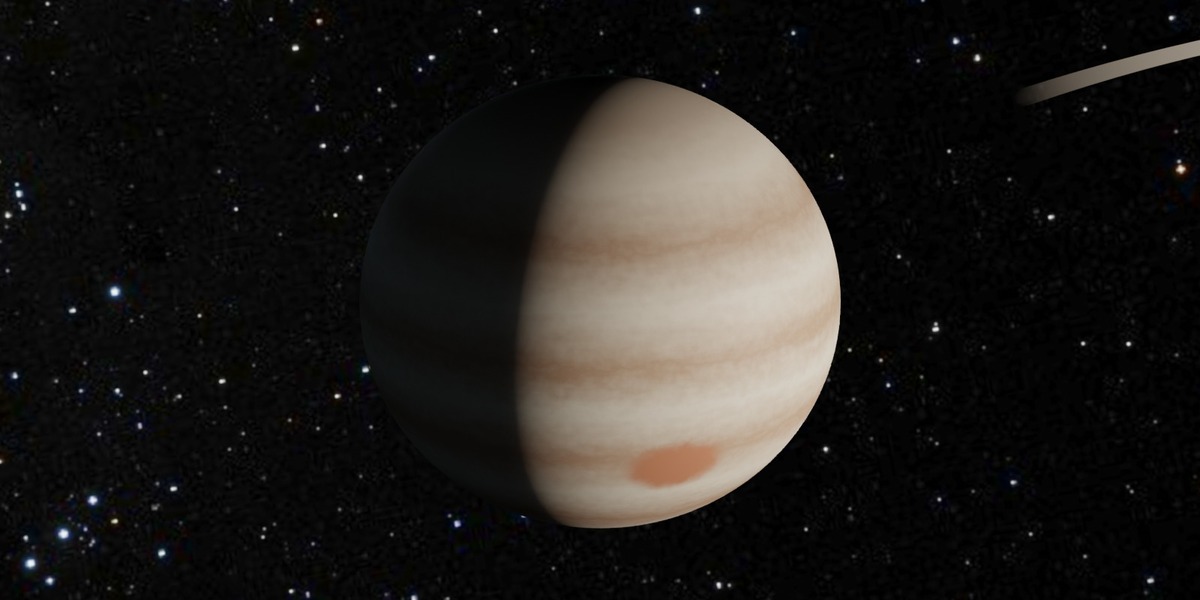
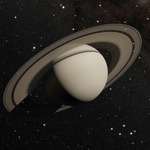
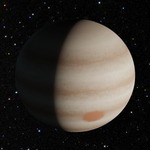
Pick a date, run the script, and get the Solar System as it really was or will be on that day.
What's included
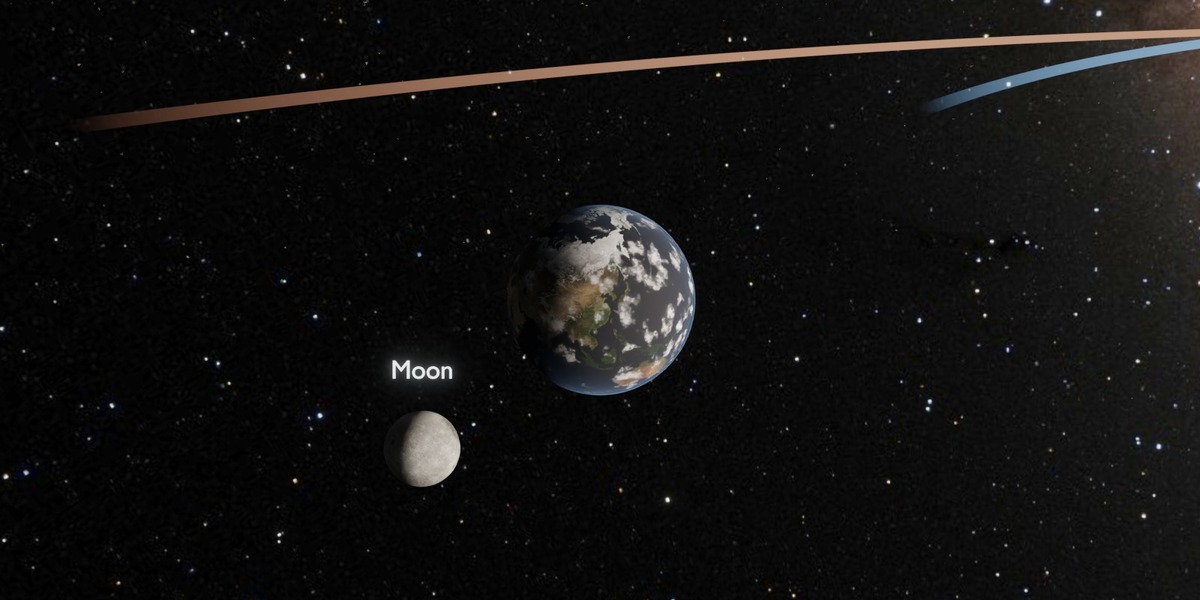
- Sun, Mercury to Neptune and the Moon, placed with the JPL approximate Keplerian elements (Standish) and a Meeus-style lunar position, valid 1800–2050.
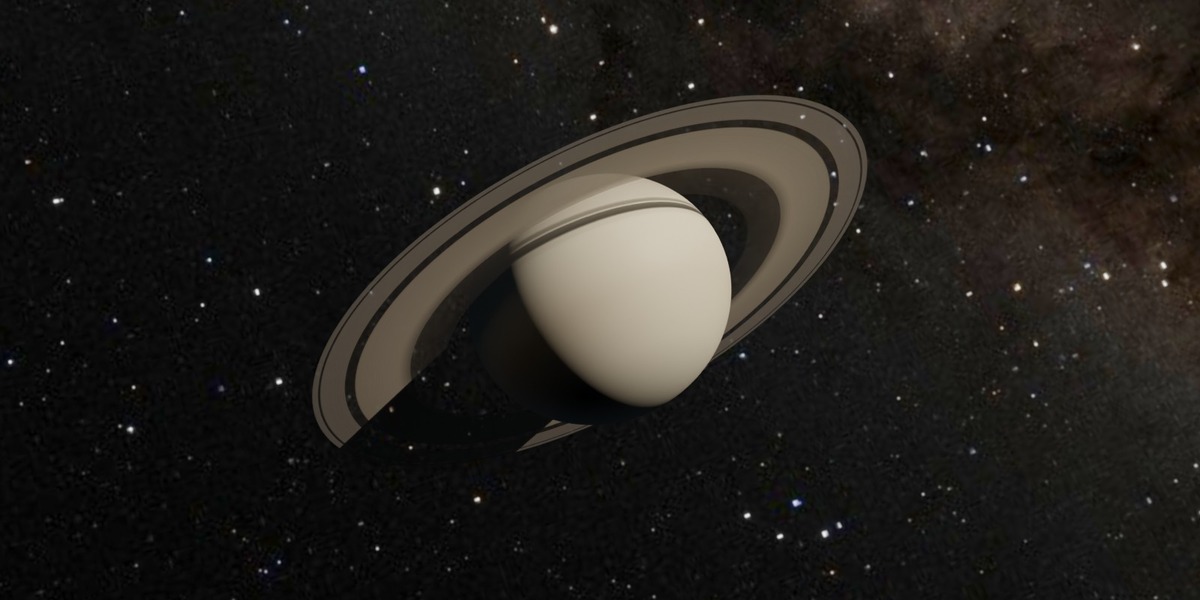
- Real axial tilts and rotation (IAU orientation), and Saturn's rings with the real opening angle for the chosen date.
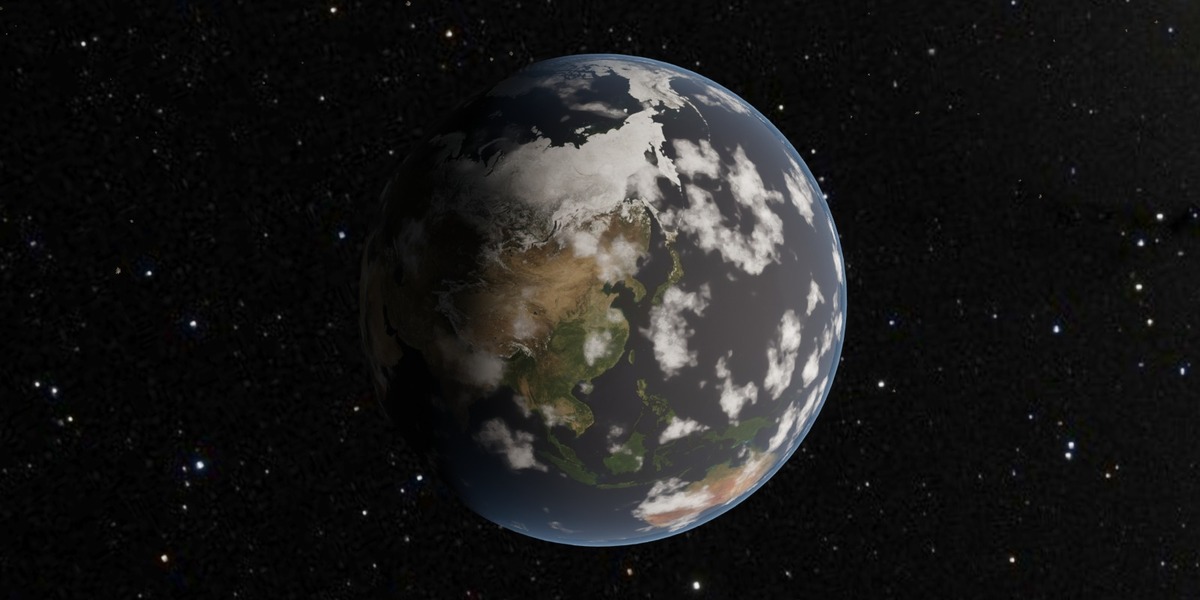
- Real textures for Earth, the Moon and the star sky, with optional constellation lines (credits included). They are packed inside the .blend.
- 14 cameras: general, inner system, top views, Sun, Earth, Earth–Moon and one per planet.
- Studio lighting (not physical, good-looking) or physical lighting (1/r², per-camera exposure).
- Adaptive scale: sizes follow the camera distance so planets stay visible; set TRUE_SCALE for real proportions.
- Optional animation (DAYS_PER_SECOND, DURATION_DAYS), labels, orbit lines and a soft glare in the compositor. 366 frames by default.
- A ready-to-render .blend (Cycles) with the script embedded, plus the script itself so you can change any setting and rebuild.
- README with what is real and what is not, CREDITS with all references.
What is illustrative (we say it up front)
- Positions are an approximation (arc-minute class), not a high-precision ephemeris.
- Default date is 2026-10-04; the script computes the Sun's elevation above Saturn's ring plane as 7.7° then. Try START_DATE "2032-04-10 00:00" for the maximum opening.
- With the default adaptive scale, sizes and distances are NOT to scale; the README says what is scaled.
- Planet surfaces other than Earth and the Moon are illustrative procedural materials, not photographs. No moons of other planets, dwarf planets or comets.
Who it is for: science communicators, teachers, planetarium and YouTube creators, and anyone who needs the Solar System as it looked on a specific date.
Data: JPL (Standish), Meeus, IAU WGCCRE 2009. Textures: NASA (credits in CREDITS.md). Not affiliated with or endorsed by NASA.