MHD-Int Solar System — Real Positions 1800–2050 With Real Orientations and Textures
 Solaris Core — MHD-INT
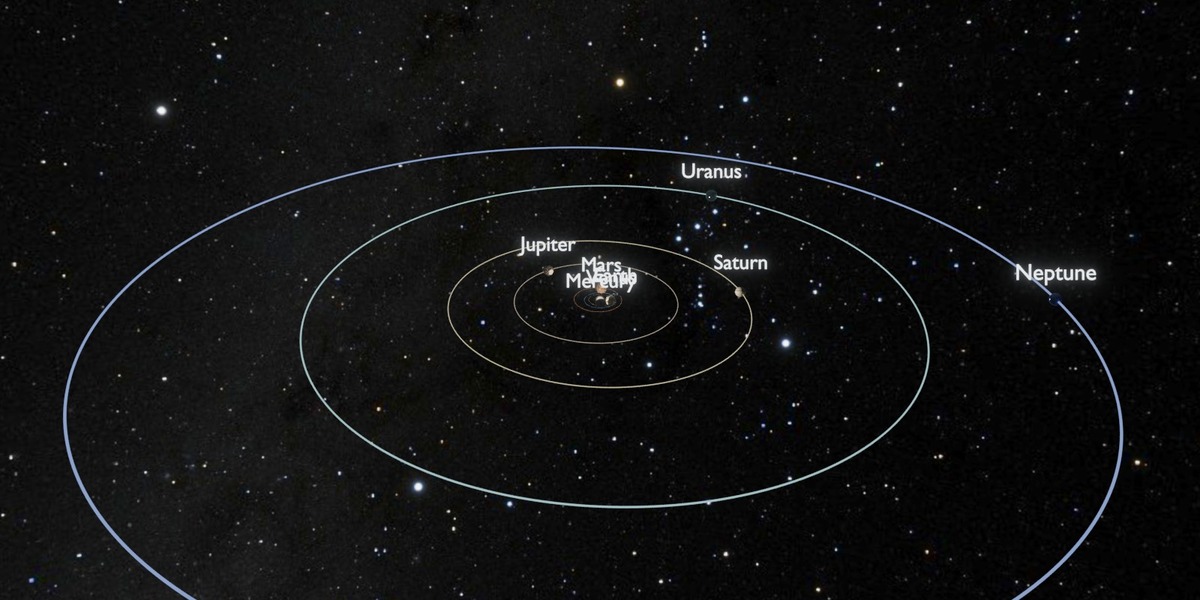
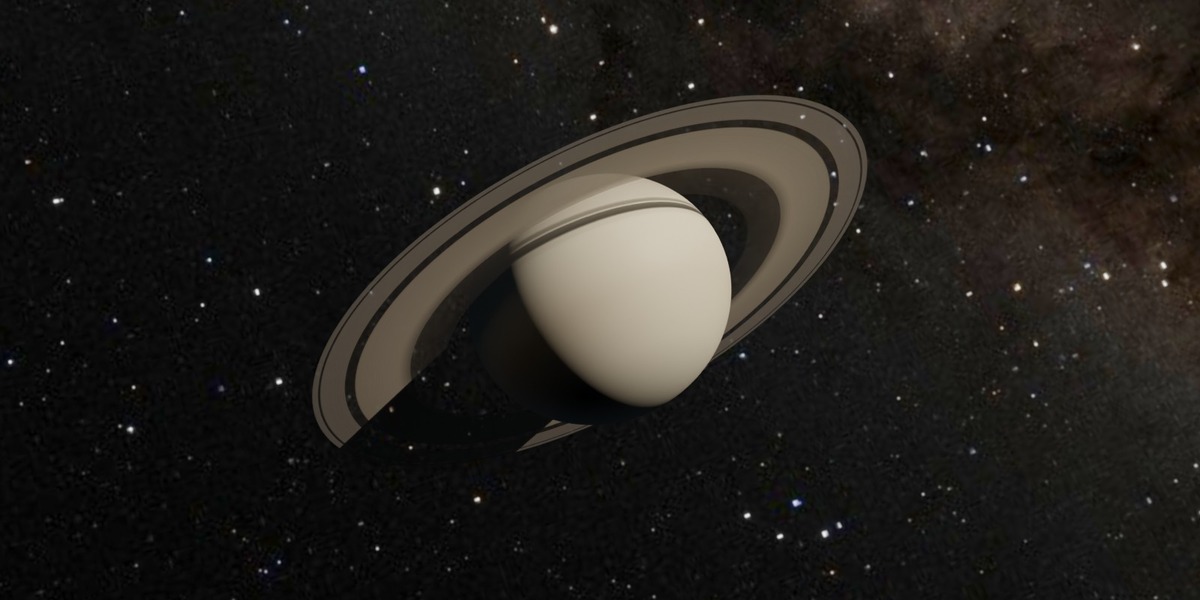
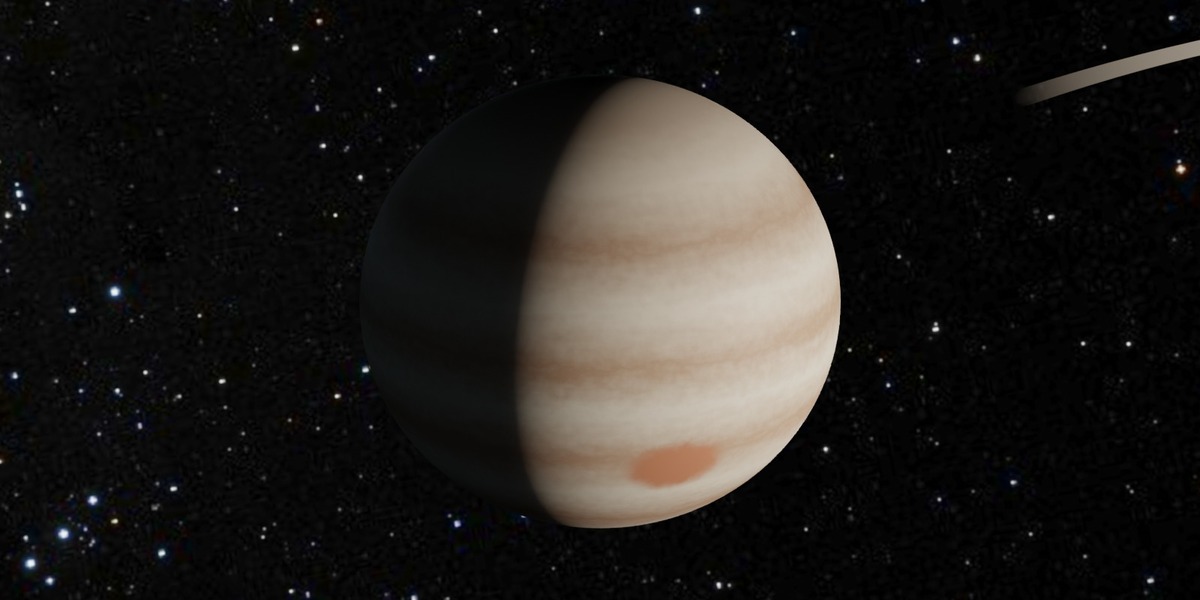
Where do the numbers come from?
JPL approximate planetary positions (Standish), NASA Planetary Fact Sheet, Archinal et al. 2011 (IAU orientation), Meeus ch. 47 and 12. Full list in CREDITS.md.
Which Blender version do I need?
Blender 4.2 LTS or newer. Older versions (3.x) are not supported.
Does it work with EEVEE?
It has only been tested with Cycles. Materials and lighting were tuned for Cycles.
Can I use the renders commercially?
Yes. Images, animations and scenes you create are yours, including for commercial projects. The script itself is GPL-3.0-or-later.
Do I need an add-on?
No. Positions are computed by the included script; the textures are packed in the .blend. No add-on is required.
Can I change the date?
Yes. Set START_DATE at the top of the script and press Alt+P. Valid range: 1800–2050.
Where do the textures come from?
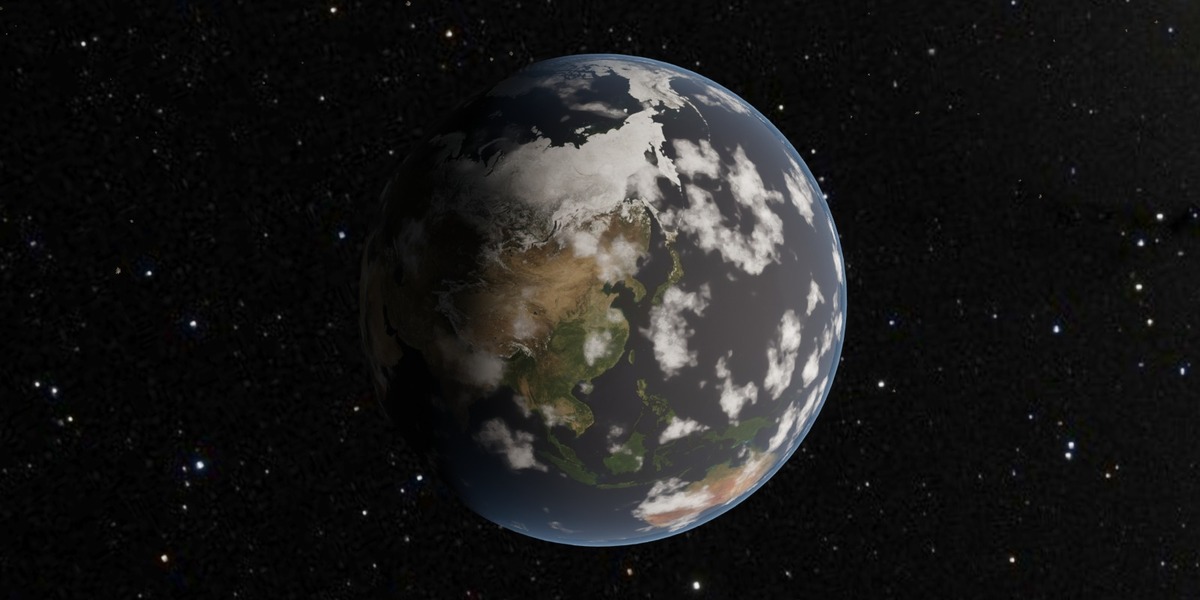
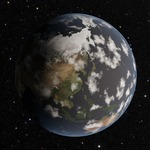
NASA imagery for Earth, the Moon and the star sky, credited in CREDITS.md. Please check the original source pages for the current usage terms.
Is it to scale?
Not by default. Planets are enlarged when the camera is far away so you can see them. Set TRUE_SCALE = True for real proportions (planets become tiny).
Are the positions real?
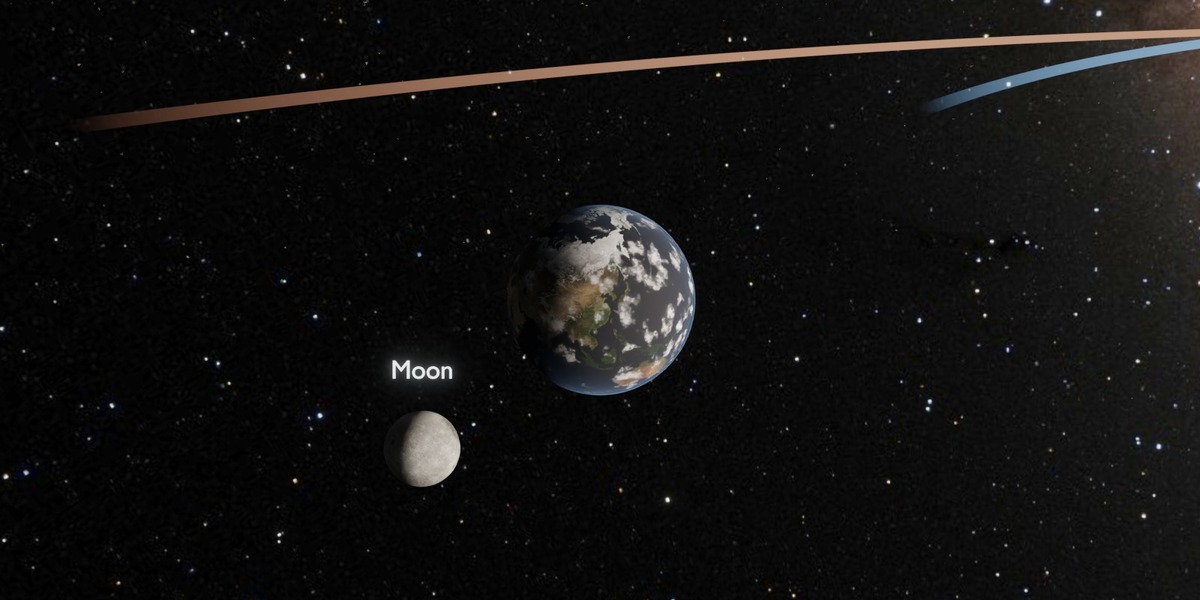
Yes, to arc-minute accuracy: JPL approximate Keplerian elements (valid 1800–2050) for the planets and the main terms of Meeus for the Moon. It is not a high-precision ephemeris.
Have questions about this product?
Login to message
| Published | 12 days ago |
| Blender Version | 4.2 - 5.0 |
| Render Engine Used | Cycles |
| License | GPL |
Discover more products like this
Science Planets space education ephemeris Moon procedural Solar System Saturn real positions astronomy