 Satabol
Voronoi Meshwork (VM)
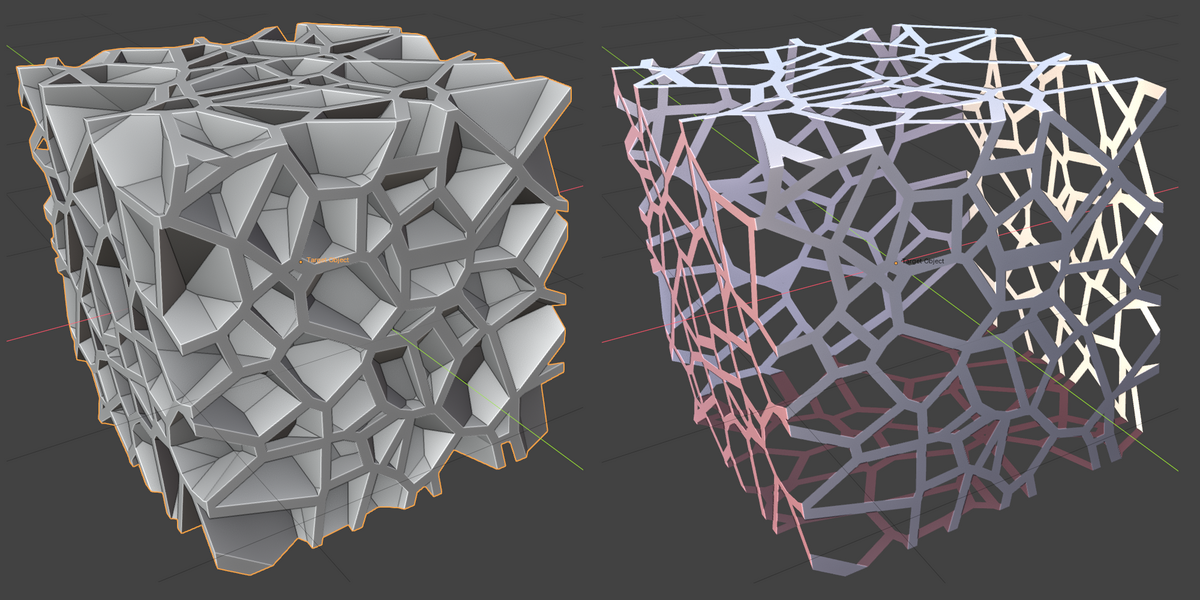
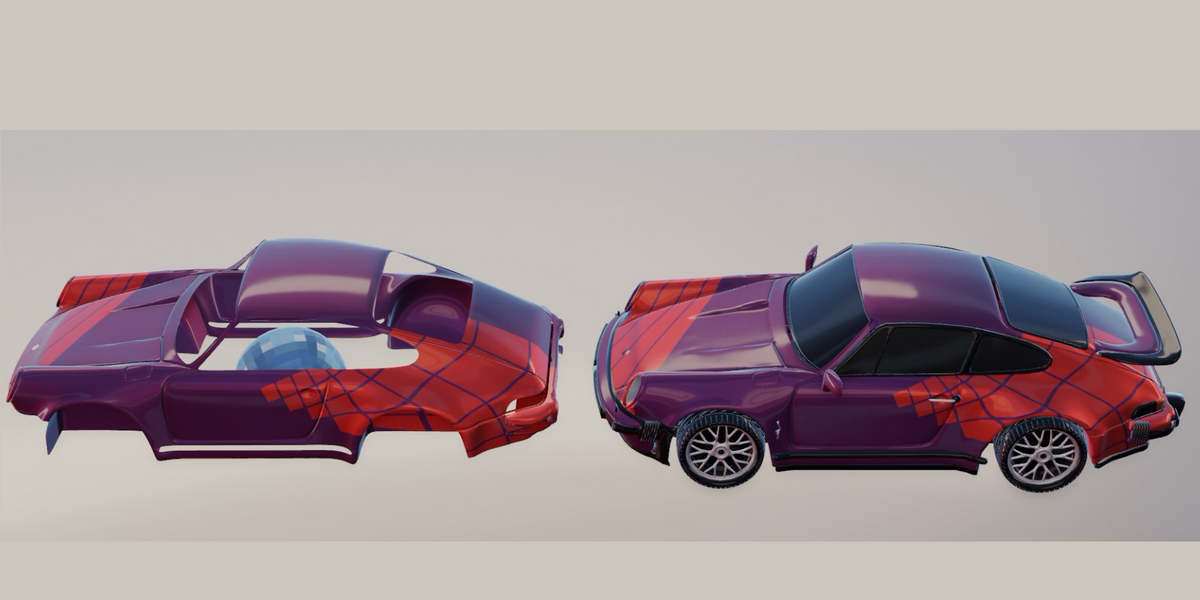
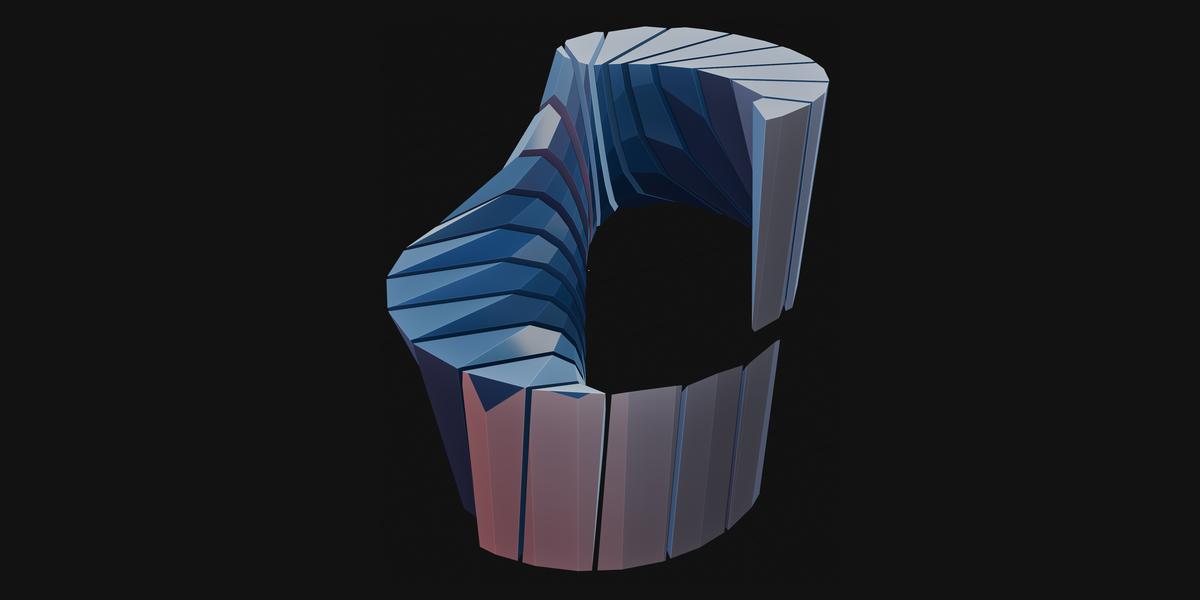
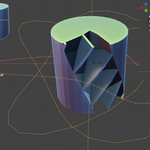
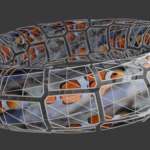
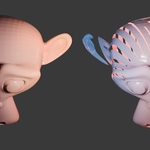
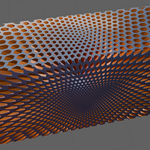
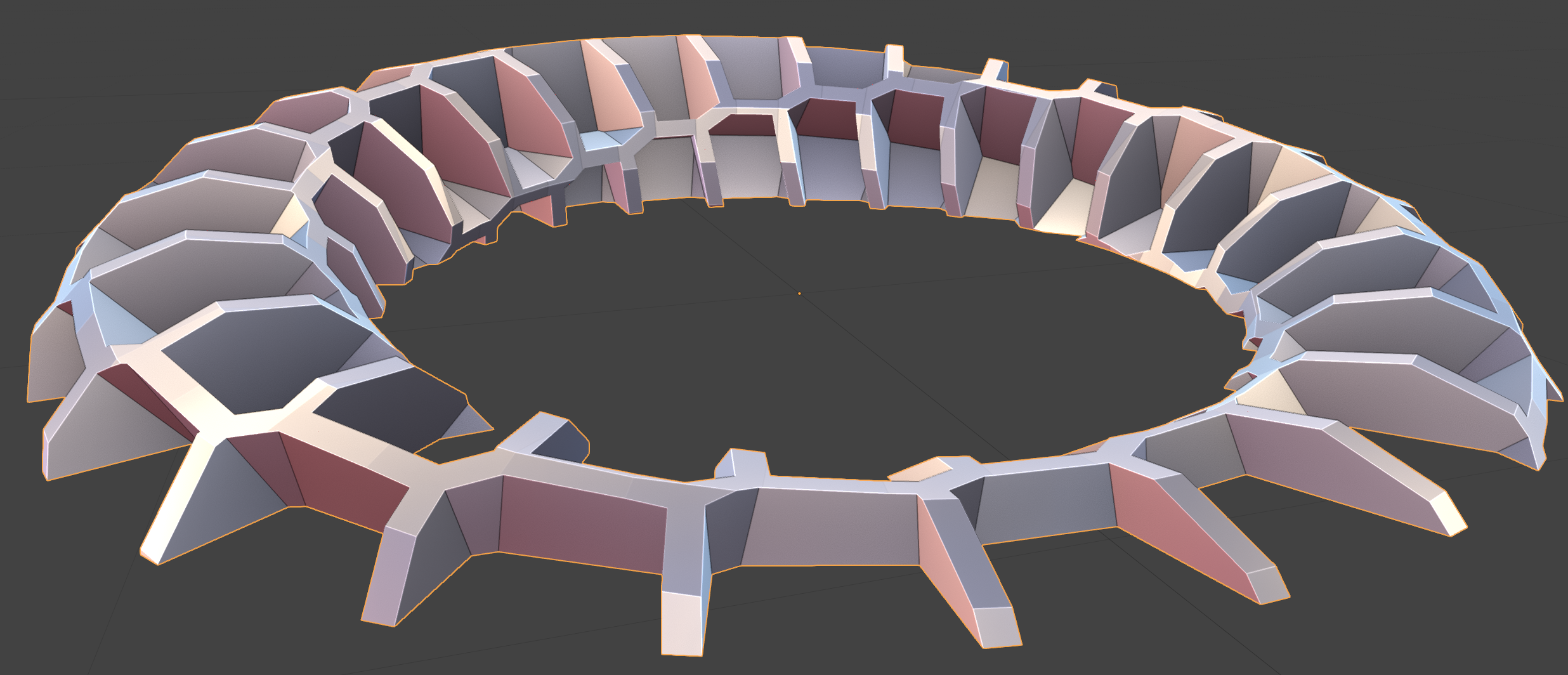
VM is a Blender add-on designed for the non-destructive creation of Voronoi diagrams on objects of various shapes and complexity.
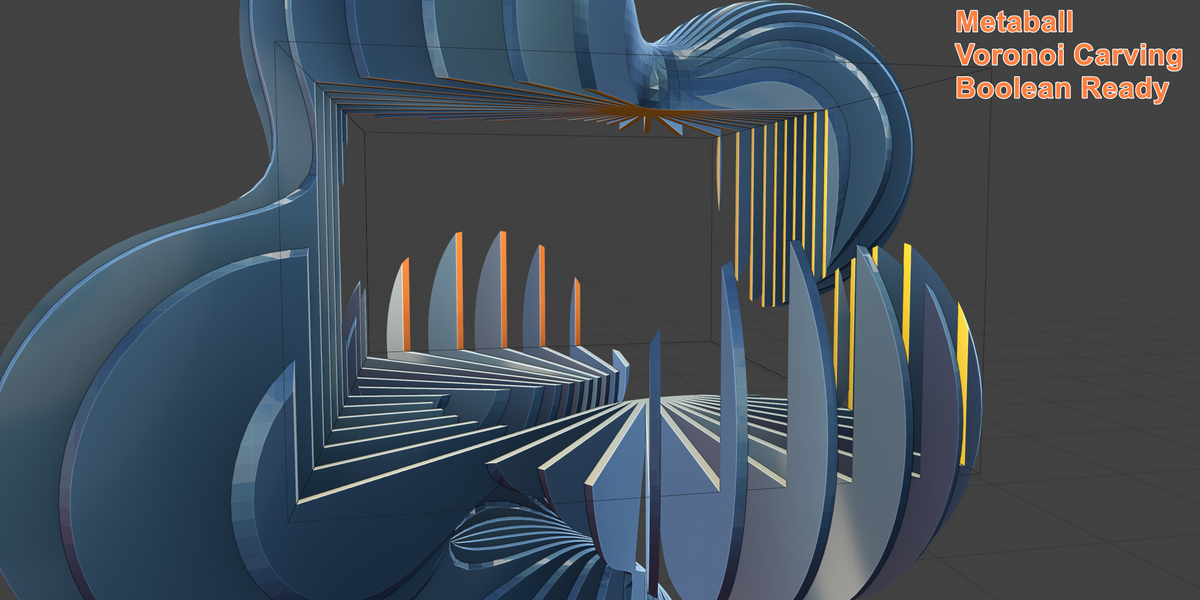
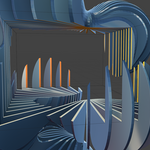
One of the key features of the add-on is the ability to control the shape of the resulting geometry through the arrangement of sites — points that define the structure of the Voronoi diagram.
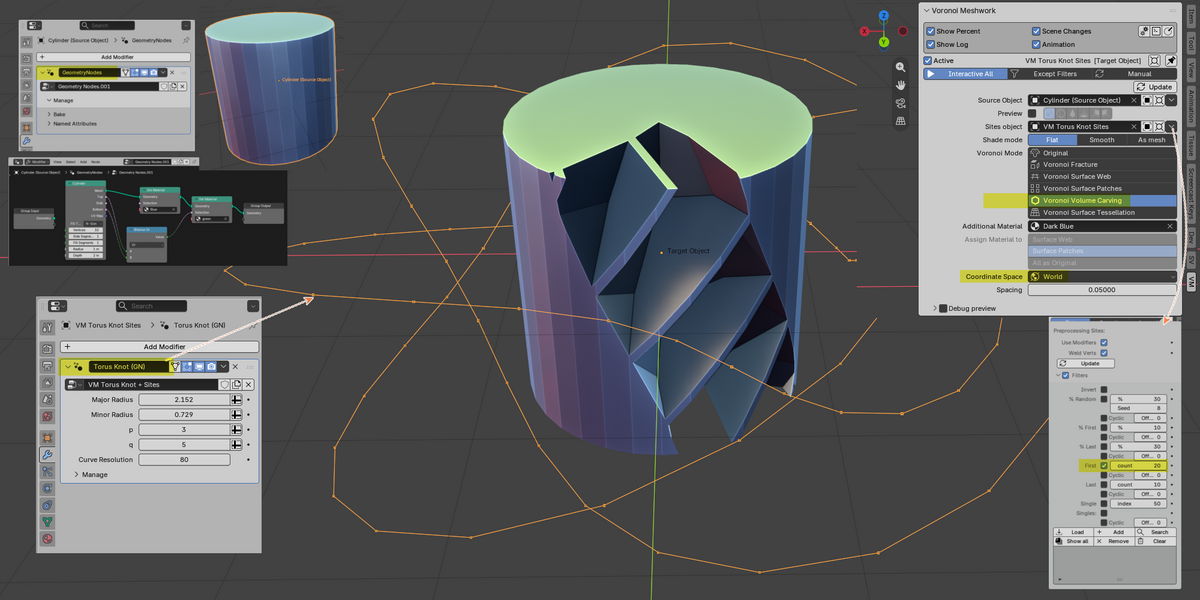
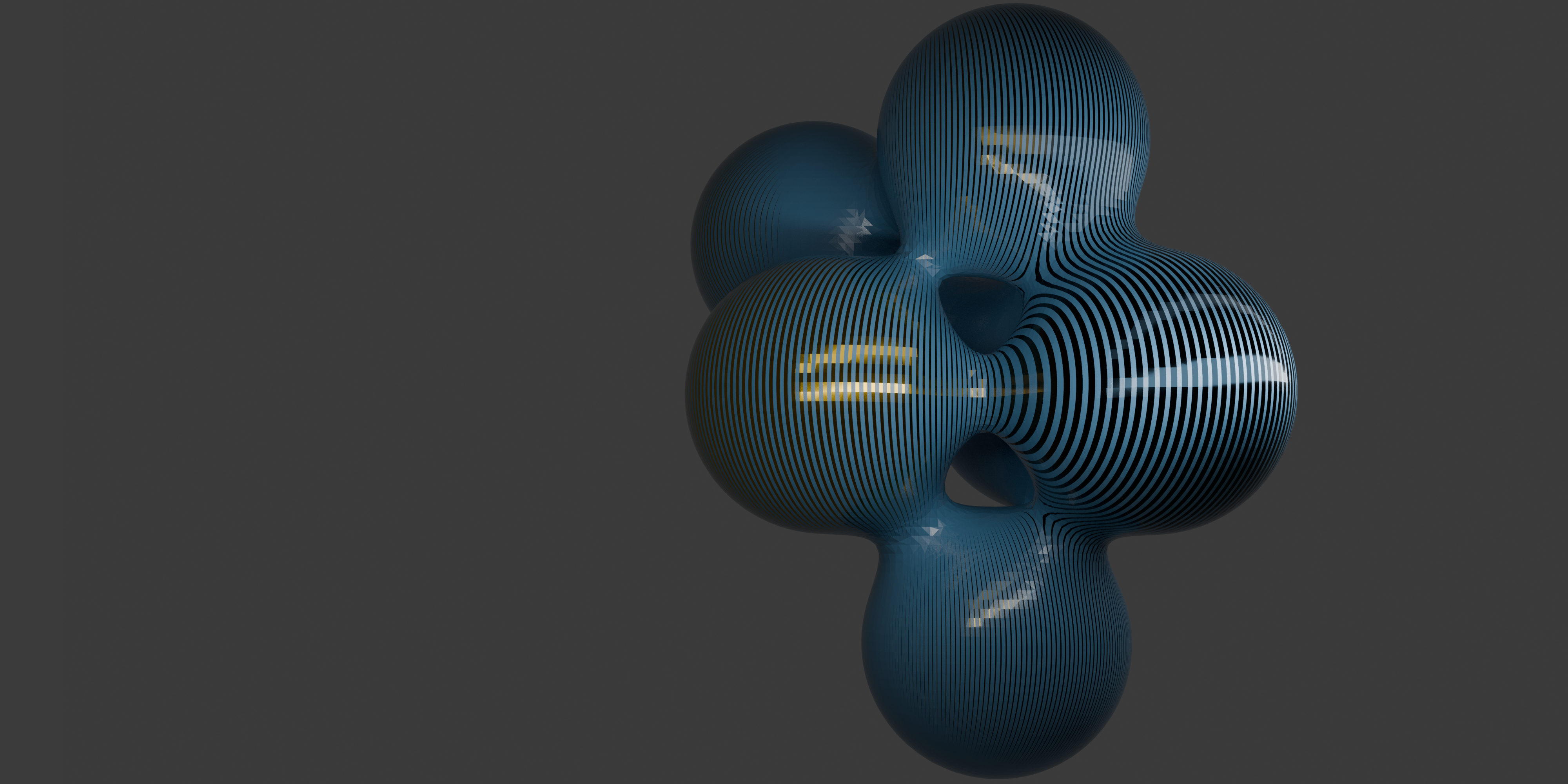
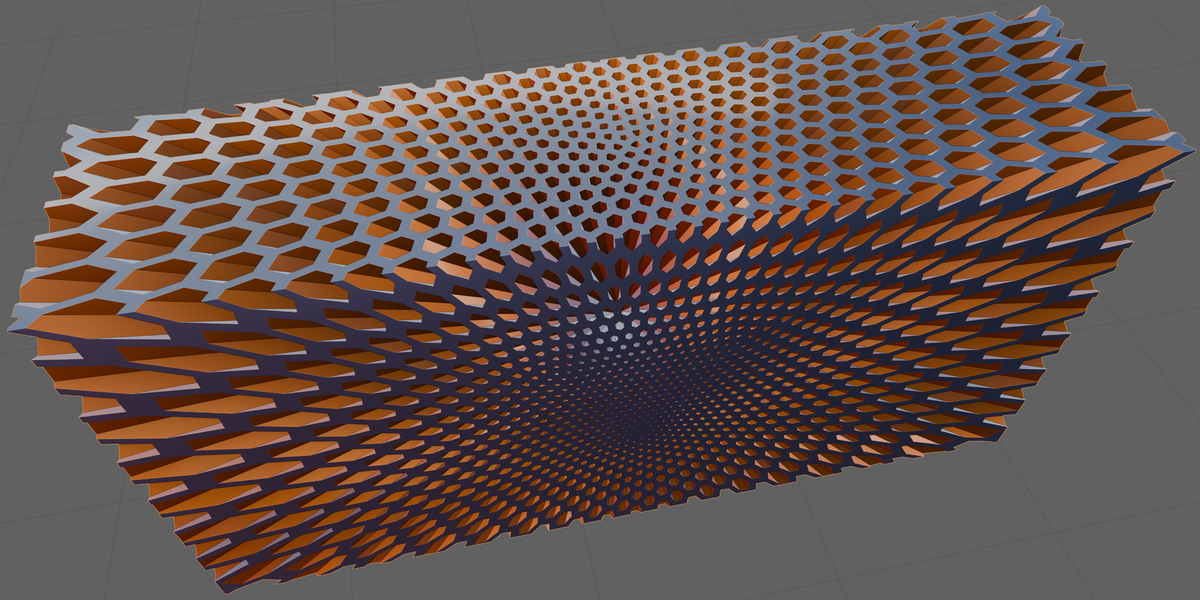
Use custom site distributions created with Blender objects or Geometry Nodes — including symmetrical patterns, spirals, Fibonacci-based arrangements, and other procedural constructions. Automatic support for 1D, 2D, and 3D site distributions. Voronoi Meshwork automatically handles collinear (1D), coplanar (2D), and fully three-dimensional (3D) site distributions, regardless of their orientation in space. No manual dimensionality configurations. This allows you to create not only organic and irregular structures, but also organized geometric patterns with controlled rhythm, density, and symmetry.
Key Features:
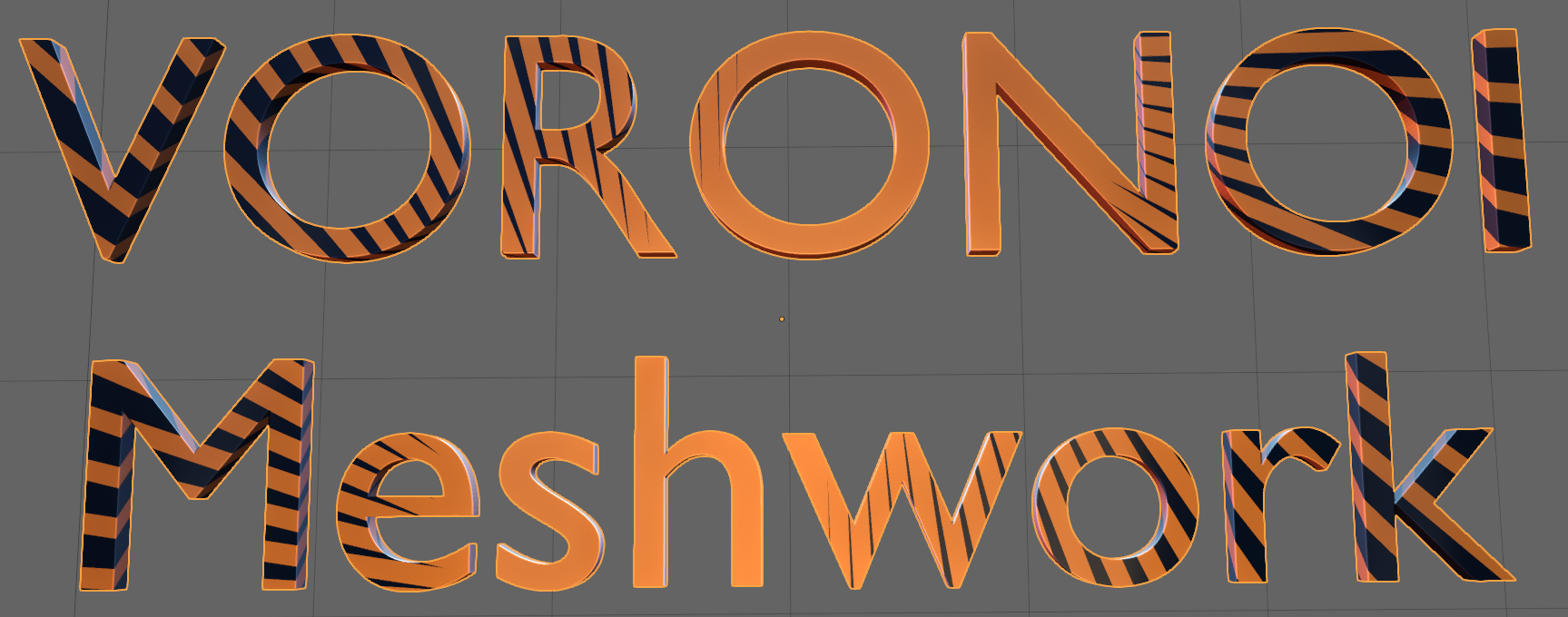
- Support for various types of source geometry. Generate Voronoi diagrams on Mesh, Curves, Surfaces, Text, and Metaball objects.
- Custom site placement. Use custom point sets, as well as Mesh, Curves, Surfaces, Text, Metaball, and Point Cloud objects as sources of sites.
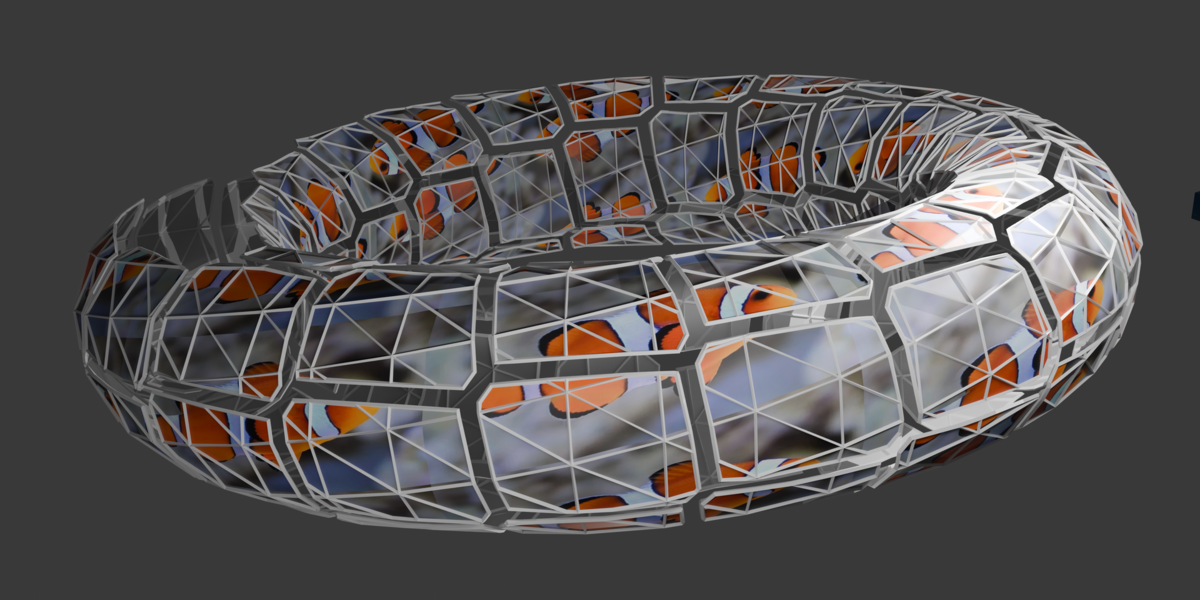
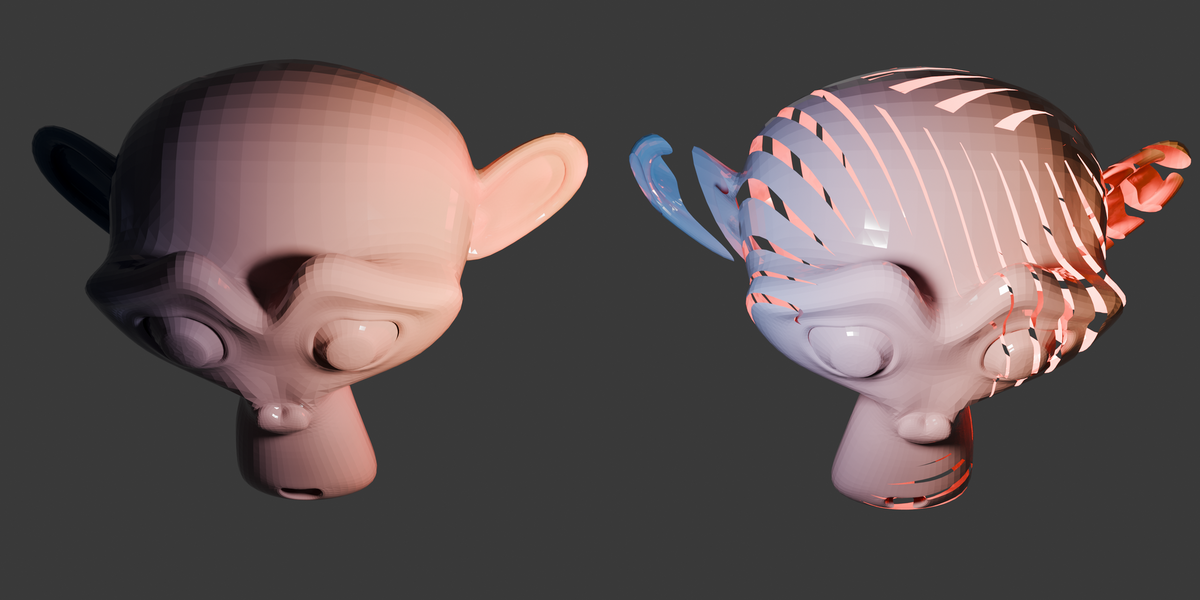
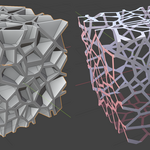
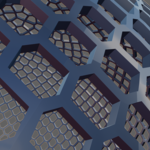
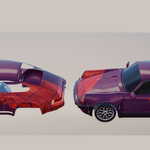
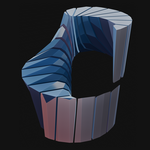
- Multiple Voronoi generation modes. Fracture, Surface Web, Surface Patches, Volume Carving, and Surface Tessellation allow you to create fundamentally different types of geometry — from individual fragments to continuous solid or web-like structures.
- Integration with Blender's modifier stack. The add-on can take into account the results of modifiers (including Geometry Nodes, Boolean, Solidify, and others), both for the source geometry and for objects defining the site distribution.
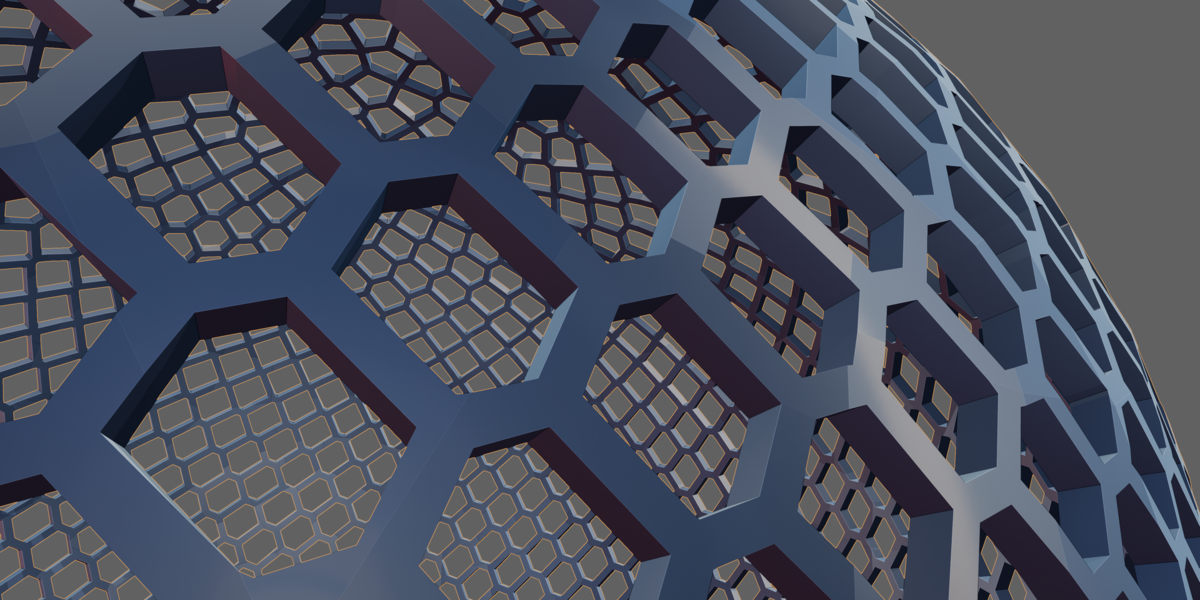
- Control over spacing between cells. The Spacing setting allows you to adjust gaps between elements to create perforated and openwork structures.
- UV map preservation. Transferring the original UV maps to the resulting geometry allows you to continue using existing textures and materials without having to recreate the UV mapping.
- Non-destructive workflow. All calculations are performed using the source data without modifying the original objects. Changes to the source geometry, site placement, or VM parameters can be reflected in the generated result through manual or automatic updates, depending on the selected update settings.
- Sites Filtering. Control which Voronoi cells are included in the result, allowing selective processing and more complex geometric compositions.
Applications:
Voronoi Meshwork can be used in various areas of 3D modeling and digital design.
Architecture — creating decorative facades, openwork panels, spatial lattices, shells, and geometric structures.
Jewelry and product design — developing intricate ornaments, perforated surfaces, decorative inserts, and unusual product shapes.
Illustration and digital art — creating abstract compositions, symmetrical patterns, organic structures, and procedural visual effects.
3D modeling and visual effects — splitting geometry into fragments, creating cellular structures, and preparing objects for further processing.
Compatibility
Blender 3.0 - 5.x
External Dependency
Scientific computing in Python: Scipy
Examples
Before purchasing, you can examine the results generated by Voronoi Meshwork in the following Blender file:.blend
Tested Platforms and Blender Versions
Voronoi Meshwork has been tested on the following configurations:
Windows: Blender 3.0–5.2
Linux: Blender 3.0–5.2
macOS Golden Gate: Blender 5.2 (Apple Silicon, M2 Pro)