 MNC Development


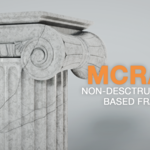
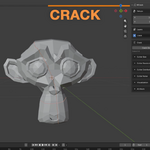
Non-destructive Layer Based Fracture.
Two setups made to be combined.
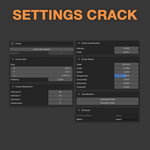
| Crack | Shatters the geometry into islands from a scattered distribution — density, seed and a noise-deformed cutter. Or targets a single island by its id and shatters that one alone. |
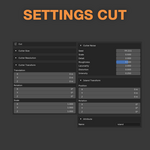
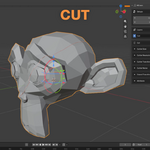
| Cut | Splits the geometry with one placed cutter — its own translation, rotation and scale, its own resolution and its own noise, plus a transform for the island it separates. |
Each setup you add becomes a layer on the object. Add the same setup twice, three times, ten times — every layer keeps its own settings and compounds on the result of the one above it.

Rename a layer in place, reorder it, mute it in the viewport, reset it to the setup defaults, or delete it. Nothing is baked: the mesh stays a live modifier stack you can revisit at any point.
A toggle on a layer row draws that layer's island ids in the viewport, each number sitting at the center of the fragment it belongs to. Read the id, type it into Island id, and that shard is the one that breaks.
Each layer previews its own attribute, so switching the preview from one layer to the next shows a different set of numbers. Positions follow the geometry — change a seed, move the object, and the labels move with it.
Twenty-odd values in one flat column is not a panel, it is a wall. Settings are sorted into collapsible boxes, closed by default, so you open only what you are tuning.
| Cutter Size | Cutter Resolution |
| Cutter Distribution | Cutter Transform |
| Cutter Noise | Island Transform |
| Visualization | Attribute |
Stacked fractures pass their islands from one layer to the next through a named attribute. Two layers writing the same name would collide, so every new layer takes the next free one:
island · island2 · island3
Delete a layer and its number is handed to the next one you add. Type your own name and nothing ever overwrites it.
The cutter seeds are drawn at random on every new layer too — stack a second Crack and you get a different break, not the same one twice.
| CELL FRACTURE | NODE GROUPS BY HAND | WITH MCRACK |
| One run turns the mesh into a set of separate objects | Append the node group, add a modifier, assign it — again for every pass | One click per layer, stacked as deep as you want |
| Fragments arrive as objects named by the operator | Attribute names typed by hand, collisions to keep track of | Numbered per layer, freed numbers reused, yours left alone |
| Click a shard to shatter it further — once it exists as its own object | Which island is number 12? Trial and error | Ids drawn on the fragments themselves |
| A one-shot dialog — retuning means deleting the pieces and running it again | Every socket in one flat list, per modifier | Collapsible boxes, short labels, one panel for the whole stack |
One tab in the 3D viewport sidebar — press N, pick MCrack. The setups to add, the layer stack, and the settings of the layer you are working on, in that order.
Fracture it now, change your mind later.